The Best Pollinators for Your Buddha Belly Plant 🐝
Jatropha podagrica
By the Greg Editorial Team
Nov 08, 2024•6 min read
This article was created with the help of AI so we can cover more plants for you. May contain errors. See one? Report it here.
Unlock the secret to thriving Buddha Belly plants 🌺 by mastering pollination and attracting their essential pollinator friends!
- 🌼 Buddha Belly plants attract bees, butterflies, and hummingbirds for effective pollination.
- 🌱 Self-pollination ensures seed production even without pollinators, enhancing plant resilience.
- 🌍 Creating a pollinator-friendly garden boosts biodiversity and supports thriving ecosystems.
Flower Structure
Description of Characteristics 🌺
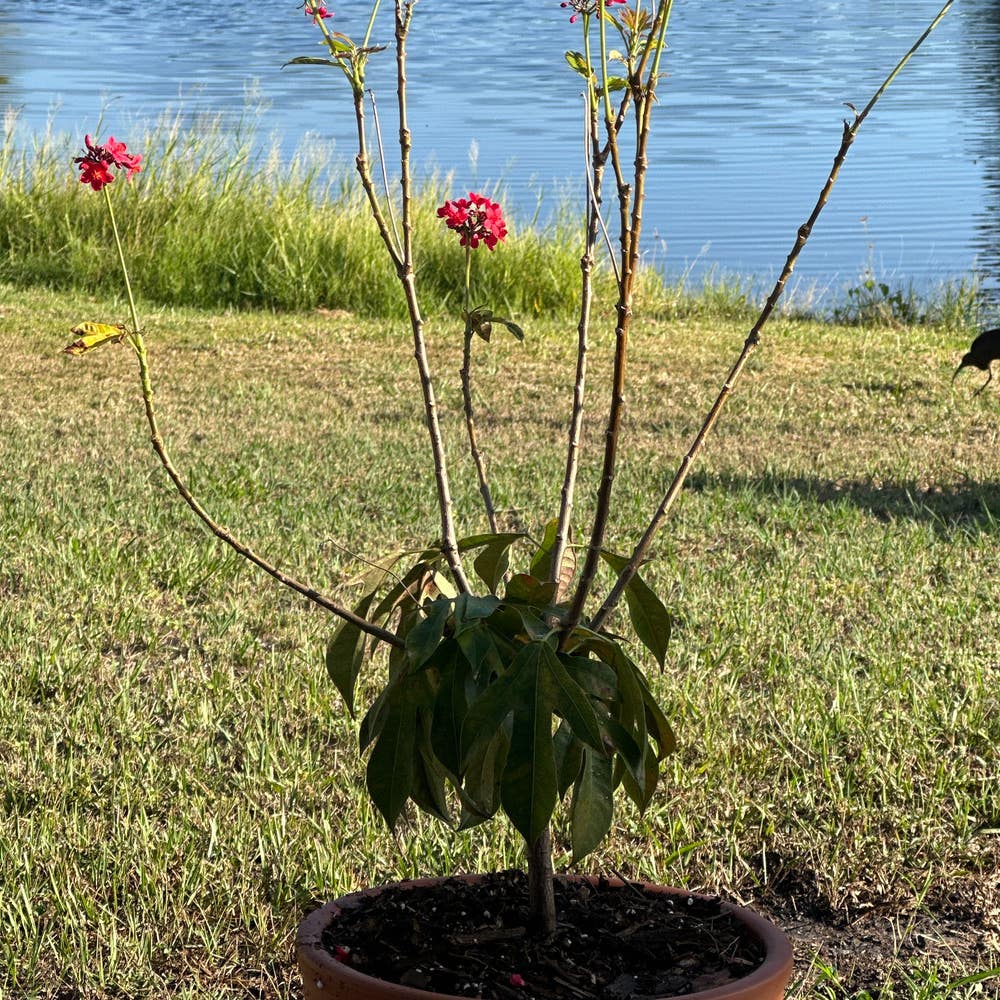
The Buddha Belly plant boasts large, trumpet-shaped blooms that come in a variety of colors, including vibrant yellows, soft pinks, and pure whites. These flowers typically grow in clusters, making them more visible and inviting to pollinators.
Each flower consists of several key components. The brightly colored petals are designed to attract pollinators, while the green, leaf-like sepals protect the flower bud. The male reproductive parts, known as stamens, produce pollen, and the female reproductive parts, called pistils, are responsible for receiving that pollen.
Role in Pollination 🐝
Self-pollination is a fascinating feature of the Buddha Belly plant. The structure of the flower allows pollen to transfer from the stamens to the pistils within the same bloom, ensuring reproduction even without external help.
On the other hand, cross-pollination plays a crucial role in the plant's reproductive success. The flower's design encourages visits from various pollinator species, facilitating pollen transfer between different plants. This process not only enhances genetic diversity but also boosts fruit production, making it vital for the plant's overall health and resilience.
With a solid understanding of the flower's structure and its role in pollination, we can now explore the intricate processes of self and cross-pollination that further support the Buddha Belly plant's growth.
Pollination Process
Self-Pollination 🌼
Self-pollination is a fascinating process where pollen from the same flower fertilizes its own ovule. This mechanism ensures that the plant can reproduce even when pollinators are absent, providing a reliable way to produce seeds.
Cross-Pollination 🐝
Cross-pollination introduces a dynamic element to the pollination process. It relies on various pollinators to transfer pollen between different flowers, enhancing genetic diversity.
Identification of Primary Pollinators
- Bees: These industrious insects are drawn to the bright colors and sweet nectar of the Buddha Belly plant.
- Butterflies: Their attraction to the flower's shape and vibrant hues makes them key players in pollination.
- Hummingbirds: With their affinity for nectar and tubular flower shapes, hummingbirds are essential for effective pollen transfer.
Attraction Mechanisms
The Buddha Belly plant employs several strategies to attract pollinators.
- Scent: Fragrant flowers can lure in a variety of pollinator species, creating a bustling ecosystem around the plant.
- Nectar: The high sugar content in the nectar not only entices pollinators but also encourages them to engage in pollen transfer as they feed.
Understanding these processes is crucial for anyone looking to cultivate a thriving Buddha Belly plant. By appreciating the roles of self and cross-pollination, you can better support these beautiful blooms and their pollinator partners.
Next, we will explore the natural mechanisms of pollen transfer and the importance of pollination in the plant's lifecycle.
Natural Pollination
🌼 Pollen Transfer Mechanisms
Pollination is a fascinating process, primarily driven by animal activity. While wind plays a minimal role, the real magic happens when insects buzz from flower to flower, transferring pollen as they go.
Insects, particularly bees, are the stars of this show. They are attracted to the vibrant colors and sweet nectar of flowers, making them essential for effective pollen transfer.
🐝 Importance of Pollination
Successful pollination is crucial for plant reproduction. It leads to the development of seeds and fruits, ensuring the continuation of plant species.
Moreover, cross-pollination enhances genetic diversity. This genetic variation is vital for plant resilience, helping them adapt to changing environments and resist diseases.
By understanding these mechanisms, we can appreciate the intricate relationships between plants and their pollinators, paving the way for healthier ecosystems.
Hand Pollination Techniques
Hand pollination can be a rewarding way to ensure your Buddha Belly plant thrives, especially when natural pollinators are scarce. Here’s a straightforward guide to help you navigate this process.
Step 1: Identify Male and Female Flower Parts 🌸
First, you need to distinguish between the male and female components of the flower.
- Male: Look for the stamens, which are the slender structures topped with pollen.
- Female: Locate the pistil, found at the center of the flower, which is ready to receive pollen.
Step 2: Collecting Pollen 🧹
Once you've identified the parts, it’s time to gather some pollen.
- Use a small brush or a cotton swab to gently collect pollen from the stamens. This method minimizes damage to the flower while ensuring you have enough pollen for the next step.
Step 3: Transferring Pollen 🔄
Now that you have the pollen, it’s time to transfer it to the female part.
- Carefully apply the collected pollen to the stigma of the pistil. This step is crucial for fertilization and seed production.
Step 4: Timing ⏰
Timing can make a significant difference in the success of hand pollination.
- The best time to perform this task is in the morning when the flowers are fully open and most receptive to pollen. This ensures optimal conditions for pollination.
By following these steps, you can effectively hand pollinate your Buddha Belly plant, boosting its chances of producing seeds and fruit. This technique not only enhances your gardening skills but also deepens your connection with your plants.
Next, let’s explore how to create a pollinator-friendly environment to support these vital creatures.
Supporting Pollinators
🌼 Creating a Pollinator-Friendly Environment
To attract a variety of pollinators, plant a diverse range of flowering species. This diversity not only enhances the beauty of your garden but also ensures that different pollinators find food sources throughout the growing season.
Providing water sources is equally important. Shallow dishes filled with pebbles offer resting spots for thirsty pollinators, making your garden a welcoming oasis.
Avoiding pesticides is crucial for maintaining a healthy ecosystem. Many common pesticides can harm beneficial insects, so opt for natural alternatives whenever possible.
🌱 Suggested Companion Plants
Consider adding marigolds to your garden. Their vibrant blooms attract bees and butterflies, making them excellent companions for your Buddha Belly plant.
Lavender is another fantastic choice. Its fragrant flowers provide nectar for various pollinator species, ensuring your garden buzzes with activity.
Sunflowers are not just striking; their large blooms draw in bees and birds alike. These cheerful giants can significantly enhance your garden's pollinator appeal.
By creating a pollinator-friendly environment and selecting the right companion plants, you can foster a thriving ecosystem that benefits both your Buddha Belly plant and the local pollinator population. This effort not only supports biodiversity but also enriches your gardening experience.
Next, let’s explore the challenges that can arise in the pollination process and how to overcome them.
Pollination Challenges
Common Obstacles 🌪️
Pollination can be hindered by various environmental factors. Extreme temperatures, whether scorching heat or biting cold, can significantly affect flower viability.
Low humidity levels also pose a challenge, as they can deter pollinator activity. Additionally, urban areas often suffer from a lack of natural pollinators, making it harder for plants to reproduce effectively.
Solutions 🌱
Creating a microclimate can help protect your plants. Consider using shade cloths or windbreaks to shield them from harsh conditions.
Increasing plant diversity is another effective strategy. By introducing more flowering plants, you can attract a wider range of pollinators to your garden.
Finally, monitoring environmental conditions is crucial. Adjust your watering and care routines based on seasonal changes to ensure your plants thrive despite challenges.
With these strategies, you can enhance the pollination process and support your Buddha Belly plant's growth. Next, let's explore how to support pollinators in your garden.
⚠️ Safety First
This content is for general information and may contain errors, omissions, or outdated details. It is not medical, veterinary advice, or an endorsement of therapeutic claims.
Always consult a qualified healthcare professional before using any plant as food, medicine, or supplement.
Never eat any plant (or feed one to pets) without confirming its identity with at least two trusted sources.
If you suspect poisoning, call Poison Control (800) 222-1222, the Pet Poison Helpline (800) 213-6680, or your local emergency service immediately.
Spotted an error? Please report it here.
Boost your Buddha Belly plant's health and attract buzzing pollinators 🐝 with Greg's tailored care reminders and expert tips for a flourishing garden ecosystem!