👐 Top 6 Signs Your Buddha's Palm Plant Needs Pollination
Jatropha podagrica
By the Greg Editorial Team
Oct 19, 2024•5 min read
This article was created with the help of AI so we can cover more plants for you. May contain errors. See one? Report it here.
Boost your Buddha's Palm Plant's growth and fruit yield by mastering the art of pollination! 🌱🌼
- 🌼 Buddha's Palm is self-pollinating, but cross-pollination boosts seed production and diversity.
- 🐝 Attract pollinators like bees and butterflies to enhance fruit quality and yield.
- ✋ Hand pollination during peak flowering significantly increases reproductive success.
Self-Pollination vs. Cross-Pollination
🌱 Determining Pollination Type
The Buddha's Palm Plant is primarily self-pollinating, meaning it can produce seeds without needing pollen from another plant. However, it can significantly benefit from cross-pollination, which involves transferring pollen from one plant to another.
Understanding both self-pollination and cross-pollination is crucial for enhancing fruit and seed production. This knowledge empowers gardeners to maximize their plant's reproductive potential.
🌼 Benefits of Pollination
Cross-pollination enhances genetic diversity, leading to stronger and more resilient plants. This diversity can result in improved adaptability to environmental changes.
Moreover, successful pollination directly impacts fruit quality and yield. Plants that undergo effective pollination processes often produce larger, tastier fruits, making the effort worthwhile for any gardener.
In summary, knowing the differences between self-pollination and cross-pollination can lead to healthier plants and bountiful harvests. Next, let’s explore the fascinating structure of the Buddha's Palm Plant's flowers and how they contribute to the pollination process.
Flower Structure
🌼 Description of Flower Characteristics
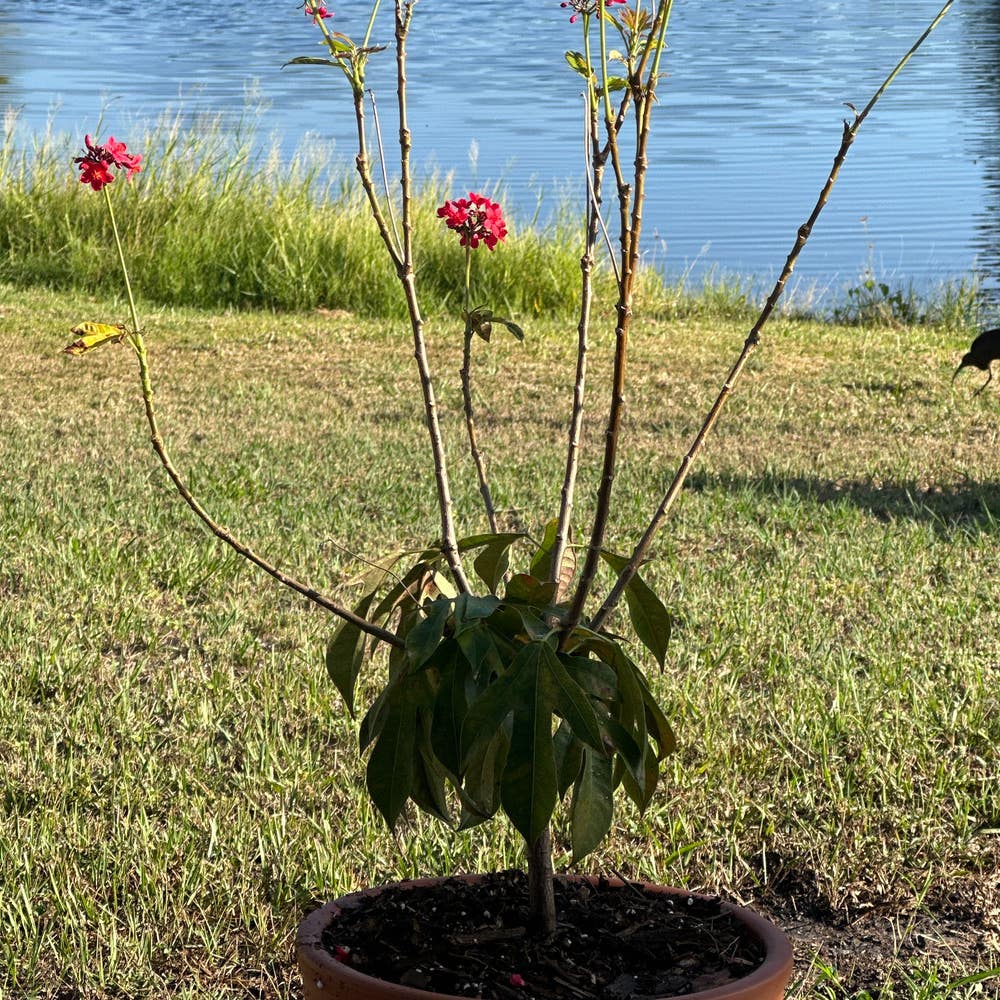
The Buddha's Palm Plant boasts large, showy flowers that are truly a sight to behold. Their unique arrangement, typically in vibrant shades of yellow or orange, serves to attract a variety of pollinators.
These flowers are not just pretty; they are intricately designed. The petals, sepals, stamens, and pistils are structured to facilitate effective pollination, ensuring that the plant can reproduce successfully.
🐝 Role of Flower Structure in Pollination
The design of the Buddha's Palm flower plays a crucial role in its pollination process. Its structure aids in self-pollination while also enticing various pollinator species.
Mechanisms like the positioning of stamens and pistils promote pollen transfer. This enhances reproductive success, allowing the plant to thrive and produce fruit.
Understanding these flower characteristics can help you appreciate the delicate balance of nature and the importance of pollination in the life cycle of the Buddha's Palm Plant.
Next, we’ll explore the pollination process, including how self-pollination works and the key players involved.
Pollination Process
Explanation of Self-Pollination 🌱
The Buddha's Palm Plant is a master of self-pollination, efficiently transferring pollen from its own stamens to pistils. This natural process ensures that even in the absence of external pollinators, the plant can still produce fruit and seeds.
However, embracing cross-pollination can significantly enhance genetic diversity and yield. By allowing pollen from different plants to mingle, you can boost the overall health and productivity of your garden.
Identification of Primary Pollinators 🐝
When it comes to pollination, several key players take center stage. Bees, butterflies, moths, and hummingbirds are the primary pollinators for the Buddha's Palm Plant.
These pollinators not only help in transferring pollen but also contribute to the plant's reproductive success through their specific interactions. For instance, bees are attracted to the vibrant colors and sweet scents, making them essential for effective pollination.
Attracting Pollinators 🌼
To make your Buddha's Palm Plant irresistible to pollinators, consider a few simple strategies. Focus on enhancing flower color, scent, and nectar availability to draw in these beneficial creatures.
Brightly colored flowers and a sweet aroma can create a welcoming environment for pollinators. Ensuring a steady supply of nectar will keep them coming back, ultimately boosting your plant's pollination success.
With these insights, you're well-equipped to foster a thriving ecosystem around your Buddha's Palm Plant. Next, let’s explore the art of hand pollination to further enhance your gardening efforts.
Hand Pollination
Hand pollination can significantly enhance the reproductive success of your Buddha's Palm Plant. Here’s a straightforward guide to ensure your plant thrives.
Step 1: Identify Male and Female Flower Parts 🌸
First, you need to recognize the flower's anatomy. The male parts, known as stamens, produce pollen, while the female parts, called pistils, receive it.
Step 2: Collecting Pollen 🧹
Next, gather the pollen. Use a small brush or a cotton swab to carefully collect pollen from the stamens. This step is crucial for effective pollination.
Step 3: Transferring Pollen 🔄
Now, it’s time to transfer the pollen. Gently apply the collected pollen to the pistils of the same flower or a different one. This action promotes successful fertilization.
Step 4: Timing ⏰
Timing is everything! Perform hand pollination during the peak flowering periods for the best results. This ensures that the flowers are most receptive to pollen.
By following these steps, you can boost the chances of your Buddha's Palm Plant producing fruit and seeds. Hand pollination not only enhances your plant's growth but also deepens your connection to it.
Next, let’s explore the common challenges you might face during the pollination process.
Pollination Challenges
🌼 Common Obstacles to Successful Pollination
Pollination can be tricky for the Buddha's Palm Plant due to several environmental factors. Temperature and humidity play crucial roles; extreme conditions can hinder the delicate process of pollen transfer.
Additionally, a lack of pollinators poses a significant challenge. Habitat loss and pesticide use have diminished the populations of essential pollinators like bees and butterflies, which are vital for effective pollination.
🛠️ Solutions for Overcoming Challenges
To enhance pollination success, consider implementing a few strategies. Creating a pollinator-friendly environment can attract more species to your garden.
Maintaining optimal humidity and temperature is also essential. Regularly monitor these conditions to ensure your Buddha's Palm Plant thrives during its flowering period.
🌦️ Impact of Environmental Factors on Pollination Success
Seasonal variations can significantly affect the pollination process. Changes in weather can influence when flowers bloom and how effectively they attract pollinators.
To adapt, keep a close eye on environmental conditions. Adjust your care routine based on these factors to support your plant's reproductive success.
With the right attention, you can help your Buddha's Palm Plant overcome these challenges and flourish beautifully.
⚠️ Safety First
This content is for general information and may contain errors, omissions, or outdated details. It is not medical, veterinary advice, or an endorsement of therapeutic claims.
Always consult a qualified healthcare professional before using any plant as food, medicine, or supplement.
Never eat any plant (or feed one to pets) without confirming its identity with at least two trusted sources.
If you suspect poisoning, call Poison Control (800) 222-1222, the Pet Poison Helpline (800) 213-6680, or your local emergency service immediately.
Spotted an error? Please report it here.
Boost your Buddha's Palm Plant's pollination success 🌺 with Greg's tailored tips and reminders, ensuring a garden bursting with vibrant fruits and flowers!