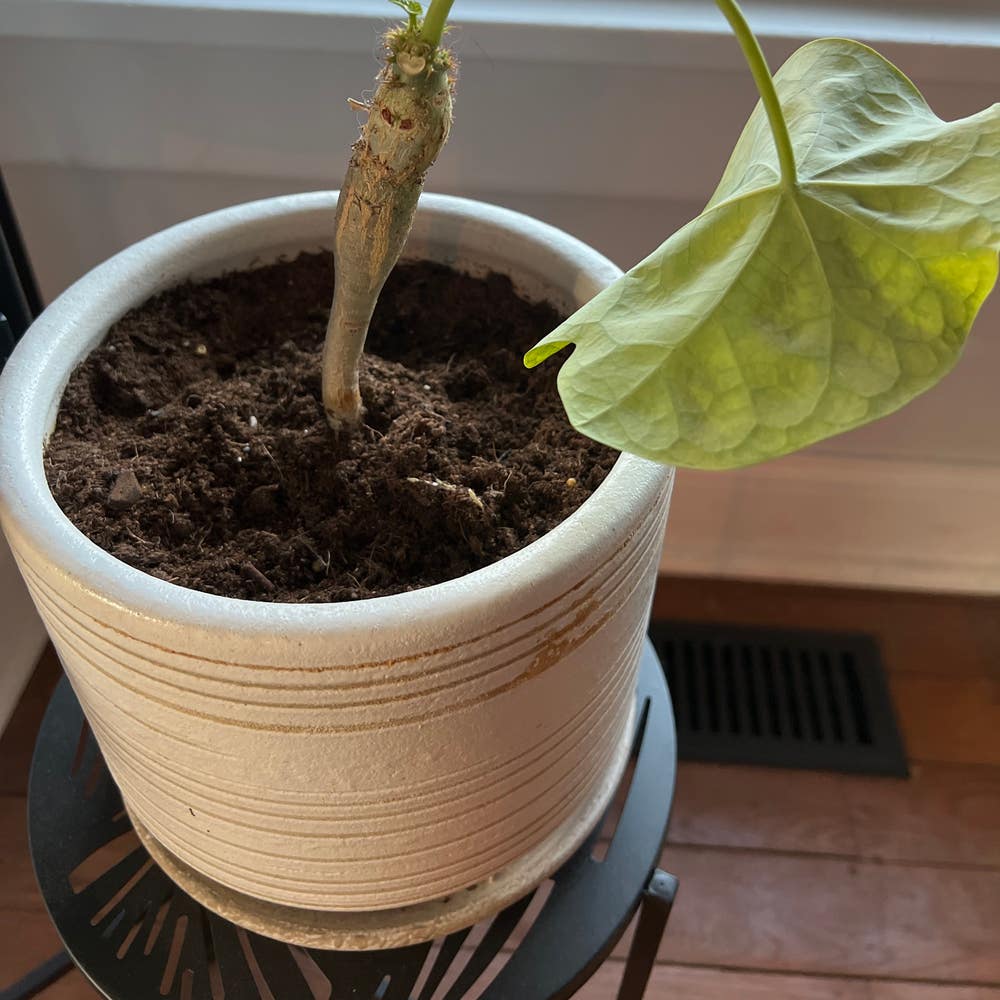
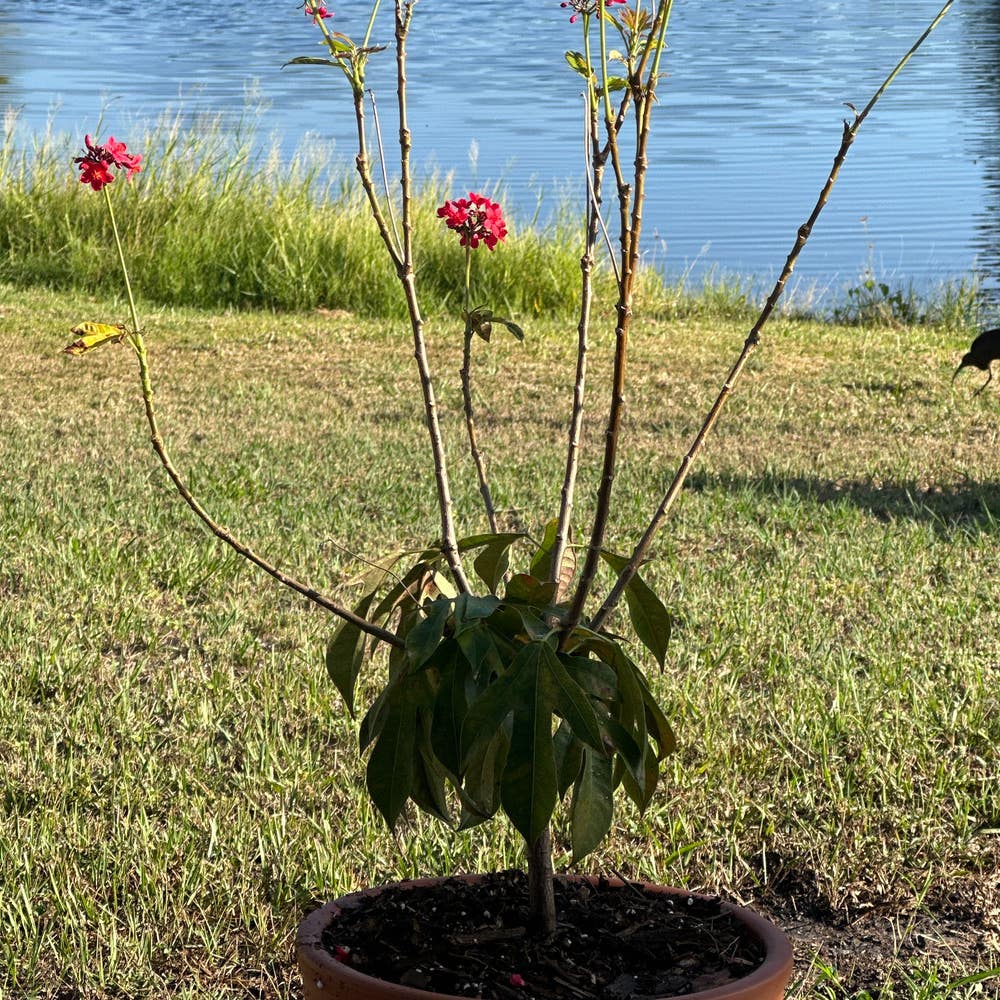
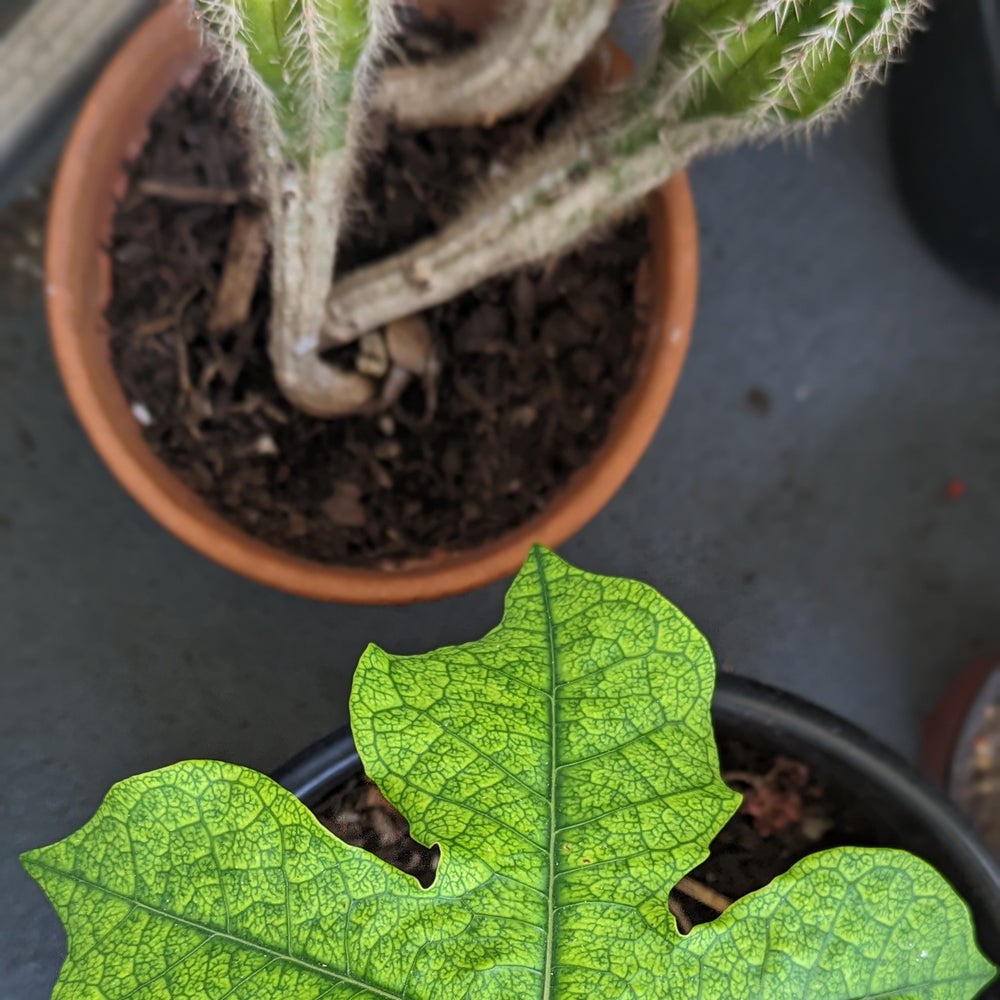
🧘♂️ 4 Key Winter Strategies for Buddha Belly Plant
Jatropha podagrica
By the Greg Editorial Team
Nov 08, 2024•4 min read
This article was created with the help of AI so we can cover more plants for you. May contain errors. See one? Report it here.
Ensure your Buddha Belly Plant survives winter's chill with these vital care tips for thriving growth! 🌱
- ❄️ Protect Buddha Belly Plant from frost; temperatures below 50°F can harm it.
- 💧 Water less in winter; every 2-4 weeks prevents root rot.
- 🌞 Ensure 6-8 hours of light daily; adjust placement for optimal sunlight.
Winter Care Strategies
🥶 Protecting from Frost
The Buddha Belly Plant is sensitive to temperatures below 50°F (10°C), making frost protection essential. To safeguard your plant, consider using frost cloths or blankets during particularly cold nights.
Relocating potted plants indoors or to sheltered areas can also provide much-needed warmth. Additionally, mulching around the base helps insulate the roots, keeping them cozy.
Stay proactive by monitoring local weather forecasts for frost warnings. This way, you can act quickly to protect your plant when temperatures drop unexpectedly.
💧 Adjusting Watering Schedules
During winter, it's crucial to reduce watering to prevent root rot while the plant is dormant. Allow the soil to dry out between waterings, which helps manage moisture levels effectively.
Aim to water every 2-4 weeks, adjusting based on your indoor humidity and temperature. Watch for signs of overwatering, such as yellowing leaves and mushy stems, or underwatering, indicated by wrinkled stems and leaf drop.
🌱 Modifying Fertilizing Practices
As your Buddha Belly Plant enters dormancy, it's time to cut back on fertilization. This prevents nutrient buildup in inactive roots, ensuring your plant stays healthy.
During winter months, refrain from fertilizing altogether. You can resume a monthly fertilization schedule in early spring when growth picks up again, giving your plant the boost it needs to thrive.
By following these winter care strategies, you'll set your Buddha Belly Plant up for success as it navigates the colder months. Next, let’s explore the best indoor conditions to keep your plant happy and healthy.
Indoor Winter Care
Best Indoor Conditions 🌡️
Creating the right indoor environment for your Buddha Belly plant is crucial during winter. Aim for a temperature range between 60°F to 75°F (15°C to 24°C) to keep your plant thriving.
Humidity is another key factor. Maintaining moderate humidity levels helps prevent stress on the plant, especially in dry winter air.
Good air circulation is essential too. Ensure there’s airflow around your plant to prevent mold growth, which can be a common issue in indoor settings.
Light Requirements 💡
Your Buddha Belly plant craves bright, indirect sunlight for 6-8 hours daily. This light exposure is vital for its health, but be cautious—direct sunlight can scorch those delicate leaves.
As winter days grow shorter, consider adjusting your plant's placement. Moving it closer to windows can help maximize light intake, ensuring it gets the energy it needs to stay vibrant.
By providing the right indoor conditions and light, you set the stage for a healthy winter for your Buddha Belly plant. With these strategies in place, your plant will be well-prepared for the upcoming spring growth.
Spring Preparation
Signs of Recovery from Winter Damage 🌱
As winter fades, your Buddha Belly Plant will start showing signs of life. Look for new leaf growth and firm stems, which indicate a return to health.
Keep an eye out for any signs of stress, such as wilting or discoloration. Remember, patience is key; recovery can take time, so give your plant the care it needs to bounce back.
Preparing for Spring Growth 🌼
To prepare your plant for the growing season, start by gradually increasing watering as temperatures rise. This helps your plant adjust to the warmer conditions without overwhelming it.
Next, reassess the light conditions in your home. You may need to adjust your plant's placement to ensure it receives adequate sunlight.
Finally, think about fertilization. Resume feeding your plant with a balanced fertilizer once spring arrives, ensuring it's the right type for optimal growth. This will set the stage for a vibrant growing season ahead.
Common Winter Problems and Solutions
🥶 Identifying and Addressing Frost Damage
Frost can be a sneaky enemy for your Buddha Belly plant. Look out for signs like brown, crispy leaf edges or stems, which indicate frost damage, and an overall wilting appearance that suggests your plant is struggling.
To help your plant recover, start by pruning any damaged areas. This encourages new growth and helps the plant redirect its energy. Providing optimal care, such as maintaining proper humidity and temperature, will further support recovery.
💧 Managing Overwatering or Underwatering
Watering issues can plague your plant during winter. Overwatering often leads to root rot and mushy stems, while underwatering results in leaf drop and shriveled stems. Recognizing these symptoms early is crucial for your plant's health.
To address these issues, adjust your watering frequency based on the environmental conditions. Ensure your pots have proper drainage to prevent waterlogging, which can exacerbate root problems. Keeping a close eye on your plant's needs will help you maintain its vitality through the colder months.
With these strategies in mind, you're well-equipped to tackle common winter challenges. Next, let’s explore how to prepare your Buddha Belly plant for the vibrant growth of spring.
⚠️ Safety First
This content is for general information and may contain errors, omissions, or outdated details. It is not medical, veterinary advice, or an endorsement of therapeutic claims.
Always consult a qualified healthcare professional before using any plant as food, medicine, or supplement.
Never eat any plant (or feed one to pets) without confirming its identity with at least two trusted sources.
If you suspect poisoning, call Poison Control (800) 222-1222, the Pet Poison Helpline (800) 213-6680, or your local emergency service immediately.
Spotted an error? Please report it here.
Keep your Buddha Belly Plant thriving this winter ❄️ by using Greg for tailored watering reminders and frost protection tips that ensure it flourishes all season long!