What Do I Do About Buddha Belly Plant Root Rot?
Jatropha podagrica
By the Greg Editorial Team
Jun 18, 2024•4 min read
This article was created with the help of AI so we can cover more plants for you. May contain errors. See one? Report it here.
Rescue your Buddha Belly Plant 🌿 from the perils of root rot with our life-saving treatment tips!
- Yellow leaves and mushy roots signal potential root rot.
- Immediate action: Stop watering, prune damaged roots, use fungicides.
- Prevent root rot with proper soil, watering, and pot drainage.
Spotting the Red Flags: Recognizing Root Rot in Your Buddha Belly Plant
🚩 Visual Symptoms and What They Mean
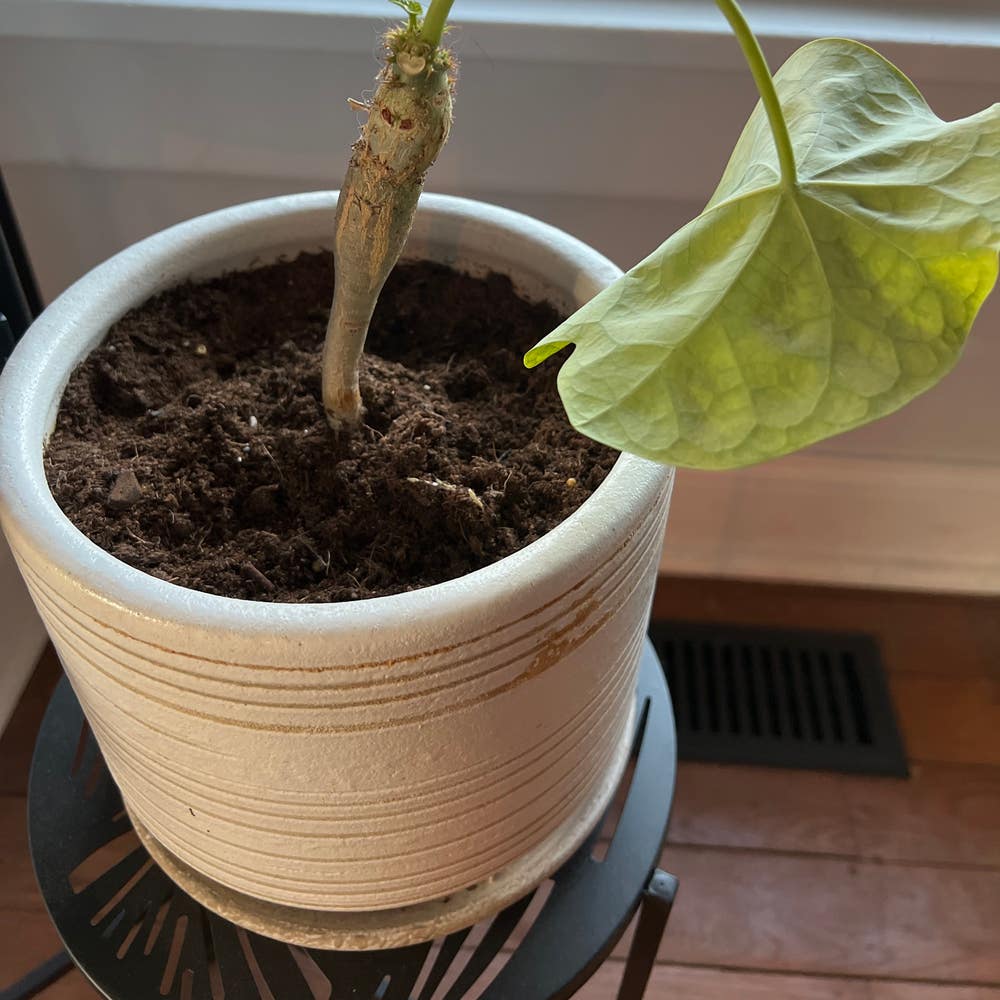
Yellowing leaves and wilting are your Buddha Belly Plant's SOS signal. These symptoms suggest distress, potentially from root rot. Mushy roots and a foul odor from the soil are the plant's equivalent of a red flag at the beach—time to get out of the water.
🕵️ The Root Inspection: How to Confirm Your Suspicions
Gently remove your plant from its pot to inspect the roots. Healthy roots are firm and light-colored, while rotting ones are dark, soft, and possibly slimy. A foul odor is the dead giveaway—root rot's signature scent. Be sure to differentiate from pests or nutrient issues; spider mites and mealybugs don't turn roots into mush, they just make the leaves their buffet.

The Rescue Operation: Treating Root Rot in Buddha Belly Plant
🚑 The First Aid: Immediate Steps to Take
Stop watering immediately. Your Buddha Belly Plant is not in the mood for a drink. Gently lift the plant from its pot and say goodbye to the soggy soil. Inspect the roots; healthy ones are firm and light-colored, while the rotten ones are the party poopers—dark, mushy, and slimy.
Rinse the roots with room-temperature water to evict any lurking fungus. Sterilize your pruning shears with rubbing alcohol—because surgery on the roots requires clean cuts. Snip away the bad vibes, aka the rotted roots, until you're left with the good guys. A dip in fungicide is like sending the roots to a spa, ensuring they're ready for their comeback.
💪 The Comeback: Encouraging Recovery
Choose a well-draining soil mix and a clean pot with drainage holes that don't mess around. Repotting is like a second chance at life for your Buddha Belly Plant, so make it count.
When to water again? Wait until the topsoil feels like a dry joke—crumbly and ready for some moisture. Water thoroughly to settle the roots in, but don't drown them in your enthusiasm. It's a delicate balance, like not overdoing the wasabi on your sushi.

Cutting Out the Rot: Pruning and Fungicides
🌱 Pruning Away the Damage
Pruning isn't just a haircut for your Buddha Belly Plant; it's emergency surgery. Snip away the soggy, rotten roots with sterilized shears—precision is key. Sterilization is non-negotiable; it's like washing your hands in a pandemic.
🍄 Fungicide Use: When and How
Fungicides are the plant's last line of defense, not a go-to for every sniffle. Use them as a spot treatment for the freshly pruned roots to prevent further infection. If you're not keen on chemicals, natural alternatives like cinnamon or chamomile tea can be surprisingly effective. But remember, timing is crucial—apply right after pruning for maximum effect.

Keeping Root Rot at Bay: Prevention Strategies
💧 Watering Wisely: Best Practices
Watering is a delicate art when it comes to Buddha Belly Plants. Overzealous hydration is a one-way ticket to root rot city. Check the soil's moisture by feeling the top inch—if it's dry, it's time to water. Remember, your plant prefers a sip over a soak.
🕳️ The Role of Drainage Holes
Drainage holes are the unsung heroes in the fight against root rot. They're your plant's safety net, ensuring excess water has an escape route. Test soil moisture with your finger or a moisture meter to avoid guesswork.
🌱 Soil and Environmental Harmony
Soil selection is critical. Aim for a mix that's the life of the party—light, airy, and just the right amount of clingy. Mix in perlite or coarse sand to hit that sweet spot of moisture retention and drainage.
🍂 Adjusting Care with the Seasons
Your Buddha Belly Plant's needs change with the seasons. Dial back the watering in the cooler months when growth slows down. It's not just about quantity, but also the timing of your watering routine.
💦 Maintaining Suitable Humidity Levels
Humidity can be a friend or foe. Too much, and you're in a swamp; too little, and it's a desert. Aim for that Goldilocks zone where your plant is not just surviving, but thriving. Use a hygrometer to keep tabs on the humidity levels.
🧼 The Importance of Cleanliness
Keep it clean—sanitize pots and tools like you're prepping for surgery. This isn't just about aesthetics; it's about keeping those root rot pathogens at bay. A clean plant environment is a happy plant environment.
🌬️ Isolation and Airflow
Give your Buddha Belly Plant some personal space. Isolation from other plants, especially those with different watering needs, can prevent a watering mishap. And don't forget about airflow—a good breeze keeps the roots breathing and discourages unwanted moisture buildup.
⚠️ Safety First
This content is for general information and may contain errors, omissions, or outdated details. It is not medical, veterinary advice, or an endorsement of therapeutic claims.
Always consult a qualified healthcare professional before using any plant as food, medicine, or supplement.
Never eat any plant (or feed one to pets) without confirming its identity with at least two trusted sources.
If you suspect poisoning, call Poison Control (800) 222-1222, the Pet Poison Helpline (800) 213-6680, or your local emergency service immediately.
Spotted an error? Please report it here.
Prevent Buddha Belly Plant root rot by staying vigilant for yellowing leaves and thrive 🌱 with Greg's custom care reminders, ensuring your plant never drowns in distress.