🌿 Buddha Belly Plant Is Not an Annual
Jatropha podagrica
By the Greg Editorial Team
Nov 08, 2024•6 min read
This article was created with the help of AI so we can cover more plants for you. May contain errors. See one? Report it here.
Unlock the secrets to thriving Buddha Belly Plants 🌱 and enjoy a vibrant, perennial garden for years to come!
- 🌱 Buddha Belly Plant is a perennial, thriving for years, unlike short-lived annuals.
- 💧 Its swollen stem stores water, making it resilient in dry conditions.
- 🌼 Vibrant flowers attract pollinators, enhancing its reproductive success and garden appeal.
Buddha Belly Plant Characteristics
🌱 Genetic Traits
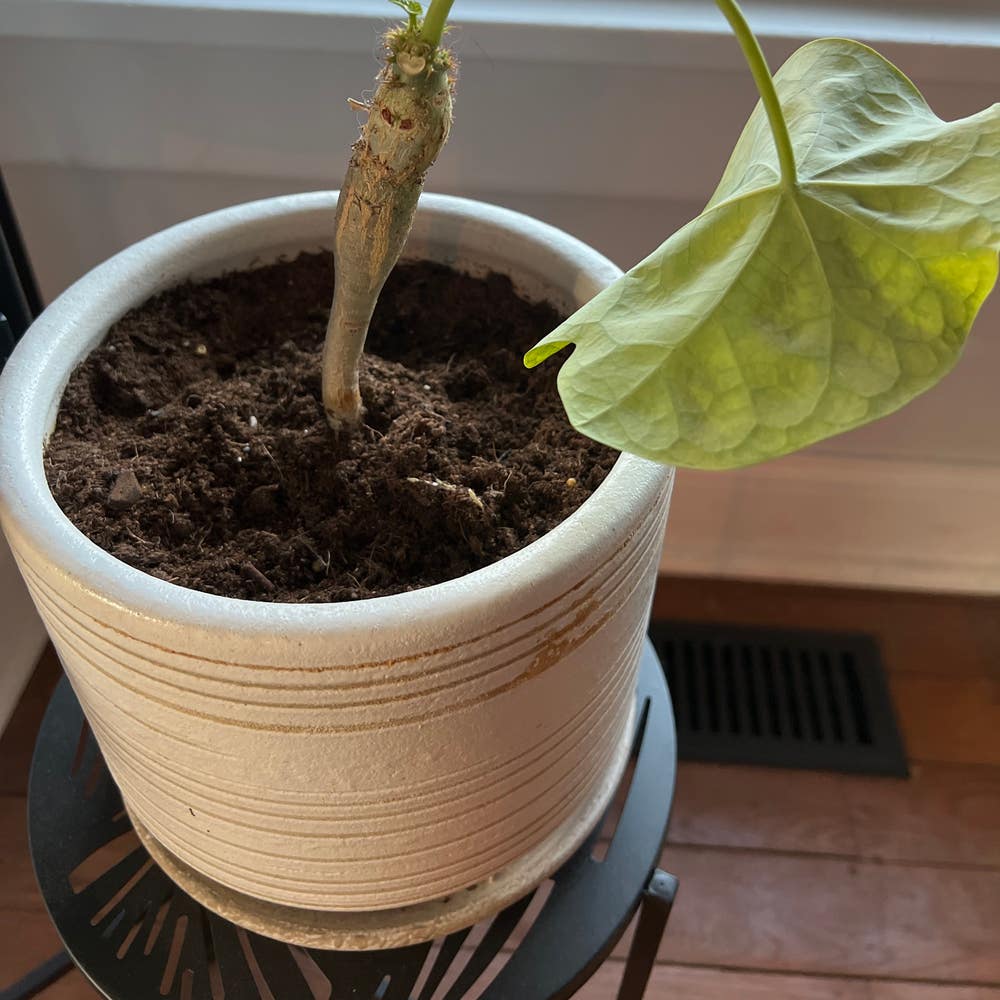
The Buddha Belly Plant is renowned for its unique swollen stem structure, which serves as an adaptation for water storage. This remarkable feature allows the plant to survive in dry conditions, making it a resilient choice for gardeners.
Additionally, its genetic resilience enables it to regenerate and thrive across various environments. This adaptability is a key reason why the Buddha Belly Plant is classified as a perennial rather than an annual.
🌼 Physiological Traits Contributing to Its Perennial Nature
The growth habit of the Buddha Belly Plant is robust, supporting long-term growth and stability. Its swollen stems not only store water but also promote longevity by allowing the plant to withstand periods of drought.
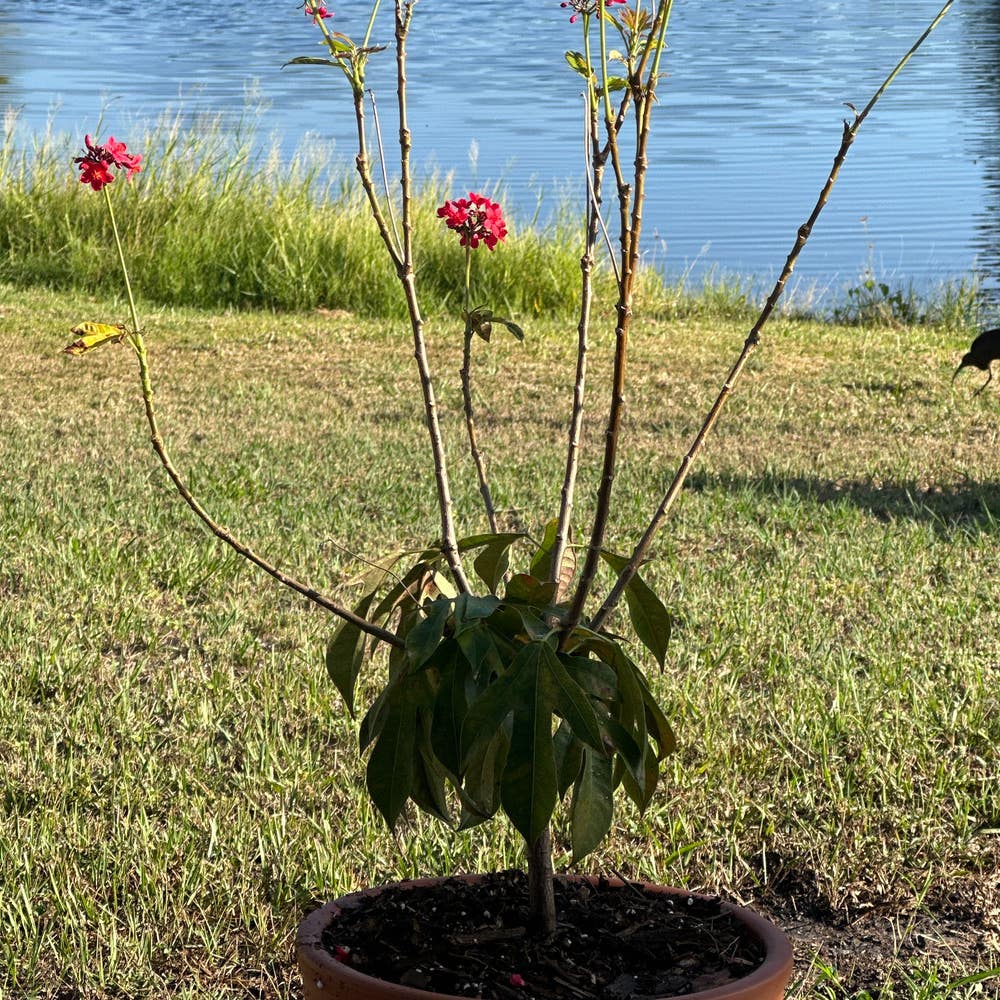
Moreover, the plant produces vibrant, tubular flowers that attract pollinators. This enhances its reproductive success, ensuring that it can continue to thrive year after year.
🔄 Long-Term Lifecycle and Growth Patterns
The lifecycle of the Buddha Belly Plant is continuous, spanning multiple seasons with distinct periods of dormancy. This means that while it may slow down during cooler months, it is always preparing for the next growth cycle.
As it develops, the plant showcases foliage and flowers in cycles, adapting seamlessly to seasonal changes. Unlike annuals that complete their lifecycle in one season, the Buddha Belly Plant can live for many years, making it a valuable addition to any garden.
This longevity not only enriches the garden's aesthetic but also provides a sense of continuity and connection to nature. As we explore its lifecycle further, we can appreciate the unique characteristics that make the Buddha Belly Plant a perennial favorite.
Lifecycle Comparison
🌱 Lifecycle Stages
The Buddha Belly Plant undergoes several distinct stages throughout its lifecycle. These include germination, vegetative growth, flowering, and seed production.
During the warm months, the plant experiences active growth, while it enters a period of dormancy in cooler conditions. This seasonal behavior allows it to conserve energy and resources.
📊 Comparison with True Annual Plants
Unlike true annual plants, which complete their lifecycle in just one season, the Buddha Belly Plant is a perennial that can thrive for many years. This longevity allows it to establish a more robust presence in the garden.
Annuals often prioritize rapid reproduction to ensure their survival, while the Buddha Belly Plant focuses on sustained growth and regeneration. This strategy enhances its resilience and adaptability.
🌼 Implications of Lifecycle on Flowering and Seed Production
One of the most fascinating aspects of the Buddha Belly Plant is its ability to flower multiple times throughout its life. This frequent flowering not only adds beauty to the garden but also attracts various pollinators.
In terms of seed production, the Buddha Belly Plant can produce seeds over several years. In contrast, annuals typically produce seeds only once per season, making the Buddha Belly Plant a more prolific contributor to its ecosystem.
Understanding these lifecycle dynamics can help gardeners appreciate the unique qualities of the Buddha Belly Plant and its role in their gardens. As we explore gardening implications next, we’ll see how these traits can be leveraged for long-term success.
Regional Variations and Misconceptions
🌡️ Conditions Leading to Annual Treatment
In cooler climates, the Buddha Belly Plant often struggles to survive winter. This can lead gardeners to treat it as an annual, replanting each season instead of allowing it to thrive as a perennial.
Container gardening can also impact its longevity. Limited root space in pots may restrict growth, making it more vulnerable to environmental stressors.
🌍 Exceptions in Different Climates
The Buddha Belly Plant flourishes in tropical zones, where warm temperatures and ample sunlight create ideal growing conditions. However, it can falter in temperate regions, requiring extra care to maintain its perennial status.
Adaptation strategies are crucial for success in non-native environments. Gardeners may need to provide additional warmth or protection to help the plant survive seasonal changes.
❓ Common Misconceptions
Many gardeners mistakenly assume the Buddha Belly Plant behaves like an annual due to its appearance. This misunderstanding can lead to premature replanting and a lack of appreciation for its true perennial nature.
Confusion with similar plants is another common issue. Other species may share characteristics, leading to incorrect classification and care practices that don't align with the Buddha Belly Plant's needs.
Understanding these regional variations and misconceptions is vital for successful cultivation. By recognizing its true nature, gardeners can better appreciate the beauty and resilience of the Buddha Belly Plant.
As we explore the gardening implications next, we’ll discuss how to maximize its potential in your garden.
Gardening Implications
🌱 Advantages of Planting as a Perennial
Planting the Buddha Belly Plant as a perennial is a smart long-term investment. Once established, it requires less frequent replanting, allowing you to enjoy its beauty without the hassle of annual replacements.
This plant also offers aesthetic appeal, providing consistent blooms and lush foliage year after year. Its unique appearance can enhance any garden space, making it a standout feature.
🌼 Tips for Incorporating into Garden Design
When designing your garden, consider the placement of the Buddha Belly Plant. It thrives in tropical gardens, works well in borders, and can serve as a stunning focal point in container arrangements.
Additionally, companion planting can enhance its growth. Pair it with other tropical plants that thrive in similar conditions to create a vibrant, cohesive garden environment.
🌳 Strategies for Maximizing Longevity
To ensure the longevity of your Buddha Belly Plant, pay attention to soil requirements. It thrives in well-draining soil, which helps prevent root rot and promotes healthy growth.
Watering practices are also crucial. Aim for regular but moderate watering to support growth without over-saturation. This balance will help your plant flourish for years to come.
Incorporating these gardening implications will not only enhance your garden's beauty but also ensure the health and longevity of your Buddha Belly Plant. As you cultivate this perennial, you'll find joy in its resilience and charm, making your gardening experience all the more rewarding.
Management Tips for Perennial Care
🌱 Best Practices for Managing as a Perennial
To keep your Buddha Belly Plant thriving, regular pruning is essential. Remove any dead or damaged leaves to encourage healthy growth and maintain its aesthetic appeal.
Fertilization plays a crucial role in its vitality. During the growing season, use balanced fertilizers to provide the necessary nutrients for robust development.
🌼 Seasonal Considerations for Growth and Flowering
Spring is the perfect time to give your plant some extra love. Fertilize and prune to stimulate new growth and prepare it for the blooming season ahead.
As fall approaches, adjust your care routine. Reduce watering and prepare your plant for dormancy, ensuring it can withstand the cooler months.
🌿 Techniques to Enhance Health and Longevity
Pest management is vital for a healthy Buddha Belly Plant. Regularly inspect for pests and diseases, opting for organic methods whenever possible to keep your plant safe.
Environmental adjustments can significantly impact its health. Ensure your plant receives adequate sunlight and protection from extreme weather conditions to promote longevity and resilience.
With these management tips, your Buddha Belly Plant can flourish as a perennial, bringing beauty and life to your garden for years to come. Next, let’s explore the advantages of planting this unique species as a perennial.
⚠️ Safety First
This content is for general information and may contain errors, omissions, or outdated details. It is not medical, veterinary advice, or an endorsement of therapeutic claims.
Always consult a qualified healthcare professional before using any plant as food, medicine, or supplement.
Never eat any plant (or feed one to pets) without confirming its identity with at least two trusted sources.
If you suspect poisoning, call Poison Control (800) 222-1222, the Pet Poison Helpline (800) 213-6680, or your local emergency service immediately.
Spotted an error? Please report it here.
Embrace the perennial beauty of the Buddha Belly Plant 🌿 by using Greg's tailored care tips and reminders to help it thrive season after season!