Light Requirements For My Buddha Belly Plant by Season
Jatropha podagrica
By the Greg Editorial Team
Jun 18, 2024•5 min read
This article was created with the help of AI so we can cover more plants for you. May contain errors. See one? Report it here.
Master the art of seasonal light shifts to keep your Buddha Belly Plant flourishing all year. 🌞🔄🌿
- 6-8 hours of sunlight daily for Buddha Belly plants, with morning sun preferred.
- Adjust light seasonally; shade in summer, south-facing in winter.
- Indoors, use east/west window or grow lights for balanced exposure.
Soaking Up the Sun: Outdoor Light Love for Your Buddha Belly
🌞 Spring and Summer Care
Embrace the longer days with your Buddha Belly Plant. It thrives in full to partial sun, soaking up 6 to 8 hours of sunlight daily. Position it to bask in the morning sun, avoiding the more intense afternoon rays to prevent leaf scorch.
🛡️ Shielding from the scorch: Preventing sunburn during peak hours.
Sunburn isn't just a human problem; your Buddha Belly can suffer too. During the hottest part of the day, ensure some shade is available. A strategically placed umbrella or a sheer curtain can act as a sunscreen for your plant.
🌬️ Fall and Winter Watchfulness
As days shorten, your Buddha Belly's light needs adjust. It's all about location—find a spot that still catches those precious rays. Less light is natural, but you don't want your plant to miss out entirely.
🛌 Prepping for dormancy: Understanding your plant's rest period.
Winter is naptime for your Buddha Belly. It enters dormancy, slowing down and requiring less light. This is the time to reduce watering but keep an eye on the light—too little, and your plant might not wake up come spring.

Basking Indoors: Finding the Perfect Indoor Spot
💡 Year-Round Indoor Light Basics
Direction matters when placing your Buddha Belly plant indoors. An east or west-facing window is your goldilocks zone, offering a balance of morning or evening sun without the harsh midday glare.
Too close for comfort? Keep your Buddha Belly a few feet away from the window to avoid the plant equivalent of a sunburn.
💡 Grow Lights: The Indoor Sun Substitute
Wondering if your Buddha Belly is craving more light? If it's stretching like a cat in the sun or looking a bit pale, it might be time for a grow light.
When choosing a grow light, look for full-spectrum bulbs. They're the Swiss Army knife of the grow light world, providing all the wavelengths your plant could ask for. Position them close, but not too close—think two to four inches away from your plant to mimic that sweet spot of sunlight without the sizzle.

Seasonal Shifts: Tweaking Light as Seasons Change
💡 Recognizing the Need for Light Adjustment
Your Buddha Belly plant's leaves are the best informants when it comes to its light needs. If they start to droop or turn yellow, it's a clear signal that your plant is craving more sunshine. Conversely, leaves that look bleached or have brown, crispy edges are sending an SOS for less light.
💡 Indoor Light Adjustment Tips
Rotate your plant periodically to ensure even light exposure. This prevents your Buddha Belly from becoming the Leaning Tower of Pisa in its quest for light. If you're using grow lights, adjust the height and duration to mimic the changing outdoor light conditions.
💡 Outdoor Light Adjustment Strategies
As seasons change, so should your plant's outdoor spot. Transition it gradually to avoid shock. In the scorching summer, seek dappled shade to protect it from midday sunburn. In winter, a south-facing spot can give it the warmth and light it craves.
💡 Monitoring and Adapting
Keep a vigilant eye on your plant as the seasons shift. It's not just about quantity of light, but quality. Your Buddha Belly doesn't need a tan; it needs the right kind of light to thrive. Be ready to shuffle its position to prevent a summer scorch or a winter wither.

Does Your Buddha Belly Want to Bloom?
🌼 The Role of Light in Flowering
Bright, indirect sunlight is the secret ingredient for those hoping to see their Buddha Belly plant bloom. Much like a plant's version of a sunbath, the right light conditions can coax out those elusive flowers. But beware, direct sunlight is a no-no—it's the equivalent of overcooking your plant.
🌸 Setting the Stage for Blooming
To set the stage for flowering, ensure your Buddha Belly is basking in the perfect light. Think of it as finding the plant's sweet spot: a place where it can soak up the sun without getting a sunburn. If indoors, a window that offers bright, filtered light is ideal. Grow lights can be the understudy for natural sunlight if your indoor setting falls short.
🌺 Recognizing Flowering Readiness
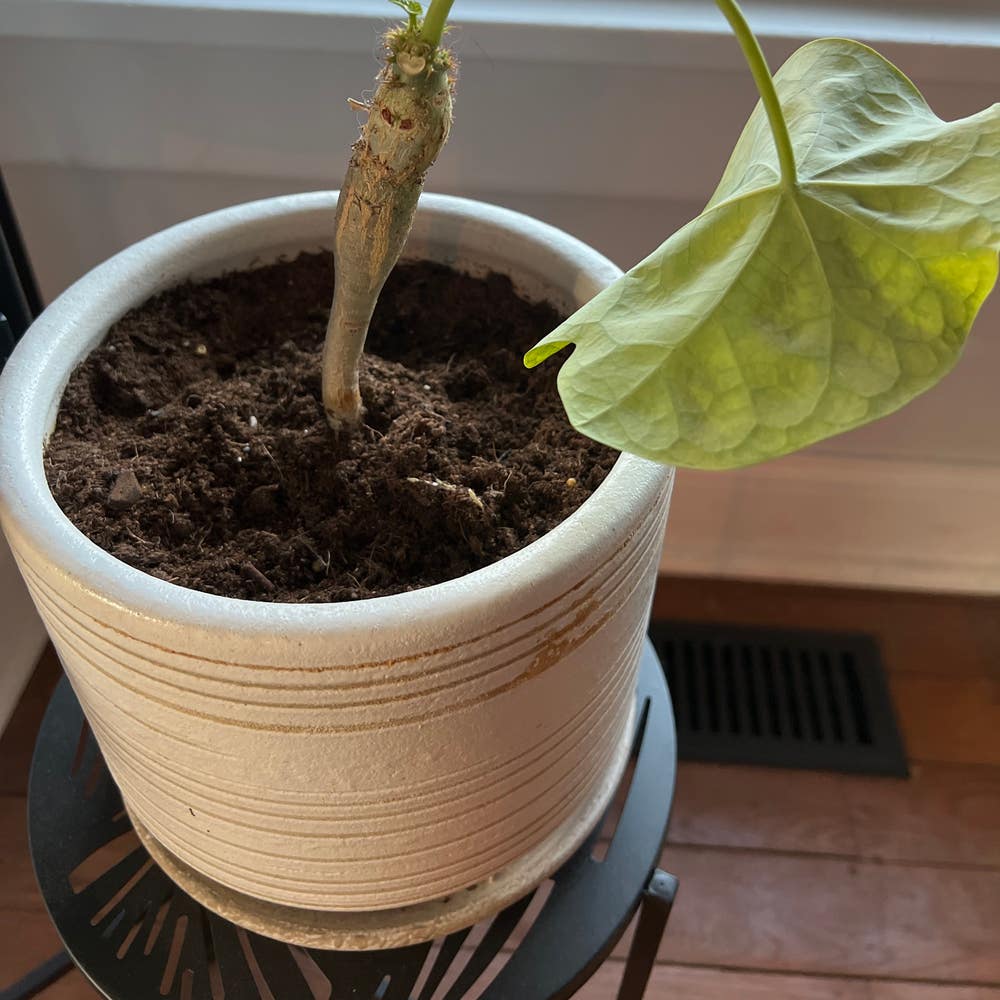
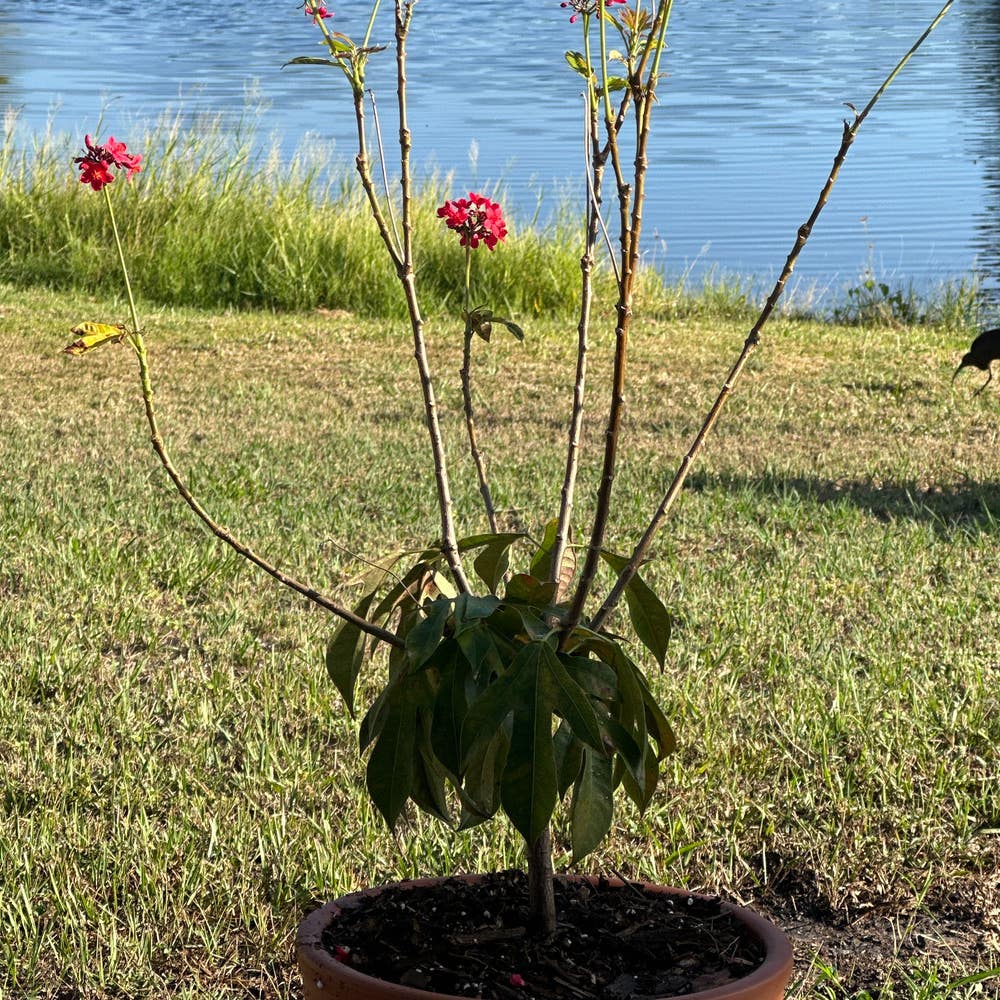
Your plant will drop some hints when it's ready to bloom. Look for healthy growth and a stem that's starting to resemble a small tree. If your Buddha Belly is more belly than Buddha, it might need more light. Remember, patience is key—like waiting for a perfectly aged wine, flowering can't be rushed.
🌻 Quick Tips for Encouraging Blooms
- Ensure your plant receives consistent, bright indirect light.
- Avoid the temptation to give it a full blast of midday sun.
- Consider a grow light if your indoor space lacks sufficient natural light.
- Watch for signs of a happy plant: robust growth and a stem that's thickening up.
- Remember, it's not just about light—regular watering and well-draining soil are also part of the blooming equation.
⚠️ Safety First
This content is for general information and may contain errors, omissions, or outdated details. It is not medical, veterinary advice, or an endorsement of therapeutic claims.
Always consult a qualified healthcare professional before using any plant as food, medicine, or supplement.
Never eat any plant (or feed one to pets) without confirming its identity with at least two trusted sources.
If you suspect poisoning, call Poison Control (800) 222-1222, the Pet Poison Helpline (800) 213-6680, or your local emergency service immediately.
Spotted an error? Please report it here.
Ensure your Buddha Belly plant thrives 🌞 through the seasons with Greg's PlantVision, which helps you monitor and adjust its light exposure for optimal growth.