🖐 What Does It Mean When Buddha Belly Plant Blooms?
Jatropha podagrica
By the Greg Editorial Team
Jun 18, 2024•4 min read
This article was created with the help of AI so we can cover more plants for you. May contain errors. See one? Report it here.
Witness your Buddha Belly Plant's peak health through its rare, joyful bloom! 🌟🌼
- 🌸 Blooms signify maturity and health, reflecting years of growth.
- Bright, indirect light and moderate humidity are key to triggering blooms.
- Strategic pruning and care maintain blooming potential post-flower cycle.
When and Why Buddha Belly Plants Bloom
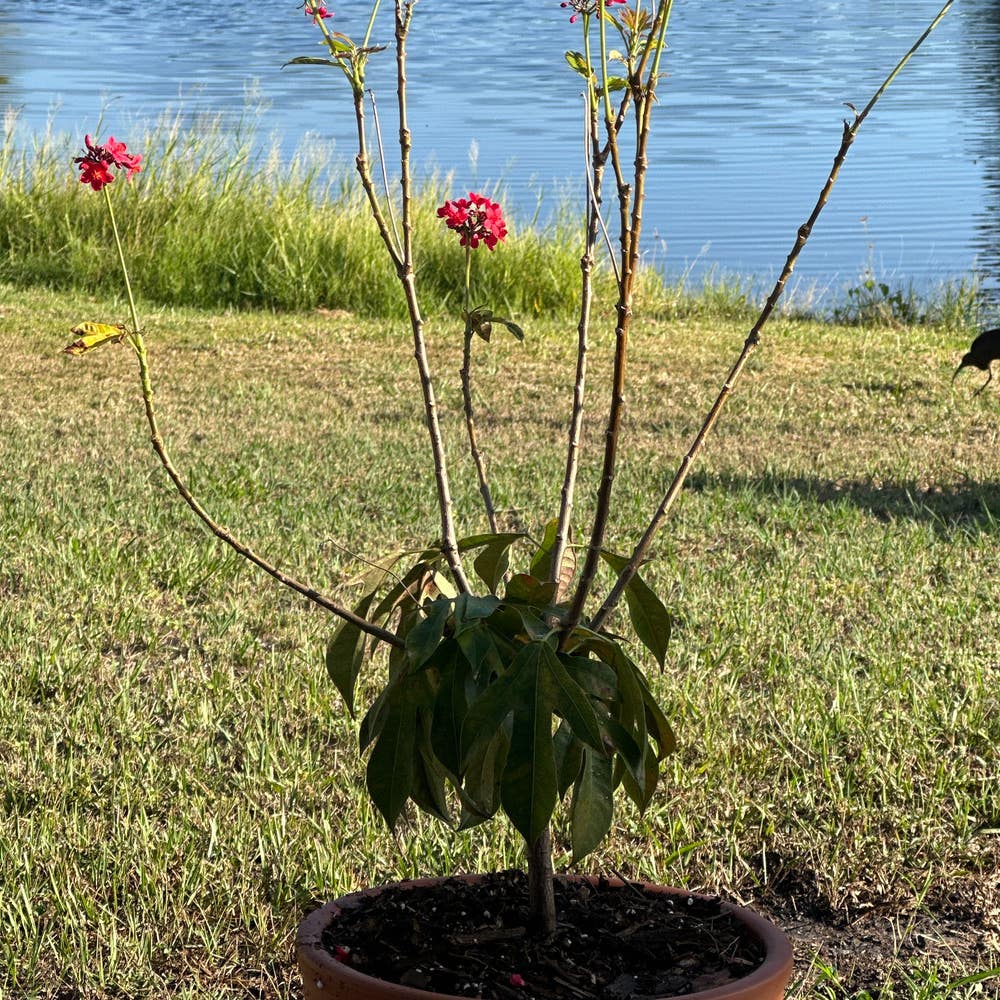
🌸 The Blooming Cycle
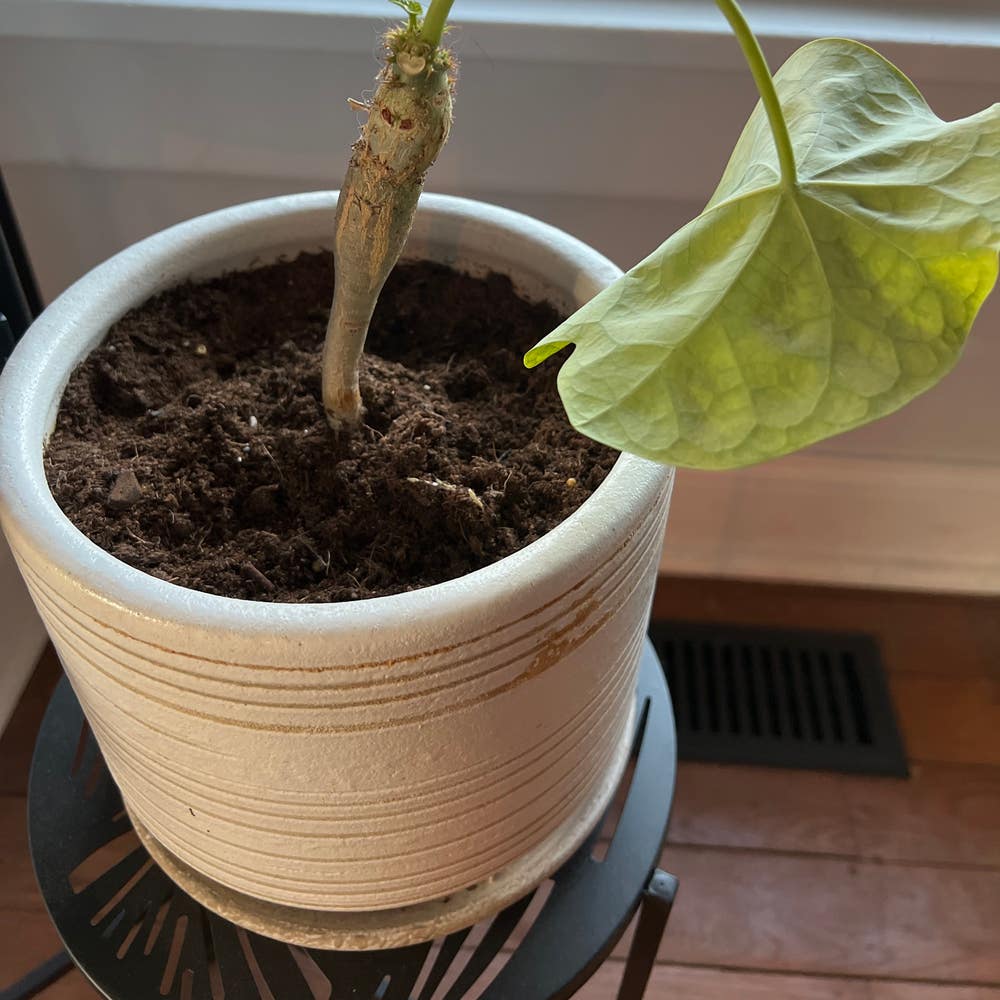
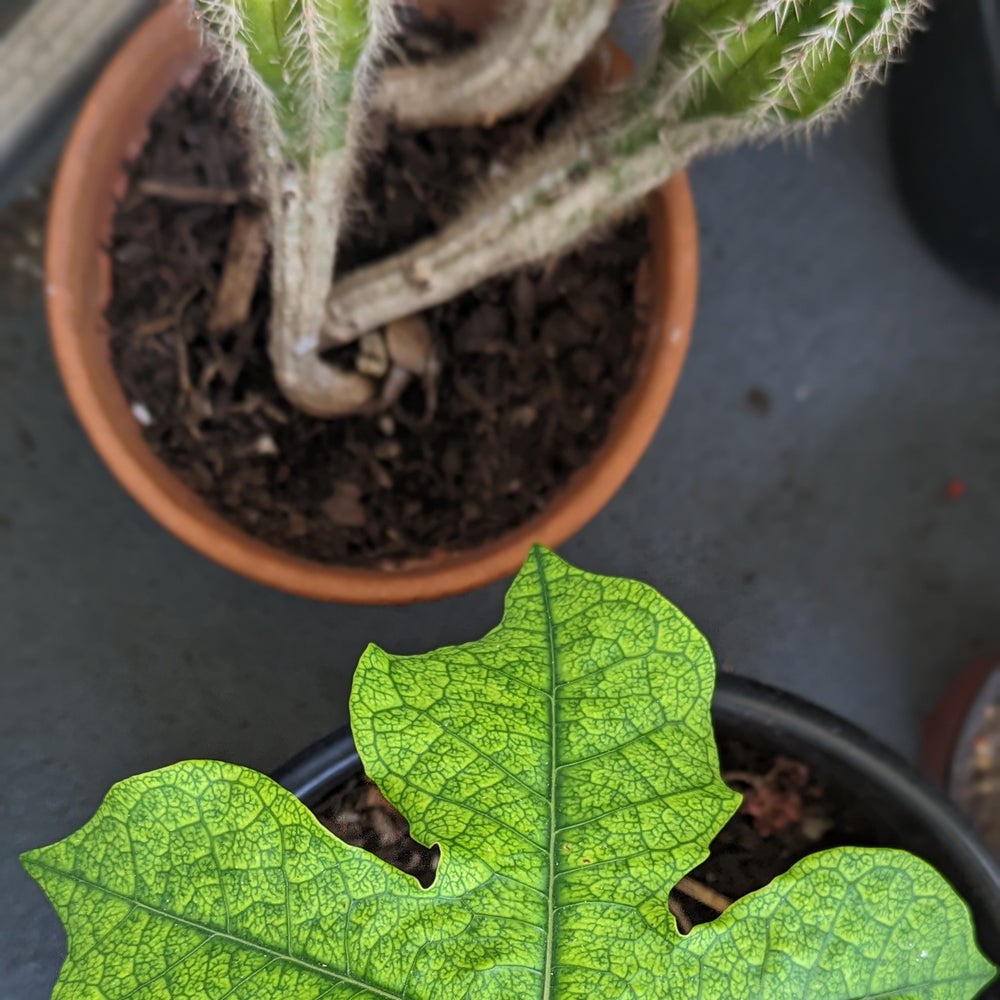
Buddha Belly Plants, or Jatropha podagrica, are known for their distinctive swollen stems and lobed leaves. They don't just bloom on a whim; it's a rare event that plant enthusiasts eagerly anticipate. Typically, these plants flower when they've hit a certain maturity milestone, which can take years.
🎵 What Triggers the Blooming Phase?
The blooming phase is like a botanical standing ovation, a sign that you've nailed the care routine. Light exposure and seasonal shifts are the maestros conducting this natural symphony. When the conditions align—just enough light, the right temperature, a whisper of a season change—the plant bursts into bloom.
🌼 The Significance of Blooms
When you spot those small, white flowers, it's more than just a visual treat; it's a testament to the plant's robust health. Blooms signify that your Buddha Belly Plant is thriving, having reached a level of maturity that's worthy of a botanical round of applause. It's a green thumbs-up!

Creating the Perfect Environment for Blooms
💡 Light: The Key to Unlocking Blooms
Bright, indirect light is your Buddha Belly Plant's best friend when it comes to flowering. Too much direct sunlight can be harsh, while too little leaves your plant in the dark, literally and figuratively. Position it near a window that bathes it in sunlight but doesn't scorch its leaves. If natural light is playing hard to get, consider a grow light; it's like a sun substitute that doesn't take a day off.
🌡️ Temperature and Humidity: Setting the Stage for Flowers
The Buddha Belly Plant doesn't just bloom; it throws a full-on floral fiesta when the temperature is a cozy 65°F to 85°F (18°C to 29°C). Think of it as the plant's comfort zone. Humidity, on the other hand, should be like a well-planned party – not too dry, not too damp. Aim for that sweet spot where the air feels like a gentle, warm hug. If your indoor air is more desert than tropical, a humidifier can be the plus-one your plant didn't know it needed. Remember, consistency is the name of the game – avoid dramatic swings in temperature and humidity to prevent your plant from getting botanical stage fright.

Nurturing Your Plant Towards Flowering
💧 Water and Soil: The Foundation of Flowering
Watering your Buddha Belly Plant isn't a splash-and-dash affair; it's a ritual. Consistency is your mantra here. Keep the soil moist but dodge the swampy extremes. When the topsoil feels like a dry martini, it's time to water.
Soil is your plant's kingdom. Aim for a well-draining mix that's more Buckingham Palace than Alcatraz. It should be nutrient-rich, yet not so heavy that the roots throw a tantrum. If you're seeing your plant perk up with a green glow, you're on track for blooming success.
🌼 Feeding Your Plant for Fabulous Flowers
Choosing the right fertilizer is like picking a winning lottery ticket. You want one that's phosphorus-forward (the middle number in N-P-K) to cheer on those blooms. But don't get fertilizer-happy; it's a garnish, not the main course.
Timing is everything. Feed during the growing season, but let your plant Netflix and chill in the winter. It's their downtime. Overfeeding is like force-feeding cake to a dieting friend – just don't. Watch for budding signs, and then, it's go time with the plant food.

Pruning and Care Tips to Encourage Blooming
🌱 Strategic Pruning for Potential Blooms
Pruning is not just a trim; it's a strategic move to encourage your Buddha Belly Plant to bloom. Timing is everything: prune after the blooming cycle to avoid snipping off future flower buds. Use sterilized scissors for clean cuts, which promote quick healing and prevent diseases.
🌼 Ongoing Care for Continuous Blooming
Post-bloom, your plant is not on vacation; it's prepping for the next show. Maintain consistent care with the right balance of light, water, and nutrients. Keep an eye out for stress indicators like color changes or stunted growth. Catching these early can prevent a full-blown plant drama. After flowering, remove spent stalks to redirect energy to new blooms. Remember, a well-cared-for Buddha Belly Plant is a repeat bloomer.
⚠️ Safety First
This content is for general information and may contain errors, omissions, or outdated details. It is not medical, veterinary advice, or an endorsement of therapeutic claims.
Always consult a qualified healthcare professional before using any plant as food, medicine, or supplement.
Never eat any plant (or feed one to pets) without confirming its identity with at least two trusted sources.
If you suspect poisoning, call Poison Control (800) 222-1222, the Pet Poison Helpline (800) 213-6680, or your local emergency service immediately.
Spotted an error? Please report it here.
Experience the joy of a flourishing Buddha Belly Plant 🌼 by letting Greg tailor the ideal care routine for those perfect blooms!