🖐 Ultimate Guide to Buddha's Palm Plant Roots
Jatropha podagrica
By the Greg Editorial Team
Oct 19, 2024•6 min read
This article was created with the help of AI so we can cover more plants for you. May contain errors. See one? Report it here.
Discover how to nurture your Buddha's Palm roots 🌱 for vibrant growth and a flourishing home garden!
- 🌱 Buddha's Palm roots are fibrous, spreading 3-4 feet for optimal nutrient absorption.
- 🚫 Prevent root rot by allowing soil to dry out between waterings.
- 🌿 Healthy roots are white and firm, crucial for thriving plant growth.
Root System Characteristics
Type of Root System 🌱
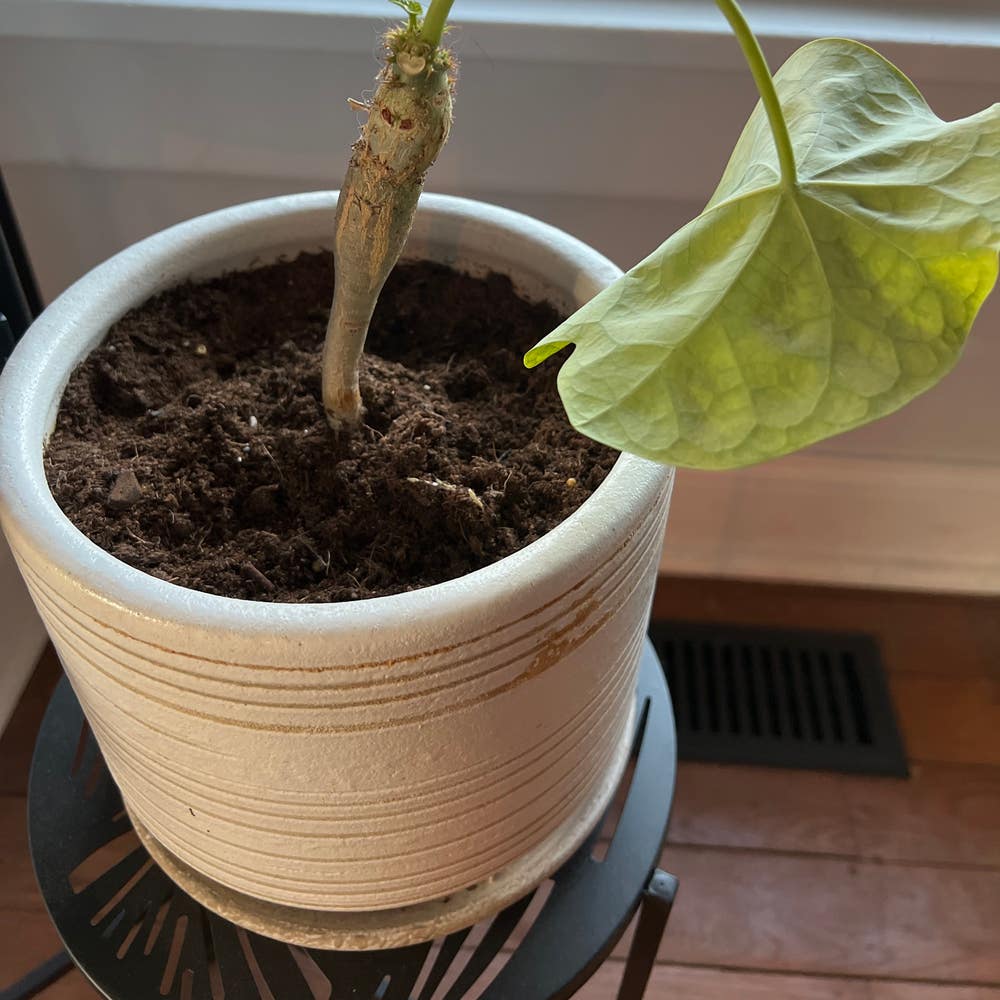
The Buddha's Palm Plant features a fibrous root system. This means it has thin, branching roots that spread widely, allowing the plant to absorb nutrients and water efficiently.
In contrast to other root types, such as taproots that grow deep and straight, or rhizomatous roots that spread horizontally, fibrous roots are more adaptable. They create a dense network close to the soil surface, which is crucial for the plant's stability and nutrient uptake.
Root Depth and Spread 📏
Typically, the roots of the Buddha's Palm can reach depths of up to 2 feet. However, they can extend 3 to 4 feet wide, making them quite expansive.
In optimal conditions, these roots demonstrate rapid growth. They thrive in well-draining soils but can struggle in compacted soils, highlighting the importance of soil type for healthy root development.
Understanding these characteristics helps in providing the right care for your Buddha's Palm, ensuring it remains vibrant and healthy.
Next, we’ll explore how the root system impacts watering and fertilizing needs.
Watering and Fertilizing
🌱 Impact of Root System on Watering Needs
Understanding the watering needs of your Buddha's Palm Plant is crucial. The fibrous root system thrives when the soil is allowed to dry out between waterings, preventing waterlogged conditions.
Overwatering can lead to root rot, a serious issue that can devastate your plant. Signs include wilting leaves and a foul odor emanating from the soil, indicating that the roots are struggling to breathe.
🌿 Fertilization Techniques
When it comes to fertilizing, balanced NPK fertilizers are your best bet. These provide essential nutrients that support healthy root development and overall plant vitality.
Timing is key; fertilize during the growing season for optimal results. Keep an eye on your plant's health—if you notice stunted growth or yellowing leaves, it may be time to adjust your fertilization strategy.
Understanding these watering and fertilizing techniques will set the foundation for a thriving Buddha's Palm Plant. Next, let’s explore the best practices for transplanting this beautiful plant.
Transplanting Techniques
Best Practices for Transplanting 🌱
Transplanting your Buddha's Palm Plant is best done in spring or early summer. This timing allows the plant to acclimate and thrive in its new environment.
You'll need a clean, sharp spade and fresh potting mix. Using the right tools ensures a smooth process and minimizes stress on the plant.
Conditions for Successful Transplanting 🌿
Preparing the new pot is crucial. Ensure it has adequate drainage holes to prevent waterlogging.
When handling the root system, aim to minimize disturbance. Gently loosen the roots without tearing them to maintain their health.
Post-transplant care is vital for success. Water the plant thoroughly and place it in a location with appropriate light conditions to help it adjust.
By following these transplanting techniques, you can set your Buddha's Palm Plant up for a flourishing future. Next, let’s explore common root-related issues that may arise.
Common Root-Related Issues
🕵️ Identifying Root Rot and Other Diseases
Root rot is a sneaky adversary for your Buddha's Palm Plant. Look out for wilting leaves, yellowing foliage, and an unpleasant odor emanating from the soil—these are telltale signs that your plant is in distress.
Fungal infections can also plague the roots. These diseases often thrive in overly moist conditions, leading to further complications if not addressed promptly.
🛠️ Solutions for Preventing and Treating Root Problems
Prevention is your best ally. Ensure your plant is in well-draining soil and adopt proper watering techniques to avoid waterlogged roots.
If you do encounter root problems, act quickly. Remove any affected roots and repot your plant in fresh soil to give it a fighting chance. This proactive approach can save your plant and restore its health.
Understanding these issues is crucial for maintaining a thriving Buddha's Palm Plant. With the right care, you can keep your plant's roots healthy and vibrant, setting the stage for lush growth and vitality.
Next, let’s explore how to recognize and address rootbound conditions.
Root Health Indicators
👀 Visual Cues for Healthy Roots
Healthy roots are a plant's lifeline. Look for roots that are white, firm, and well-structured; these indicate a thriving Buddha's Palm Plant.
Root health is crucial for overall plant vitality. Strong roots absorb nutrients and water efficiently, supporting lush growth and vibrant leaves.
🚨 Signs of Unhealthy Roots and Corrective Actions
Unhealthy roots can be a plant's downfall. Indicators include brown, mushy, and foul-smelling roots, signaling potential root rot or disease.
When you spot these signs, take immediate action. Pruning away the affected roots and repotting the plant in fresh soil can restore its health and vigor.
Understanding root health is essential for nurturing your Buddha's Palm Plant. With the right care, you can ensure your plant thrives beautifully.
Next, let’s explore how to recognize and address rootbound conditions for optimal growth.
Recognizing Rootbound Plants
Definition and Causes of Rootbound Conditions 🌱
Rootbound plants occur when roots begin to circle the pot, restricting growth and nutrient absorption. This condition often arises from using a pot that’s too small or neglecting to repot the plant as it grows.
Recognizing and Addressing Rootbound Issues 🔍
You can spot a rootbound plant by its stunted growth and poor water absorption. If you notice these signs, it’s time to take action.
- Repotting: Move the plant into a larger container to give the roots room to expand.
- Root Pruning: Trim back any circling roots to encourage new growth.
By addressing rootbound conditions promptly, you can help your Buddha's Palm thrive. This proactive approach not only enhances root health but also boosts the overall vitality of the plant.
Understanding these signs and solutions will set you on the right path to nurturing a flourishing Buddha's Palm. Next, let’s explore propagation and division techniques to further enhance your plant care skills.
Propagation and Division
🥔 Importance of Root Health in Propagation
Healthy roots are crucial for successful propagation. They provide the necessary nutrients and stability for new plants to thrive.
Timing is also key; the best period for propagation is during active growth seasons. This ensures that the plant can recover quickly and establish itself in its new environment.
✂️ Step-by-Step Guide for Dividing
Preparing tools: Start with a clean, sharp knife or spade to avoid introducing diseases.
Identifying sections to divide: Look for natural separations in the plant. This will help you divide it without causing unnecessary stress.
Dividing the plant: Ensure each section has healthy roots. This is vital for the new plants to take hold and grow.
Replanting: Use fresh potting mix and follow proper watering techniques. This will give your new plants the best chance to flourish.
By following these steps, you can successfully propagate your Buddha's Palm Plant, ensuring that each new section has the potential to thrive. Understanding the importance of root health and proper techniques will lead to a more vibrant and healthy plant collection.
Next, we’ll explore how to recognize rootbound conditions and their impact on plant health.
⚠️ Safety First
This content is for general information and may contain errors, omissions, or outdated details. It is not medical, veterinary advice, or an endorsement of therapeutic claims.
Always consult a qualified healthcare professional before using any plant as food, medicine, or supplement.
Never eat any plant (or feed one to pets) without confirming its identity with at least two trusted sources.
If you suspect poisoning, call Poison Control (800) 222-1222, the Pet Poison Helpline (800) 213-6680, or your local emergency service immediately.
Spotted an error? Please report it here.
Nurture your Buddha's Palm Plant's roots for success 🌿 by using Greg's tailored watering reminders and expert care tips to keep those roots healthy and thriving!