🌴 Buddha's Palm Plant Care: Preventing and Treating Root Rot
Jatropha podagrica
By the Greg Editorial Team
Oct 19, 2024•5 min read
This article was created with the help of AI so we can cover more plants for you. May contain errors. See one? Report it here.
Prevent root rot 🌱 and ensure your Buddha's Palm thrives with these essential care tips for vibrant growth!
- 💧 Proper watering techniques are crucial to prevent root rot in Buddha's Palm plants.
- 🌱 Signs of overwatering include yellow leaves and mushy stems; adjust watering habits accordingly.
- 🪴 Healthy roots are white and firm; inspect regularly to catch root rot early.
Preventing Root Rot
💧 Importance of Proper Watering Techniques
Watering your Buddha's Palm correctly is crucial for preventing root rot. Aim to keep the soil consistently moist but not soggy; typically, watering every 1-2 weeks works well.
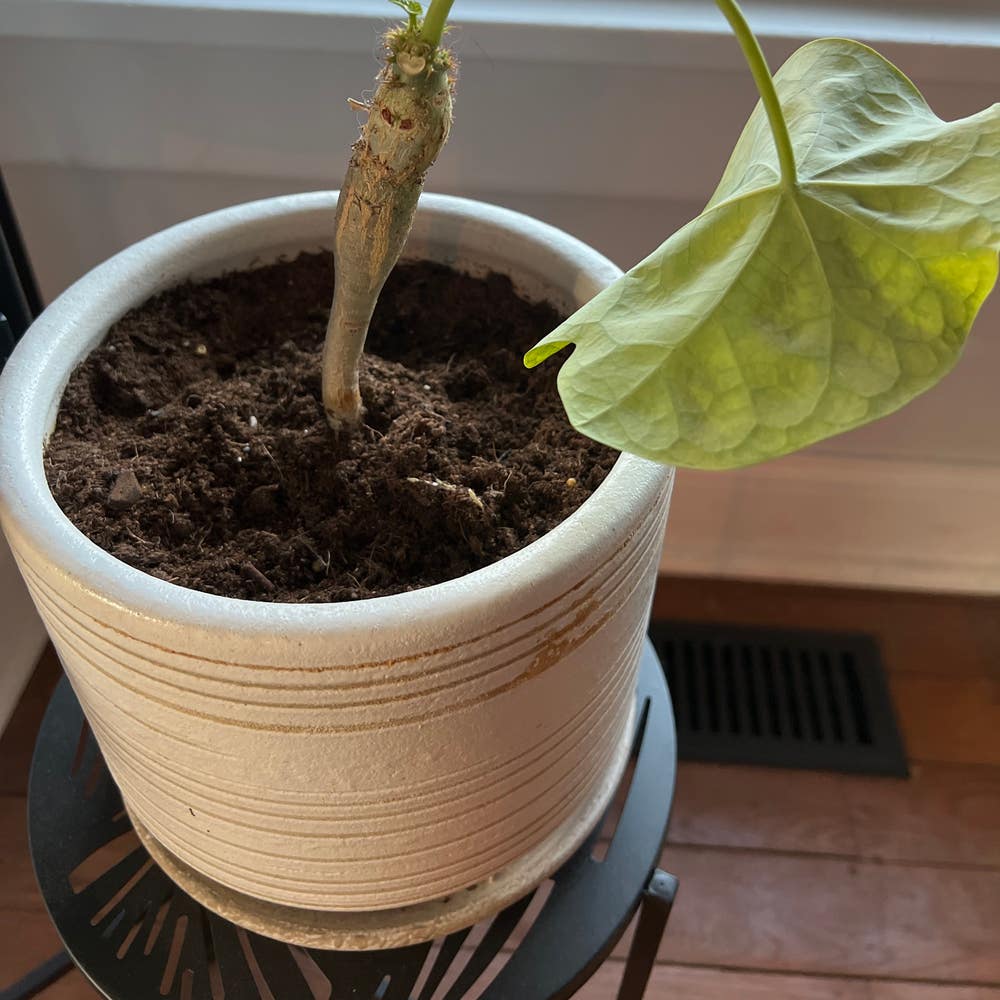
Recognizing signs of overwatering is essential. Look for yellowing leaves or a mushy stem, which indicate it's time to adjust your watering habits.
🌱 Choosing the Right Soil Mix
Selecting a well-draining potting mix is vital for your plant's health. A combination of peat moss, compost, and perlite or sand will provide the right balance of moisture retention and drainage.
Soil aeration is key to preventing compaction. Adding perlite or sand helps create air pockets, allowing roots to breathe and thrive.
🚰 Ensuring Adequate Drainage
Choosing pots with drainage holes is non-negotiable. These holes allow excess water to escape, reducing the risk of root rot.
You can also improve drainage by adding gravel to the bottom of your pots or opting for self-watering pots. Both methods help maintain optimal moisture levels without waterlogging the roots.
🌦️ Environmental Factors Affecting Moisture Levels
Humidity plays a significant role in your plant's well-being. Aim for humidity levels around 40-60% to keep your Buddha's Palm happy.
Temperature stability is equally important. Keep your plant in a consistent environment, avoiding drafts or sudden temperature changes that can stress it out.
By mastering these preventive measures, you can create a thriving environment for your Buddha's Palm, setting the stage for healthy growth and vibrant foliage. Next, let’s explore how to diagnose and treat root rot effectively.
Treating Root Rot
Step-by-Step Guide to Diagnosing Root Rot 🌱
Diagnosing root rot begins with a thorough inspection of your Buddha's Palm. Look for signs like wilting leaves, yellowing foliage, or a general decline in vigor.
Next, it's time for a root examination. Gently remove the plant from its pot to get a closer look at the roots.
How to Remove and Inspect Roots 🔍
When removing the plant, be careful to minimize damage. Use your hands or a trowel to gently loosen the soil around the roots.
Once out, clean the roots by rinsing them under lukewarm water. This helps remove any soil and debris that may be hiding issues.
Now, identify healthy versus unhealthy roots. Healthy roots are firm and white, while unhealthy ones appear brown, mushy, or slimy.
Treatment Options 💊
For treating root rot, fungicides can be effective. Look for products specifically designed to combat fungal infections in plants.
Repotting is another crucial step. Carefully place the plant in fresh, well-draining soil to give it a fighting chance.
Don’t forget to disinfect your tools. Sterilizing scissors or trowels prevents the spread of any lingering infections.
Recovery Care for Affected Plants 🌈
After treatment, adjust your watering practices. Allow the soil to dry out more between waterings to prevent future issues.
Nutrient support is also vital. Consider using a balanced fertilizer to encourage recovery and promote healthy growth.
Finally, monitor your plant's progress. Look for signs of improvement, such as new growth or a return to vibrant color, to ensure your efforts are paying off.
With these steps, your Buddha's Palm can bounce back from root rot and thrive once again.
Monitoring Plant Health
🕵️ Regular Checks for Signs of Distress
Monitoring your Buddha's Palm is essential for early detection of root rot. Inspect your plant weekly for signs like wilting or yellowing leaves.
Keeping a care log can be a game changer. Documenting changes in plant health helps you identify patterns and adjust care accordingly.
🌦️ Adjusting Care Based on Seasonal Changes
As the seasons change, so do your plant's needs. In warmer months, you may need to water more frequently, while cooler months often require less.
Temperature and humidity also fluctuate with the seasons. Be prepared to adapt your care routine to maintain your plant's health.
🌡️ Importance of Humidity and Temperature Control
Creating an ideal environment is crucial for your Buddha's Palm. Aim for stable humidity and temperature levels to keep your plant thriving.
Using tools like hygrometers and thermometers can help you monitor conditions effectively. These devices provide valuable insights, ensuring your plant remains in its happy zone.
By staying vigilant and adjusting care as needed, you can prevent issues before they arise. This proactive approach will keep your Buddha's Palm healthy and vibrant.
Common Misconceptions
🌊 Myths About Watering Frequency
One common myth is that "more is better" when it comes to watering plants. In reality, overwatering can lead to root rot, which is detrimental to your Buddha's Palm.
Understanding proper watering needs is crucial. Instead of sticking to a rigid schedule, check the soil moisture before watering. This simple practice can save your plant from unnecessary stress.
🧐 Misunderstanding Signs of Healthy vs. Unhealthy Roots
Distinguishing between healthy and rotting roots can be tricky. Healthy roots are firm and white, while unhealthy roots often appear brown and mushy.
Recognizing these visual differences is vital for your plant's health. Roots are the lifeline of your Buddha's Palm, and maintaining their vitality is essential for overall plant well-being.
By debunking these myths, you can provide better care for your plant and ensure its thriving growth. Next, let’s explore how to monitor plant health effectively.
⚠️ Safety First
This content is for general information and may contain errors, omissions, or outdated details. It is not medical, veterinary advice, or an endorsement of therapeutic claims.
Always consult a qualified healthcare professional before using any plant as food, medicine, or supplement.
Never eat any plant (or feed one to pets) without confirming its identity with at least two trusted sources.
If you suspect poisoning, call Poison Control (800) 222-1222, the Pet Poison Helpline (800) 213-6680, or your local emergency service immediately.
Spotted an error? Please report it here.
Keep your Buddha's Palm thriving and root rot-free 🌿 with Greg's tailored watering reminders and moisture tracking to ensure your plant gets just the right care it needs!