👐 Managing Direct Sunlight for Your Buddha's Palm Plant
Jatropha podagrica
By the Greg Editorial Team
Oct 19, 2024•3 min read
This article was created with the help of AI so we can cover more plants for you. May contain errors. See one? Report it here.
Keep your Buddha's Palm thriving 🌱 by mastering its sunlight needs and avoiding stress for vibrant growth!
- 🌞 Buddha's Palm thrives in bright, indirect light for optimal growth and health.
- 🚫 Direct sunlight causes leaf burn and stunted growth; use filtered light instead.
- 🪴 Adjust window placement seasonally to ensure ideal light exposure for your plant.
Sunlight Needs of Buddha's Palm Plant
🌞 Sunlight Preferences
The Buddha's Palm Plant thrives in bright, indirect light. While it can adapt to lower light conditions, it may not reach its full potential in such environments.
☀️ Tolerance Levels for Direct Sunlight
This plant has a limited tolerance for direct sunlight. It can handle some exposure, but prolonged direct light can be detrimental, making filtered light the best choice.
🔥 Signs of Too Much Sunlight
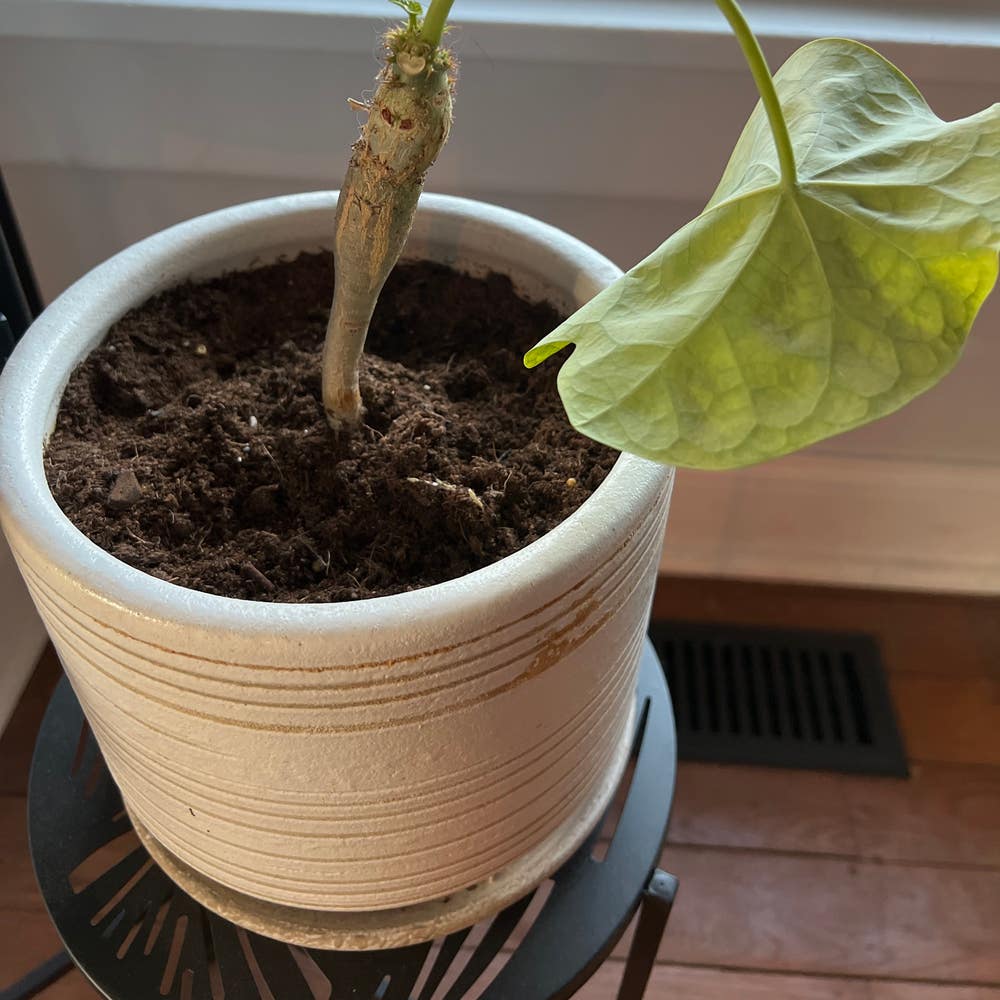
Be on the lookout for signs that your plant is getting too much sun. Leaf burn manifests as brown or crispy edges, while fading color indicates a loss of that vibrant green hue. Drooping leaves are another clear sign of stress from excessive light exposure.
Understanding these sunlight needs is crucial for keeping your Buddha's Palm Plant healthy and vibrant. Next, we'll explore how environmental factors, like window direction and hemisphere, can impact your plant's light exposure.
Environmental Factors
Role of Window Direction 🌅
The direction of your windows plays a crucial role in the health of your Buddha's Palm Plant.
South-facing windows receive the most direct sunlight, which can be intense. You might need to filter this light to prevent stress on your plant.
North-facing windows, on the other hand, provide softer, indirect light. This environment is ideal for your Buddha's Palm, allowing it to thrive without the risk of sunburn.
Impact of Hemisphere on Sunlight Exposure 🌍
Your location in the world also affects how you care for your plant.
In the Northern Hemisphere, summer sunlight can be particularly intense. It's wise to consider seasonal adjustments to protect your plant during these months.
For those in the Southern Hemisphere, similar considerations apply. Adjust your care based on local climate conditions to ensure your Buddha's Palm remains healthy and vibrant.
Understanding these environmental factors can significantly enhance your plant care routine. By positioning your Buddha's Palm correctly and adjusting for seasonal changes, you can create the perfect growing conditions.
Next, let's explore common issues that arise from too much direct sunlight and how to tackle them effectively.
Common Issues and Solutions
🌞 Problems Caused by Too Much Direct Sunlight
Excessive direct sunlight can lead to sunburn on your Buddha's Palm Plant. This manifests as browning and crispy edges on the leaves, signaling that your plant is stressed.
Another issue is stunted growth. When the plant receives too much light, it struggles to gather energy, resulting in a lack of vitality.
🛠️ Solutions for Managing Excessive Sunlight Exposure
To combat these problems, consider relocating your plant to a shadier spot. Alternatively, using window treatments can filter the harsh sunlight effectively.
If you need to introduce your plant to brighter light, do so gradually. This acclimatization helps prevent shock and allows your plant to adjust comfortably.
🌿 Recovery Tips for Sunburned Leaves
If your plant has suffered sunburn, start by trimming the damaged leaves. This encourages new growth and helps the plant focus its energy on healthy foliage.
Next, adjust the light conditions to ensure your plant receives the right amount of light moving forward.
Finally, monitor humidity levels. Maintaining a humid environment supports recovery and promotes overall health for your Buddha's Palm Plant.
By addressing these common issues, you can help your plant thrive and enjoy its vibrant beauty for years to come.
⚠️ Safety First
This content is for general information and may contain errors, omissions, or outdated details. It is not medical, veterinary advice, or an endorsement of therapeutic claims.
Always consult a qualified healthcare professional before using any plant as food, medicine, or supplement.
Never eat any plant (or feed one to pets) without confirming its identity with at least two trusted sources.
If you suspect poisoning, call Poison Control (800) 222-1222, the Pet Poison Helpline (800) 213-6680, or your local emergency service immediately.
Spotted an error? Please report it here.
Keep your Buddha's Palm thriving 🌿 by using Greg's personalized light management tips to ensure it gets just the right amount of indirect sunlight for vibrant growth!