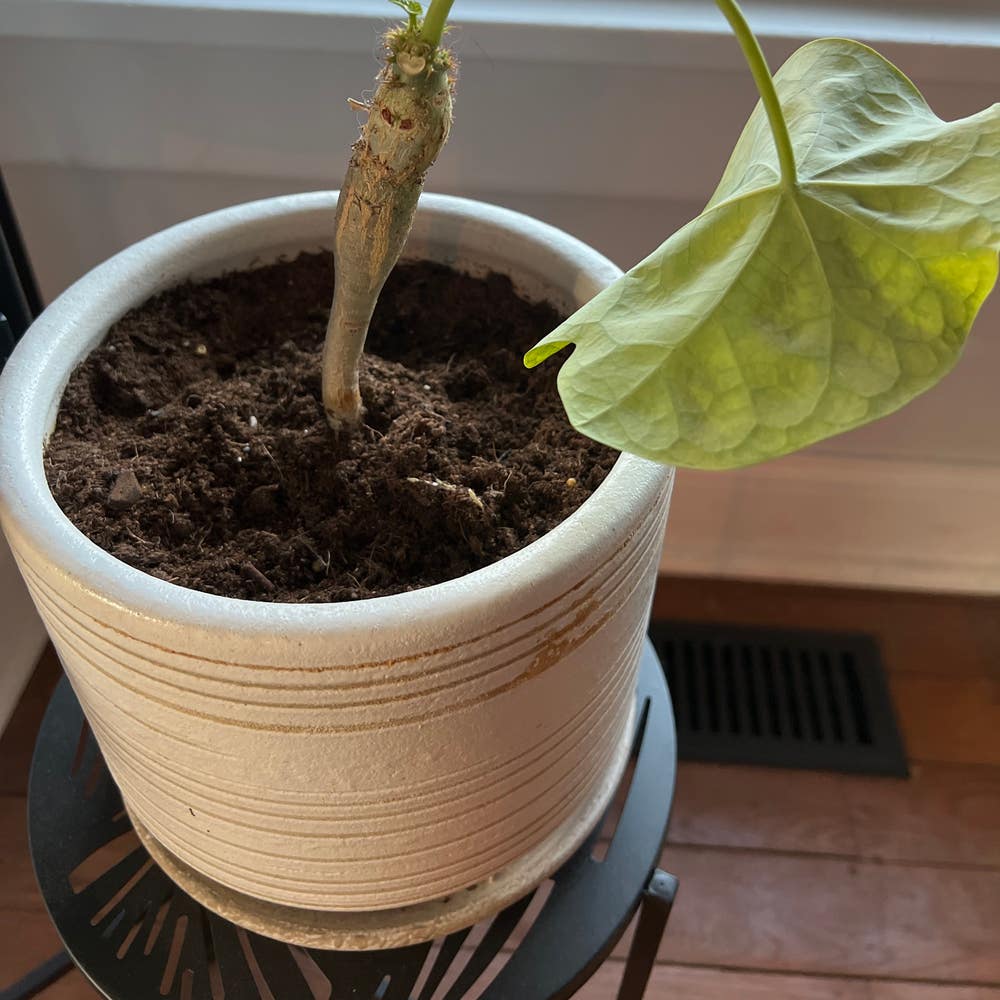
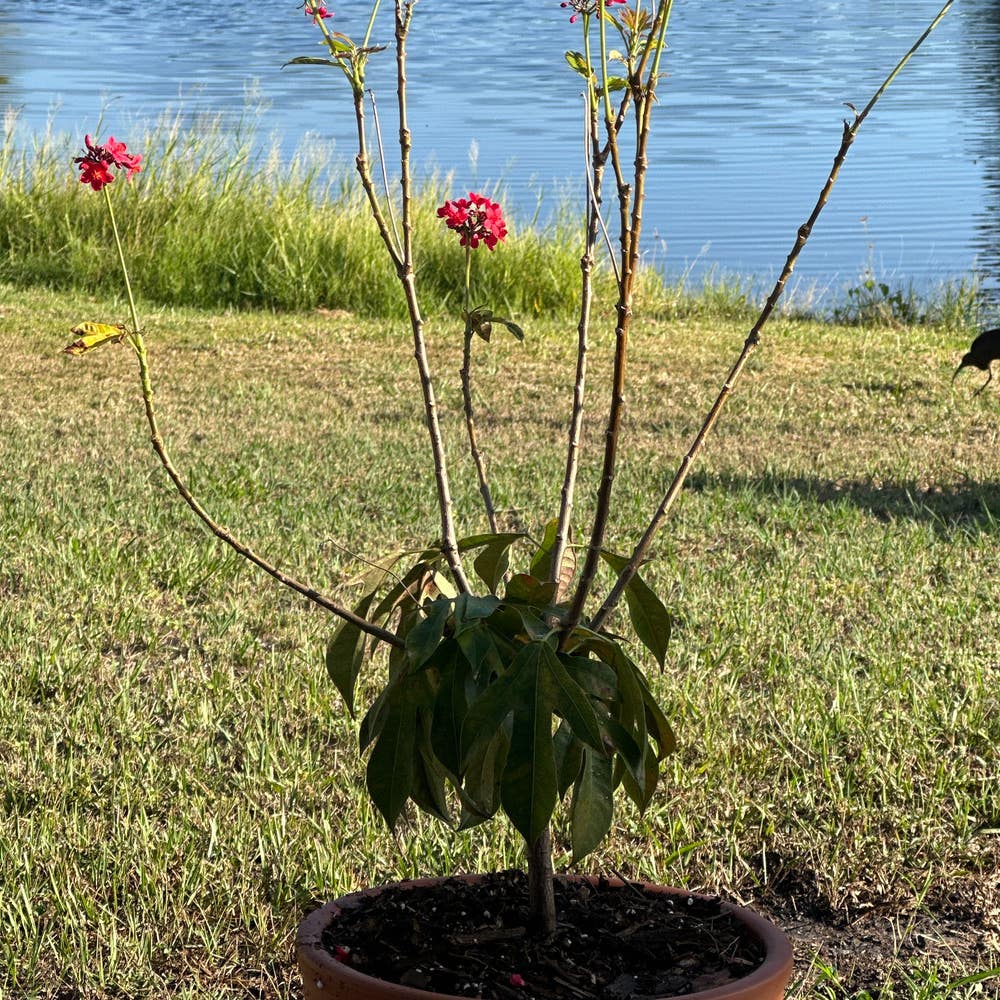
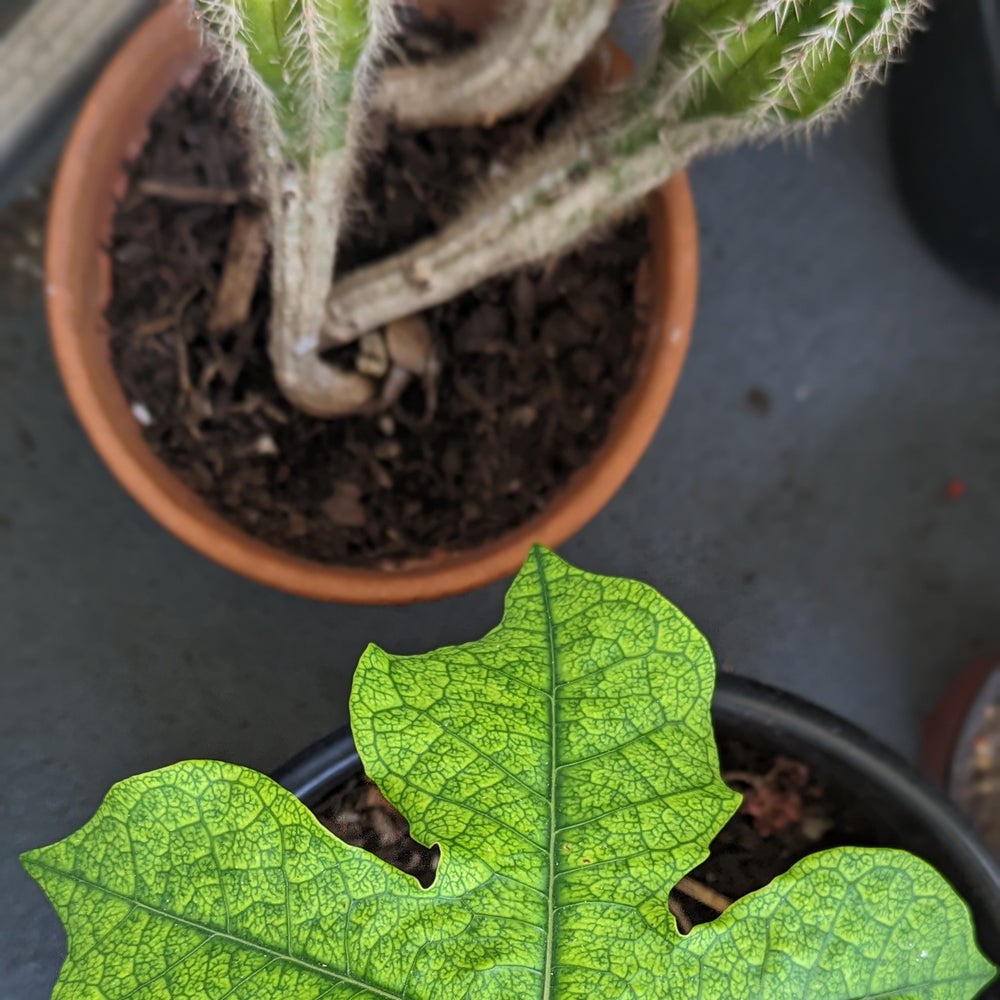
10 Indoor Buddha's Palm Plant Care Hacks 🌴
Jatropha podagrica
By the Greg Editorial Team
Oct 19, 2024•5 min read
This article was created with the help of AI so we can cover more plants for you. May contain errors. See one? Report it here.
Cultivate a lush Buddha's Palm 🌴 indoors by mastering its light, water, and humidity needs for vibrant growth!
- 🌞 Buddha's Palm needs 6-8 hours of indirect light for optimal growth.
- 💧 Water every 1-2 weeks; watch for yellow leaves as signs of overwatering.
- 🌿 Maintain humidity between 50-70% for thriving Buddha's Palm health.
Light Requirements
Ideal Indoor Light Levels 🌞
Indoor Buddha's Palm plants thrive in indirect light, requiring about 6-8 hours of filtered sunlight daily. If your space lacks natural light, don’t fret; these plants can adapt to lower light conditions with a few simple strategies.
Role of Grow Lights 💡
Using grow lights can significantly enhance your indoor gardening experience. They are especially beneficial during low natural light conditions or the winter months, ensuring your plant gets the light it craves.
Choosing the Best Grow Light 🛠️
When selecting grow lights, consider the two main types: LED and fluorescent. LEDs are energy-efficient and long-lasting, while fluorescents are often more affordable upfront.
For optimal growth, aim for a wattage of around 20-40 watts per square foot, and choose a light spectrum that includes both blue and red wavelengths.
Placement is crucial; keep the grow lights about 12-24 inches from the plant and run them for 12-16 hours a day to mimic natural sunlight.
With the right light conditions, your Buddha's Palm will flourish, setting the stage for the next essential care aspect: watering needs.
Watering Needs
Frequency and Amount 🌊
Watering your Buddha's Palm plant is crucial for its health. Aim for a general schedule of every 1-2 weeks, adjusting based on your indoor conditions.
When you do water, ensure you give it enough so that it drains from the bottom of the pot. This helps maintain moisture without drowning the roots.
Signs of Overwatering and Underwatering 🚨
Recognizing the signs of overwatering is essential. Look for yellowing leaves, mushy stems, and root rot as indicators that your plant is getting too much water.
On the flip side, underwatering can also cause problems. Watch for browning leaf tips, wilting, and dry soil, which signal that your plant needs a drink.
Understanding these watering needs will keep your Buddha's Palm thriving. Next, let’s explore how humidity and temperature play a role in its overall health.
Humidity and Temperature
Optimal Humidity Levels 🌧️
Maintaining the right humidity is crucial for your Buddha's Palm plant. Aim for a humidity range of 50-70% to promote healthy growth and vibrant leaves.
Tropical plants thrive in humid environments, so keeping humidity levels up helps prevent leaf drop and maintains overall plant health.
Temperature Preferences 🌡️
Your Buddha's Palm prefers a cozy temperature range between 18°C to 27°C (65°F to 80°F).
Be mindful of cold drafts and sudden temperature changes, as these can stress the plant and hinder its growth.
Humidity Control Methods 💧
To maintain optimal humidity, consider using humidifiers or pebble trays filled with water.
Grouping your plants together can also create a microclimate, enhancing humidity levels naturally and benefiting all your indoor greenery.
By paying attention to humidity and temperature, you set the stage for your Buddha's Palm to flourish. Next, let’s explore the best soil and fertilization practices to keep your plant thriving.
Soil and Fertilization
Best Soil Type 🌱
For your Buddha's Palm plant, a well-draining potting mix enriched with organic matter is essential. This combination ensures proper aeration and drainage, which are crucial for preventing root rot.
Fertilization Schedule and Types 🗓️
Fertilize your plant every 4-6 weeks during the growing season to promote healthy growth. You can choose between a balanced liquid fertilizer or slow-release granules, depending on your preference.
Signs of Nutrient Deficiency
Keep an eye out for yellowing leaves and stunted growth, as these can indicate nutrient deficiencies. Addressing these issues promptly will help your plant thrive.
With the right soil and fertilization practices, your Buddha's Palm will flourish. Next, let’s explore how to tackle common issues and solutions for keeping your plant healthy.
Common Issues and Solutions
🐛 Pests and Diseases
Indoor Buddha's Palm plants can face a few common pests, including spider mites, mealybugs, and scale insects. These pests can weaken your plant, so it's crucial to identify them early.
Diseases like root rot and leaf spot can also occur, often due to overwatering or poor drainage. Keeping an eye on your plant's health can help you catch these issues before they escalate.
🛡️ Preventive Measures for Pest Control
Regularly inspecting and cleaning your plant's leaves is essential for prevention. Dust can accumulate and attract pests, so a quick wipe-down can go a long way.
Consider using natural pest deterrents like neem oil or insecticidal soap. These options are effective and less harmful to your plant and the environment.
🔧 Troubleshooting Common Problems
If you notice yellowing leaves, it could indicate overwatering or nutrient deficiencies. Adjust your watering schedule and consider fertilizing to restore your plant's health.
Browning leaf tips often signal underwatering or low humidity levels. Ensure your plant is getting enough moisture and consider increasing humidity if necessary.
By staying vigilant and proactive, you can keep your Buddha's Palm thriving and beautiful. Next, let’s explore the best placement and maintenance tips to enhance its growth.
Placement and Maintenance
Best Locations in the Home 🌅
Finding the right spot for your Buddha's Palm plant is crucial. Aim for locations near east or west-facing windows where it can soak up indirect light for optimal growth.
Avoid placing your plant in areas with cold drafts or direct sunlight. These conditions can stress the plant and hinder its development.
Tips for Maintaining Appearance ✂️
Regular pruning is essential for keeping your Buddha's Palm looking its best. Remove any dead or damaged leaves to promote healthy growth and enhance its overall appearance.
Cleaning the leaves is equally important. Dust can accumulate and block sunlight, so gently wipe the leaves to ensure they can photosynthesize effectively.
With these simple placement and maintenance tips, your Buddha's Palm will thrive beautifully in your home. Next, let’s explore the watering needs to keep your plant hydrated and healthy.
⚠️ Safety First
This content is for general information and may contain errors, omissions, or outdated details. It is not medical, veterinary advice, or an endorsement of therapeutic claims.
Always consult a qualified healthcare professional before using any plant as food, medicine, or supplement.
Never eat any plant (or feed one to pets) without confirming its identity with at least two trusted sources.
If you suspect poisoning, call Poison Control (800) 222-1222, the Pet Poison Helpline (800) 213-6680, or your local emergency service immediately.
Spotted an error? Please report it here.
Transform your Buddha's Palm into a lush masterpiece 🌱 by using Greg's tailored watering reminders and expert care tips to keep it thriving!