🧘♂️ Top 3 Pot Options to Make Your Buddha's Palm Plant Thrive
Jatropha podagrica
By the Greg Editorial Team
Oct 19, 2024•6 min read
This article was created with the help of AI so we can cover more plants for you. May contain errors. See one? Report it here.
Transform your Buddha's Palm's growth 🌱 by mastering the perfect pot size and material for thriving health! 🌴
- 🌱 Choose the right pot size: 4-6 inches for seedlings, 12-16 inches for mature plants.
- 🏺 Clay pots enhance air circulation, while plastic pots offer lightweight convenience.
- 🔄 Repot every 1-3 years: Spring is ideal for healthy growth and root development.
Pot Size for Growth Stages
🌱 Importance of Pot Size
Choosing the right pot size is crucial for your Buddha's Palm plant's health and growth. Each growth stage requires a specific pot size to support root development and overall vitality.
🌿 Seedling Stage
For seedlings, a pot size of 4-6 inches in diameter is ideal. Smaller pots encourage root development, allowing the plant to establish itself firmly.
🌳 Young Plant Stage
As your plant matures, transition to an 8-10 inch pot. This size accommodates growth while providing enough space for the roots to expand.
🌴 Mature Plant Stage
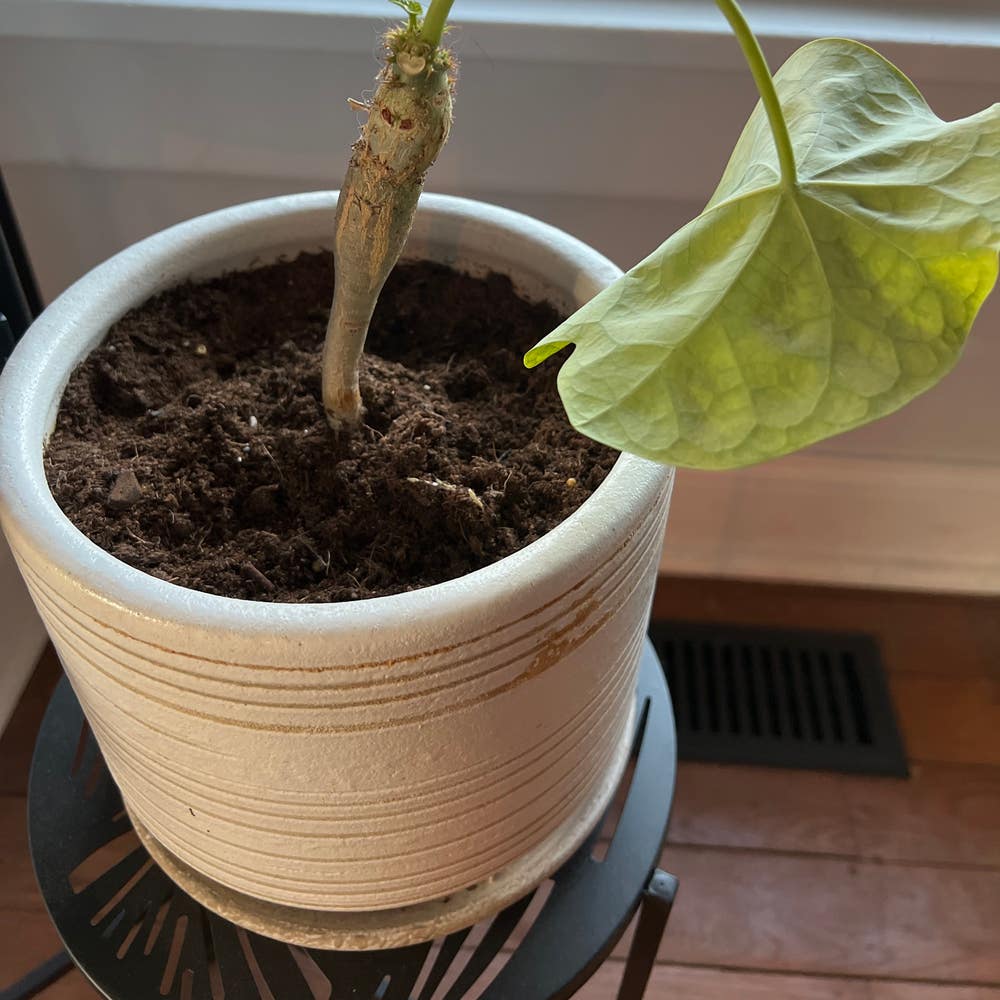
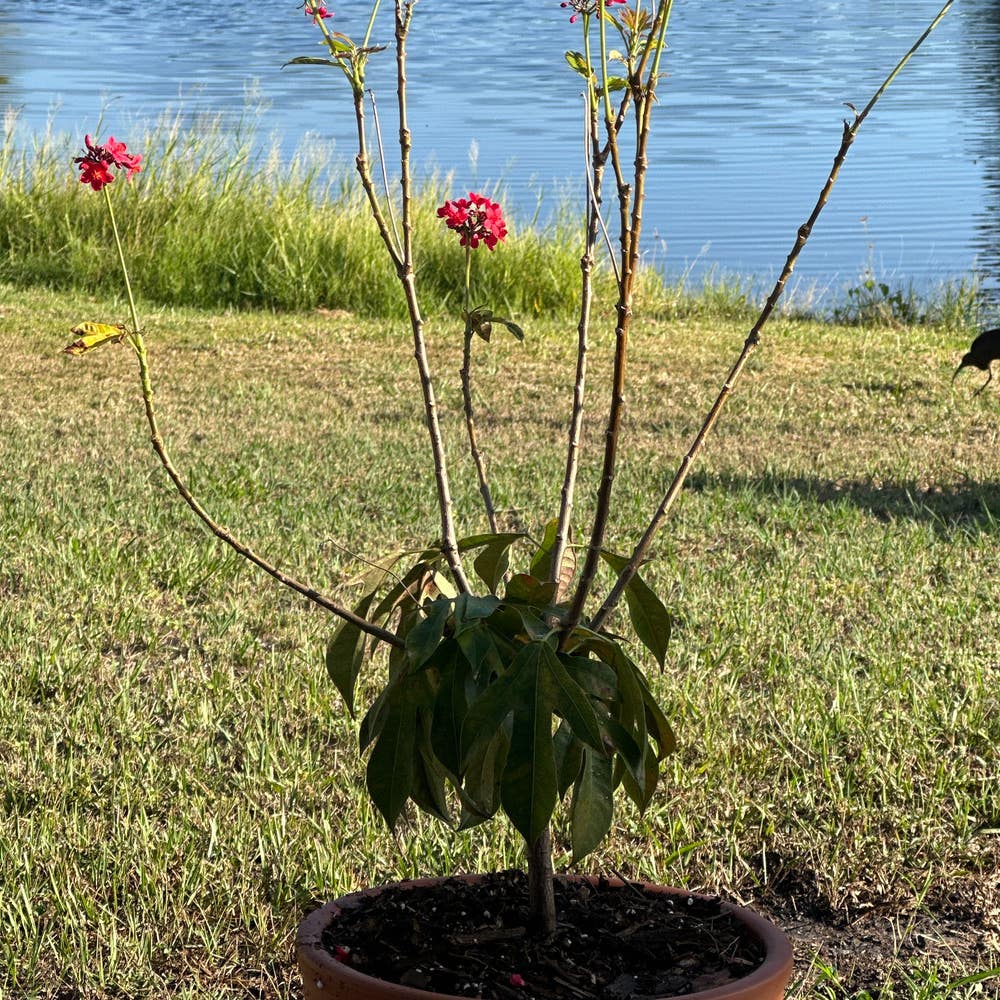
When your Buddha's Palm reaches maturity, opt for a pot that is 12-16 inches in diameter. This ensures ample room for its large, fan-like leaves to flourish.
📏 General Guideline
A good rule of thumb is to increase the pot size by 2 inches in diameter for each growth stage. This gradual transition helps maintain a healthy balance between root growth and pot size.
Understanding these pot size recommendations will set your Buddha's Palm up for success. Next, let's explore the ideal pot materials to enhance your plant's growth environment.
Ideal Pot Materials
🌱 Clay vs. Plastic Pots
Choosing the right pot material is crucial for your Buddha's Palm plant's health. Let's break down the pros and cons of clay and plastic pots.
Benefits of Clay
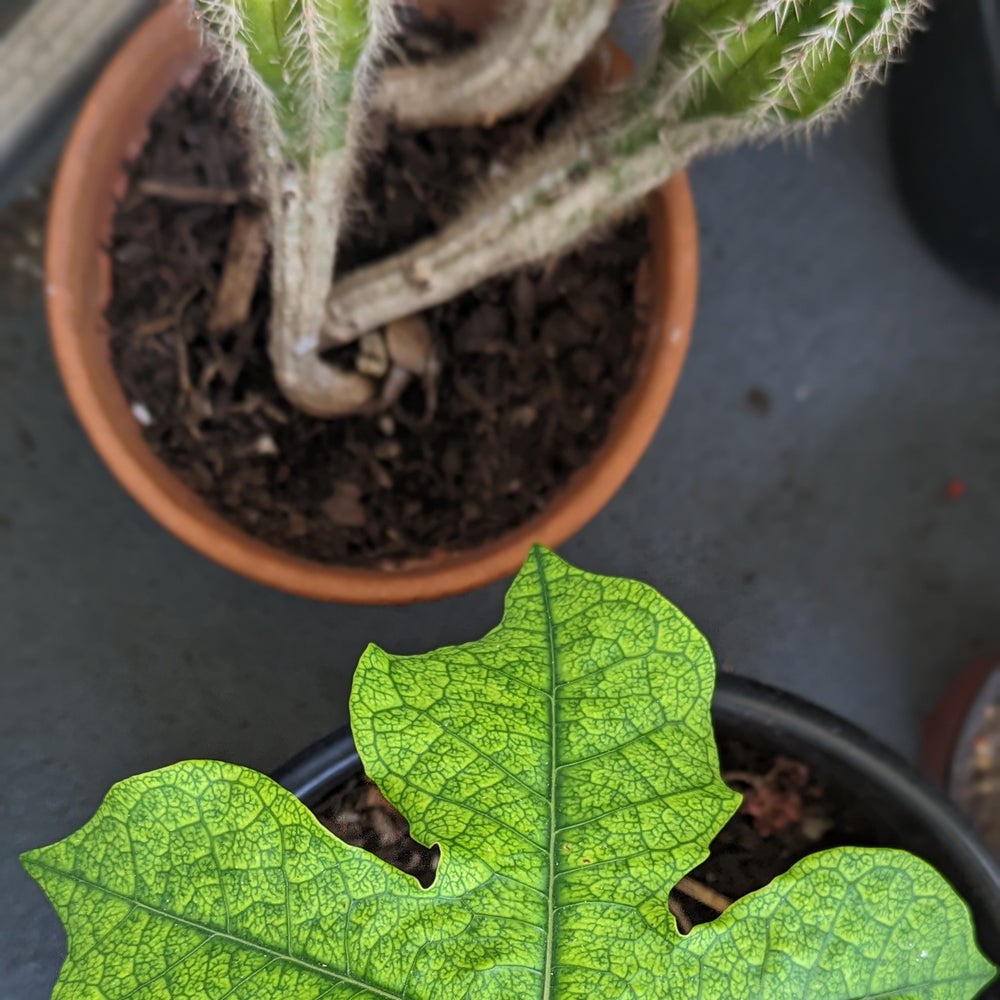
Clay pots are a favorite among plant enthusiasts for a reason. Their breathable nature promotes better air circulation, which is essential for healthy root development.
Additionally, clay helps regulate moisture levels, preventing the soil from becoming too soggy. This is particularly beneficial for plants like the Buddha's Palm that thrive in well-drained conditions.
Drawbacks of Clay
However, clay pots come with their own set of challenges. They are heavier than plastic, making them cumbersome to move around, especially when you need to reposition your plant for optimal light.
Moreover, clay is prone to cracking in extreme temperatures. If you live in an area with fluctuating weather, this could be a concern.
Benefits of Plastic
On the flip side, plastic pots are lightweight and easy to handle. This makes them a practical choice for those who frequently rearrange their plants or have limited strength.
Plastic pots also come in a variety of colors and designs, allowing you to match them with your home decor effortlessly.
Drawbacks of Plastic
Yet, plastic isn't without its downsides. These pots are less breathable than clay, which can lead to overwatering if you're not careful.
Additionally, plastic may retain heat, potentially affecting the root temperature of your plant. This is something to keep in mind, especially during hot summer months.
In summary, both clay and plastic pots have their advantages and disadvantages. Your choice should reflect your care preferences and the specific needs of your Buddha's Palm plant.
As you consider pot materials, remember that the right choice can significantly impact your plant's growth and overall health. Next, let's explore the importance of drainage in pot selection.
Drainage Considerations
🌧️ Importance of Drainage Holes
Proper drainage is crucial for your Buddha's Palm plant. It allows excess water to escape, significantly reducing the risk of root rot.
For pots that are 10 inches or larger, aim for at least 3-5 drainage holes. These holes should be evenly distributed around the base to ensure optimal drainage.
🚫 Effects of Poor Drainage
Overwatering can lead to noticeable symptoms. Look out for yellowing leaves and wilting, even when you’re watering correctly.
Long-term, poor drainage can cause root rot, which stunts growth and may ultimately kill your plant. To prevent this, always use pots with adequate drainage holes and consider adding a drainage layer, like gravel, at the bottom.
By ensuring proper drainage, you set your Buddha's Palm up for success. This attention to detail can make all the difference in keeping your plant healthy and thriving.
Next, let’s explore when and how to repot your Buddha's Palm for continued growth.
Repotting Guidelines
When to Repot Buddha's Palm 🌱
Repotting your Buddha's Palm is essential for its health. For young plants, aim to repot every 1-2 years, while mature plants benefit from repotting every 2-3 years.
Spring is the ideal season for this task, as the plant is actively growing and can better adapt to its new environment.
Signs That Indicate the Need for Repotting 🚨
Keep an eye out for specific signs that your plant needs a new pot. If you notice roots growing out of the drainage holes, it's time for a change.
Other indicators include soil that dries out too quickly after watering and stunted growth or yellowing leaves, even with proper care.
Step-by-Step Guide to Repotting 🛠️
- Choose a new pot that is 2 inches larger in diameter than the current one.
- Prepare the new pot by ensuring it has adequate drainage holes and adding a layer of fresh potting mix at the bottom.
- Carefully remove the plant from its current pot, gently loosening the root ball if it's tightly bound.
- Place the plant in the new pot, centering it and filling in with fresh potting mix.
- Water thoroughly to settle the soil, ensuring water drains out of the holes.
- Monitor the plant for signs of stress post-repotting, adjusting care as needed.
By following these guidelines, you can ensure your Buddha's Palm continues to thrive in its new home. Next, let’s explore how to choose the right pot for your plant’s needs.
Choosing the Right Pot
🌱 Factors to Consider
Size
Selecting the right pot size is crucial for your Buddha's Palm plant. Always match the pot size to its current growth stage to ensure optimal health.
Material
When it comes to pot materials, you have two main options: clay and plastic. Choose based on your care preferences and the aesthetic you want to achieve.
Weight
Consider the weight of the pot, especially for larger sizes. A lightweight pot can make moving your plant much easier.
🎨 Aesthetic Considerations
Color and Design
The color and design of your pot can enhance your indoor decor. Opt for pots that not only look good but also serve a functional purpose.
Texture and Finish
Think about the texture and finish of the pot. Matte or glossy finishes can change the vibe of your space, so choose what resonates with you.
Placement
Placement is key for your plant's health. Ensure the pot fits well in its intended space, allowing for adequate light and air circulation around the plant.
Choosing the right pot is not just about functionality; it’s also about creating a harmonious environment for your Buddha's Palm. With the right pot, you can elevate both your plant's health and your home decor.
Next, let’s dive into the essential drainage considerations to keep your plant thriving.
⚠️ Safety First
This content is for general information and may contain errors, omissions, or outdated details. It is not medical, veterinary advice, or an endorsement of therapeutic claims.
Always consult a qualified healthcare professional before using any plant as food, medicine, or supplement.
Never eat any plant (or feed one to pets) without confirming its identity with at least two trusted sources.
If you suspect poisoning, call Poison Control (800) 222-1222, the Pet Poison Helpline (800) 213-6680, or your local emergency service immediately.
Spotted an error? Please report it here.
Choose the perfect pot for your Buddha's Palm 🌿 with Greg's tailored reminders and expert tips, ensuring your plant thrives at every growth stage!