👐 Why the Leaves on Buddha's Palm Plant Turn Yellow
Jatropha podagrica
By the Greg Editorial Team
Oct 19, 2024•6 min read
This article was created with the help of AI so we can cover more plants for you. May contain errors. See one? Report it here.
Transform your yellowing Buddha's Palm Plant 🌿 back to health with these essential diagnosis and treatment tips!
- 🌱 Yellow leaves indicate stress; check for dehydration or nutrient deficiencies.
- 💧 Underwatering causes drooping, while overwatering leads to mushy leaves. Adjust watering accordingly.
- 🌞 Bright, indirect sunlight is essential; relocate if leaves show inadequate light signs.
Diagnosing Yellow Leaves
Visual Signs to Look For 🌼
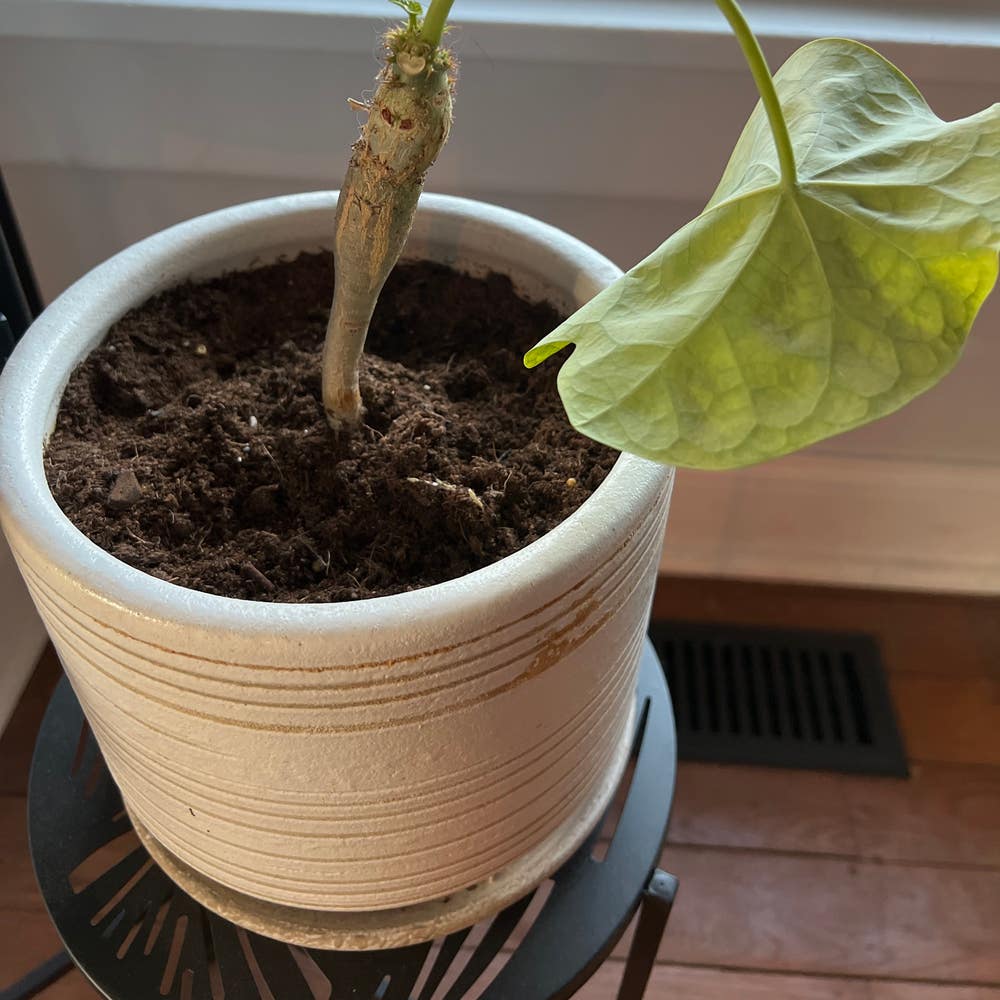
When your Buddha's Palm Plant starts showing yellow leaves, it's crucial to identify the specific color changes. Yellowing leaves often indicate stress, while browning can signal more severe issues like dehydration or root rot.
Pay attention to the texture of the leaves as well. Crispy leaves suggest underwatering, whereas mushy leaves typically point to overwatering.
Differentiating Between Overwatering and Underwatering 💧
To determine if your plant is overwatered or underwatered, conduct a simple soil moisture test. You can use your finger to check the soil or a moisture meter for a more precise reading.
Observe how the leaves behave. Drooping leaves usually indicate underwatering, while crisping leaves may suggest overwatering.
Identifying Nutrient Deficiency Symptoms 🥦
Nutrient deficiencies can manifest in various ways. General yellowing across the leaves may indicate a lack of essential nutrients, while interveinal chlorosis—yellowing between the veins—can point to specific deficiencies.
Additionally, monitor the growth patterns of your plant. Stunted growth may suggest nutrient issues, while leggy growth often indicates insufficient light or nutrient availability.
Recognizing Pest Damage 🐛
Pests can wreak havoc on your plant, so a visual inspection is essential. Look for any signs of pests on the leaves or stems.
Damage patterns can also provide clues. Leaf curling or discoloration often indicates pest activity, so keep an eye out for these symptoms to catch issues early.
By diagnosing these signs effectively, you can take the necessary steps to restore your Buddha's Palm Plant to its vibrant self. Next, we’ll explore how to treat those yellow leaves based on your diagnosis.
Treating Yellow Leaves
🚰 Steps to Take for Overwatered Plants
Overwatering can be a silent killer for your Buddha's Palm Plant. Start by assessing soil moisture levels; stick your finger into the soil or use a moisture meter to gauge how wet it is.
Next, carefully remove the plant from its pot and inspect the roots. If you find any that are mushy or black, trim them away to prevent further damage.
Once you've cleared out the rotten roots, repot the plant in fresh, well-draining soil. This will help ensure that excess water can escape, allowing the roots to breathe. Finally, adjust your watering schedule to prevent this issue from recurring.
💧 How to Address Underwatering Issues
Underwatering is just as detrimental, but thankfully easier to fix. Start by watering the plant thoroughly until excess water drains out from the bottom.
After that, monitor the soil moisture regularly. Adjust your watering frequency based on environmental conditions, such as temperature and humidity, to keep your plant happy.
🌱 Remedies for Nutrient Deficiencies
Nutrient deficiencies can lead to yellowing leaves, so it's crucial to address them promptly. Begin by selecting appropriate fertilizers that cater to your plant's specific needs.
Pay attention to application methods and timing. Fertilizing during the growing season can make a significant difference in your plant's health.
🐛 Pest Control Methods
Pests can wreak havoc on your Buddha's Palm Plant, so vigilance is key. Consider organic pest control options like neem oil or insecticidal soap for a safer approach.
If the infestation is severe, you may need to consider chemical options. Use these as a last resort and follow instructions carefully to protect your plant.
By taking these steps, you can revive your Buddha's Palm Plant and keep it thriving. Next, let’s explore how to prevent yellow leaves from becoming a recurring issue.
Preventing Yellow Leaves
🌊 Proper Watering Techniques
Establishing a consistent watering schedule is crucial for your Buddha's Palm Plant. Aim to water when the top inch of soil feels dry, ensuring the plant receives adequate moisture without becoming waterlogged.
Signs of proper moisture levels include slightly damp soil and vibrant, healthy leaves. If the soil feels too dry or too soggy, adjust your watering habits accordingly.
🪴 Soil Selection and Drainage
Choosing well-draining soil is essential for preventing yellow leaves. A mix that allows excess water to escape will help maintain healthy root systems.
Consider adding amendments like perlite or sand to improve drainage. This will create an environment where your plant can thrive without the risk of root rot.
🌱 Fertilization Schedule and Types of Fertilizers
Selecting the right fertilizers can significantly impact your plant's health. Look for balanced, water-soluble fertilizers specifically formulated for tropical plants.
Fertilize every 4-6 weeks during the growing season to provide essential nutrients. This regular feeding will help keep your Buddha's Palm Plant vibrant and green.
☀️ Ideal Light Conditions
Buddha's Palm Plants thrive in bright, indirect sunlight. Position your plant near a window where it can soak up light without being scorched.
Watch for signs of inadequate light, such as leggy growth or yellowing leaves. If you notice these symptoms, consider relocating your plant to a brighter spot.
💧 Maintaining Humidity Levels
Tropical plants like the Buddha's Palm require higher humidity levels to flourish. Aim for humidity levels around 50-60% to keep your plant happy.
To increase humidity, try using pebble trays filled with water or invest in a humidifier. These methods will create a more suitable environment for your plant, reducing the risk of yellow leaves.
By implementing these preventive measures, you can help ensure your Buddha's Palm Plant remains lush and vibrant. Next, let’s explore how to care for your plant after addressing any yellowing issues.
Post-Treatment Care
Monitoring Plant Recovery 🌱
After addressing the yellowing leaves, keep an eye on your Buddha's Palm Plant for signs of recovery. Look for new growth and vibrant green leaves as indicators that your plant is bouncing back.
Regular check-ins on soil moisture and humidity are essential. This ensures your plant remains in optimal conditions for recovery.
Signs of Improvement to Look For 👀
As your plant heals, you should notice the leaf color gradually returning to green. This transformation is a positive sign that your plant is regaining its health.
Additionally, watch for new leaf growth emerging. Fresh leaves indicate that your plant is thriving once again.
Long-Term Care Strategies to Prevent Recurrence 🛠️
To maintain your plant's health, establish a consistent care routine. Regular watering, appropriate fertilization, and monitoring light conditions will help keep your Buddha's Palm thriving.
Don’t forget to check for pests and environmental conditions frequently. This proactive approach will help you catch any issues before they escalate, ensuring your plant stays vibrant and healthy.
By following these strategies, you can enjoy a flourishing Buddha's Palm Plant for years to come.
⚠️ Safety First
This content is for general information and may contain errors, omissions, or outdated details. It is not medical, veterinary advice, or an endorsement of therapeutic claims.
Always consult a qualified healthcare professional before using any plant as food, medicine, or supplement.
Never eat any plant (or feed one to pets) without confirming its identity with at least two trusted sources.
If you suspect poisoning, call Poison Control (800) 222-1222, the Pet Poison Helpline (800) 213-6680, or your local emergency service immediately.
Spotted an error? Please report it here.
Keep your Buddha's Palm Plant vibrant and healthy 🌱 by using Greg's tailored watering reminders and nutrient tips to prevent yellow leaves and ensure thriving growth!