👐 5 Tips for Pruning Buddha's Palm Plant
Jatropha podagrica
By the Greg Editorial Team
Oct 19, 2024•3 min read
This article was created with the help of AI so we can cover more plants for you. May contain errors. See one? Report it here.
Transform your Buddha's Palm 🌴 with expert pruning tips for vibrant growth and a healthier plant!
- ✂️ Use sharp tools and disinfect to ensure effective pruning of Buddha's Palm plants.
- 🌱 Prune in spring for growth; fall is best for maintenance and health checks.
- 🌿 Signs to prune include yellow leaves and overcrowded stems—act promptly!
Recommended Tools for Effective Pruning
Essential Tools 🌿
To get started with pruning your Buddha's Palm plant, having the right tools is crucial. Here’s a quick rundown of what you’ll need.
Pruning Shears
Sharp, clean pruning shears are your best friend for precise cuts. They help you make clean snips that promote healthy regrowth.
Loppers
For those thicker stems, loppers are essential. Their long handles give you the leverage needed to tackle tougher branches.
Gloves
Don’t forget your gloves! They protect your hands from sharp edges and any potential irritants.
Disinfectant
Using a disinfectant is vital to prevent disease transmission between cuts. A quick wipe can save your plant from unwanted infections.
With these tools in hand, you’re well-equipped to give your Buddha's Palm the care it deserves. Next, let’s dive into the best timing and techniques for pruning to ensure optimal growth.
Timing and Techniques for Pruning
Best Seasons for Pruning 🌱
Spring is the prime time for pruning your Buddha's Palm. This season encourages rejuvenation and promotes robust growth.
Fall is also a suitable time for maintenance. It prepares the plant for dormancy, ensuring it enters the colder months in good shape.
Signs Indicating When to Prune 🔍
Look out for yellowing or browning leaves; these indicate dead or dying foliage that needs attention.
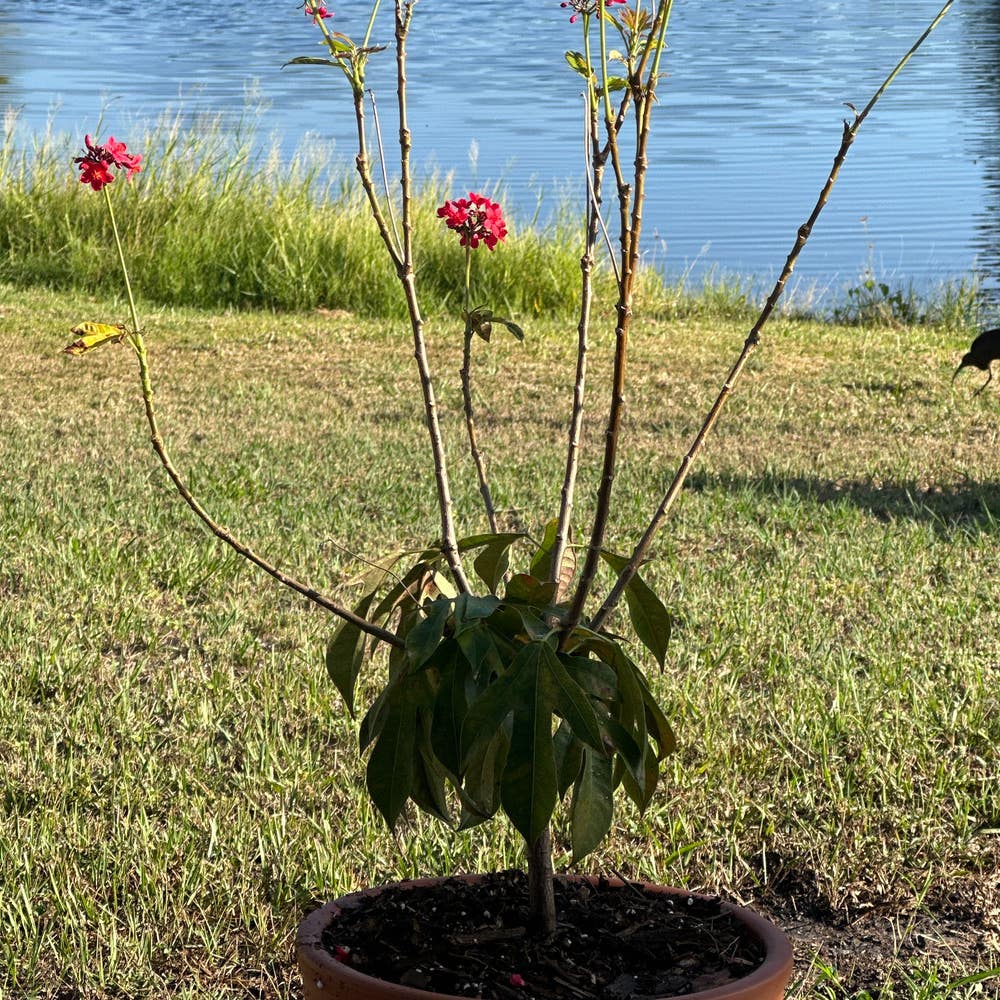
Overcrowded stems competing for light and nutrients signal that it's time to prune. Stunted growth can also suggest your plant is in need of rejuvenation.
Assessing Plant Health Before Pruning 🩺
Before you start, check for pests or diseases to ensure your plant is healthy.
Evaluating overall vigor is crucial; look for signs of stress or weakness that might affect your pruning decisions.
Common Pruning Mistakes ❌
One common mistake is over-pruning, which involves removing too much foliage at once.
Incorrect cutting techniques can leave jagged edges or damage stems, leading to further issues down the line.
How to Avoid Over-Pruning 🚫
To avoid over-pruning, follow the one-third rule: never remove more than one-third of the plant at a time.
Always assess plant health before each pruning session to make informed decisions.
Recognizing Signs of Stress Post-Pruning 😟
After pruning, keep an eye out for wilting leaves, which may indicate potential over-pruning.
Leaf drop is another sign that your plant is struggling to recover, requiring immediate attention.
By understanding the timing and techniques for pruning, you can ensure your Buddha's Palm thrives. Next, let’s explore effective deadheading techniques to further enhance your plant's health and appearance.
Post-Pruning Care
🐞 Caring for Buddha's Palm After Pruning
After pruning, it's crucial to keep an eye out for pests. Regular checks can help you catch any infestations early, ensuring your plant remains healthy.
Maintaining humidity is also essential for recovery. This is particularly important in dry environments, where your Buddha's Palm may struggle to bounce back.
🌱 Fertilization and Watering Considerations Post-Pruning
When it comes to fertilization, patience is key. Wait about 4-6 weeks after pruning before applying any fertilizer to give your plant time to recover.
Watering should be consistent but careful. Ensure the soil remains moist without becoming waterlogged, as this can lead to root rot.
👀 Monitoring Plant Health After Pruning
Regularly check the color of the leaves and observe growth patterns. These indicators will help you gauge how well your plant is recovering.
Be ready to adjust your care practices based on what you see. If the plant shows signs of stress, tweak your watering or humidity levels to support its recovery.
With these post-pruning care tips, your Buddha's Palm will thrive and flourish, setting the stage for vibrant growth ahead. Next, let’s explore effective deadheading techniques to keep your plant looking its best.
⚠️ Safety First
This content is for general information and may contain errors, omissions, or outdated details. It is not medical, veterinary advice, or an endorsement of therapeutic claims.
Always consult a qualified healthcare professional before using any plant as food, medicine, or supplement.
Never eat any plant (or feed one to pets) without confirming its identity with at least two trusted sources.
If you suspect poisoning, call Poison Control (800) 222-1222, the Pet Poison Helpline (800) 213-6680, or your local emergency service immediately.
Spotted an error? Please report it here.
Transform your Buddha's Palm into a vibrant centerpiece 🌿 with Greg's tailored pruning reminders and expert tips that ensure your plant flourishes all year round!