🪴 4 Factors Influencing Buddha Belly Plant Growth
Jatropha podagrica
By the Greg Editorial Team
Nov 08, 2024•5 min read
This article was created with the help of AI so we can cover more plants for you. May contain errors. See one? Report it here.
Cultivate a thriving Buddha Belly plant 🌱 and enjoy its stunning beauty for years with these essential growth tips!
- 🌱 Buddha Belly plants germinate in 2-4 weeks with proper temperature and moisture.
- 🌞 Optimal growth requires 70°F to 85°F and well-draining sandy soil.
- 🌿 Consistent moisture is crucial; avoid waterlogging to prevent seed rot.
Germination Stage
🌱 Duration of Germination
The germination period for the Buddha Belly plant typically spans 2 to 4 weeks. This timeframe can vary based on several factors, including temperature, moisture, and seed quality.
🌡️ Conditions for Successful Germination
To ensure successful germination, aim for an optimal temperature range of 70°F to 85°F (21°C to 29°C).
Soil Requirements
Use well-draining, sandy soil with a pH between 6.0 and 7.0. This soil composition helps prevent waterlogging, which can hinder seed development.
Moisture Levels
Maintaining consistent moisture is crucial. However, be cautious to avoid waterlogging, as it can lead to seed rot and poor germination rates.
By understanding these key factors, you can create the ideal environment for your Buddha Belly plant to thrive from the very beginning. Next, we’ll explore the characteristics of seedlings as they emerge from the soil.
Seedling Stage
🌱 Characteristics of Seedlings
During the seedling stage, Buddha belly plants exhibit small, fleshy leaves that boast a vibrant green hue. These seedlings typically grow to a height of 2 to 4 inches, showcasing their early vitality.
⏳ Duration of the Seedling Stage
This stage lasts approximately 4 to 6 weeks, a crucial period for development. You'll notice the transition as true leaves begin to form and the stem thickens, signaling that your plant is maturing.
The seedling stage is an exciting time in the growth journey of your Buddha belly plant. As you nurture these young plants, keep an eye on their progress, and soon you'll witness the transformation into the next growth phase.
Vegetative Growth Stage
🌱 Growth Patterns and Changes
During the vegetative growth stage, the Buddha Belly Plant showcases remarkable growth habits. It can reach heights of up to 3 feet and spread 2 feet wide, making it a striking addition to any garden.
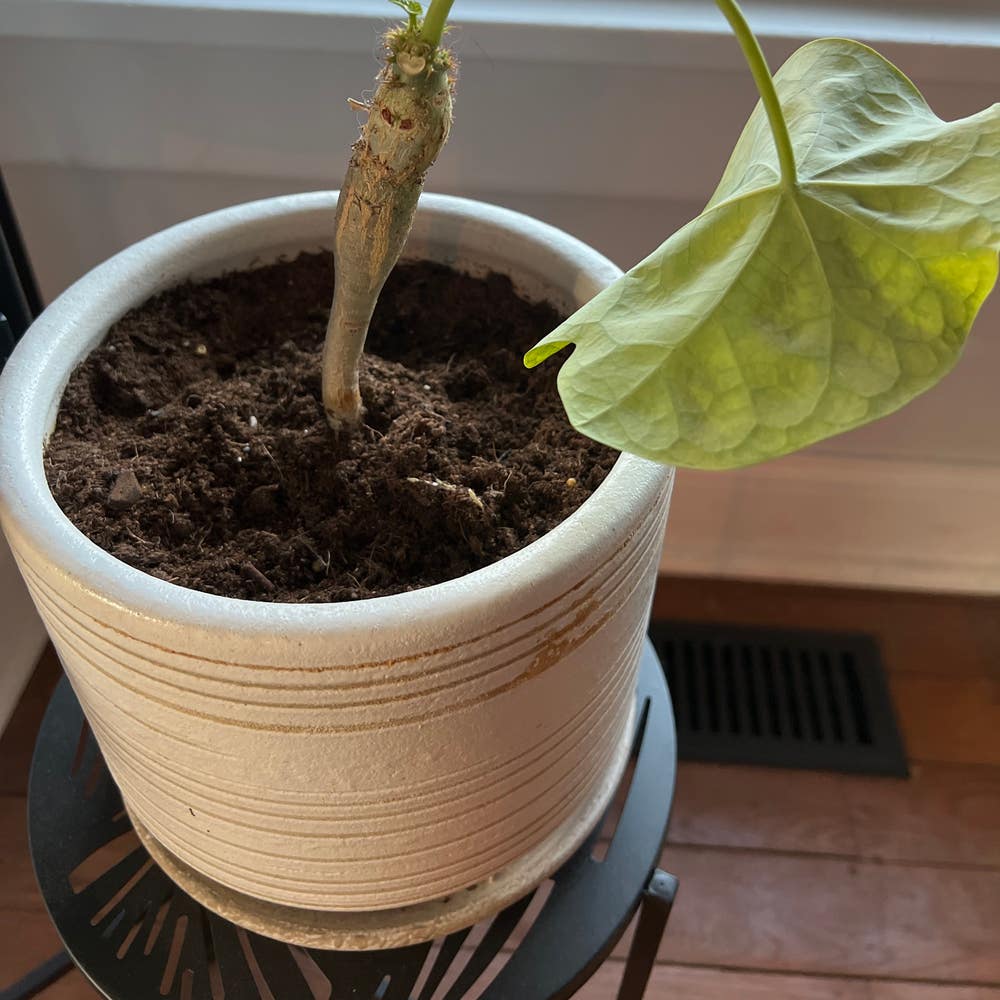
This stage is characterized by the formation of a unique swollen stem, which serves as a water storage adaptation. This feature not only enhances the plant's resilience but also contributes to its distinctive appearance.
⏳ Duration of Vegetative Growth
The vegetative growth stage typically lasts between 3 to 6 months, depending on various environmental conditions. Factors such as light availability, water, and nutrient levels play a crucial role in determining the growth rate.
Optimal light exposure encourages robust growth, while consistent watering and nutrient-rich soil support the plant's development. By paying attention to these factors, you can ensure your Buddha Belly Plant thrives during this vibrant stage.
As the plant matures, it will transition into the flowering and seed production stage, where its beauty truly shines.
Flowering and Seed Production Stage
🌸 Description of Flowering
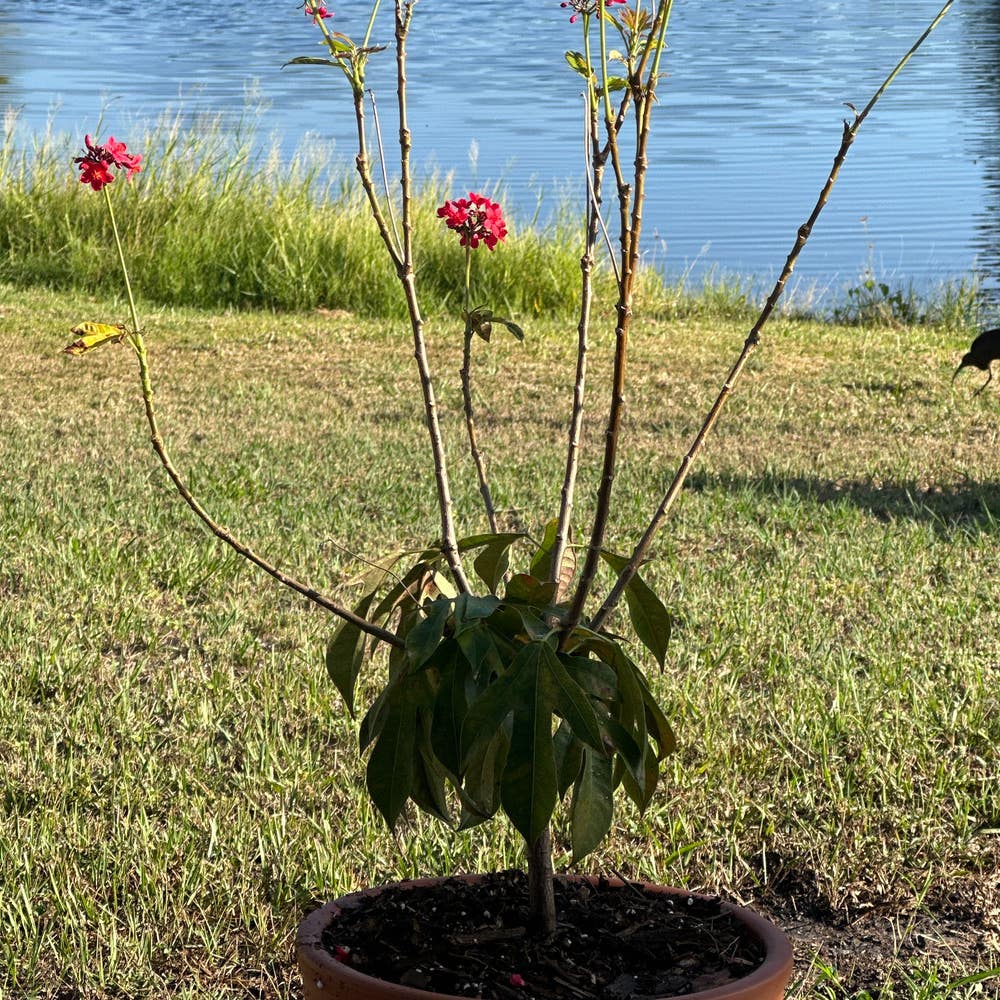
The Buddha Belly Plant showcases vibrant blooms that can be bright red or yellow, typically clustered together. These eye-catching flowers not only enhance the plant's aesthetic appeal but also play a crucial role in its reproductive success.
🐝 Pollination
Pollination is primarily carried out by insects, which helps ensure effective reproduction. This natural process boosts the chances of seed formation, allowing the plant to thrive and propagate.
☀️ Duration and Conditions for Flowering
Flowering generally occurs in the summer, with a duration of about 2-3 months. For optimal flowering, the plant requires full sun exposure and well-drained soil to flourish.
🌱 Process of Seed Production
The seed production process begins with sexual reproduction through pollination, leading to the formation of seeds. These seeds are small and round, making them easy to collect for propagation.
⏳ Duration and Viability of Seeds
Seeds typically mature within 4-6 weeks after flowering. Under proper storage conditions, they can remain viable for up to 2 years, providing ample opportunity for future planting.
This flowering and seed production stage is vital for the Buddha Belly Plant's lifecycle, ensuring its continuation and growth. Next, we will explore the growth rate and lifespan of this fascinating plant.
Growth Rate and Lifespan
🌱 How Long Until Buddha Belly Plant is Fully Grown?
The Buddha Belly Plant typically reaches full maturity in about 1-2 years when provided with optimal conditions. Factors such as environmental conditions, care practices, and genetic traits can significantly influence this maturation timeline.
⏳ Average Lifespan of Buddha Belly Plant
With proper care, the Buddha Belly Plant can enjoy a lifespan of 5-10 years. Its longevity is affected by various factors, including environmental conditions, effective pest management, and disease prevention strategies.
🔄 Notable Changes Throughout the Life Cycle
Throughout its life cycle, the Buddha Belly Plant undergoes several notable transformations.
Swollen Stem Development: One of the most striking features is the formation of its characteristic swollen stem, which serves as a water storage adaptation.
Leaf Size and Density: As the plant matures, you’ll notice an increase in leaf size and density, enhancing its lush appearance.
Transition to Flowering: The plant eventually transitions from vegetative growth to flowering and seed production, marking a significant phase in its life.
Aging Signs: As it ages, the plant may show signs of reduced growth rate and increased susceptibility to diseases, which can be managed with attentive care.
Understanding these growth patterns and lifespan factors can help you cultivate a thriving Buddha Belly Plant, ensuring it remains a vibrant addition to your garden for years to come.
⚠️ Safety First
This content is for general information and may contain errors, omissions, or outdated details. It is not medical, veterinary advice, or an endorsement of therapeutic claims.
Always consult a qualified healthcare professional before using any plant as food, medicine, or supplement.
Never eat any plant (or feed one to pets) without confirming its identity with at least two trusted sources.
If you suspect poisoning, call Poison Control (800) 222-1222, the Pet Poison Helpline (800) 213-6680, or your local emergency service immediately.
Spotted an error? Please report it here.
Unlock the secret to a thriving Buddha Belly plant 🌿 with Greg's personalized care tips and reminders that keep your plant's growth stages in check for stunning results!