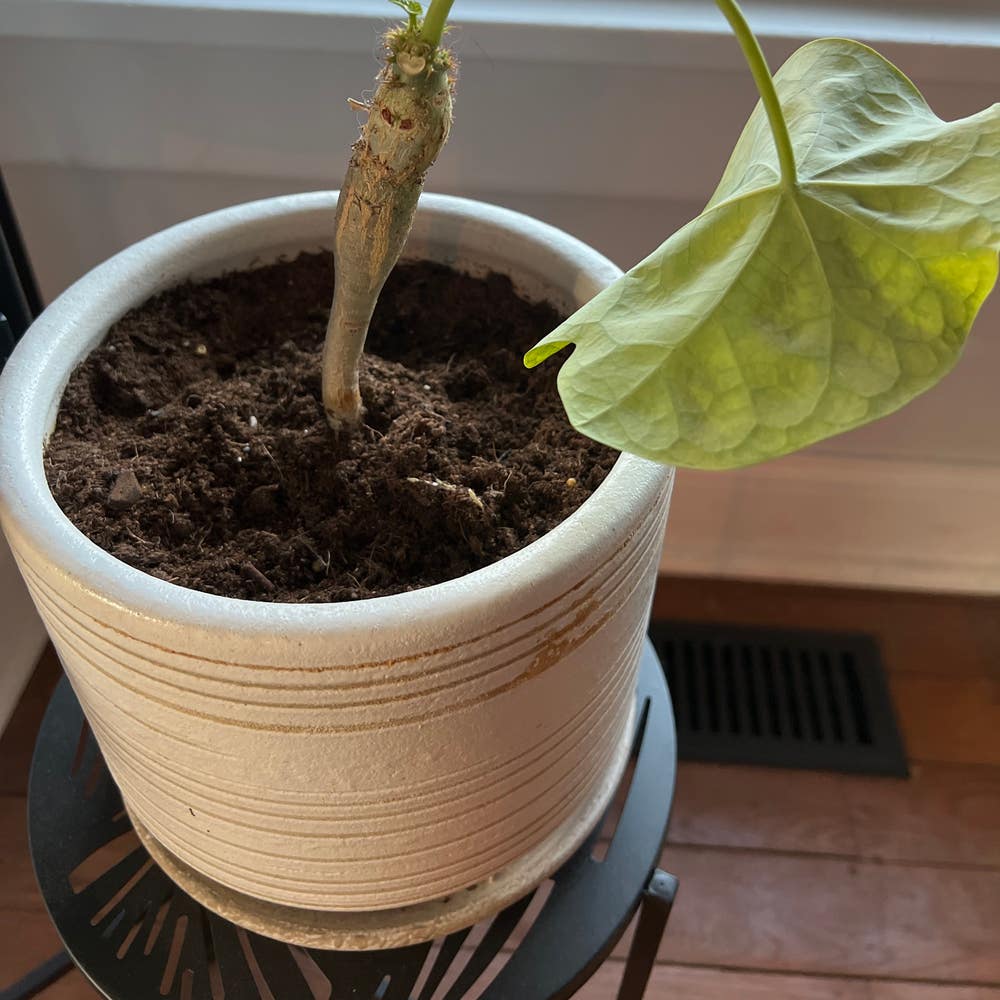
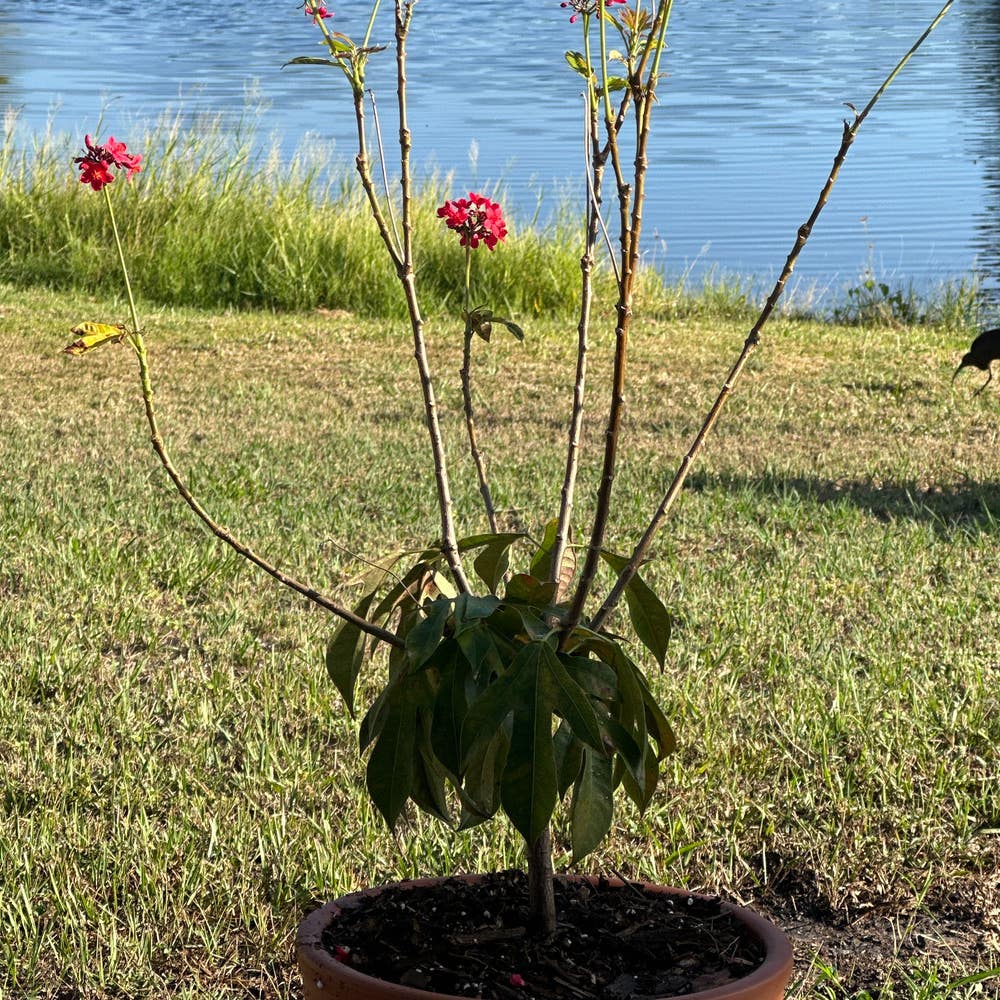
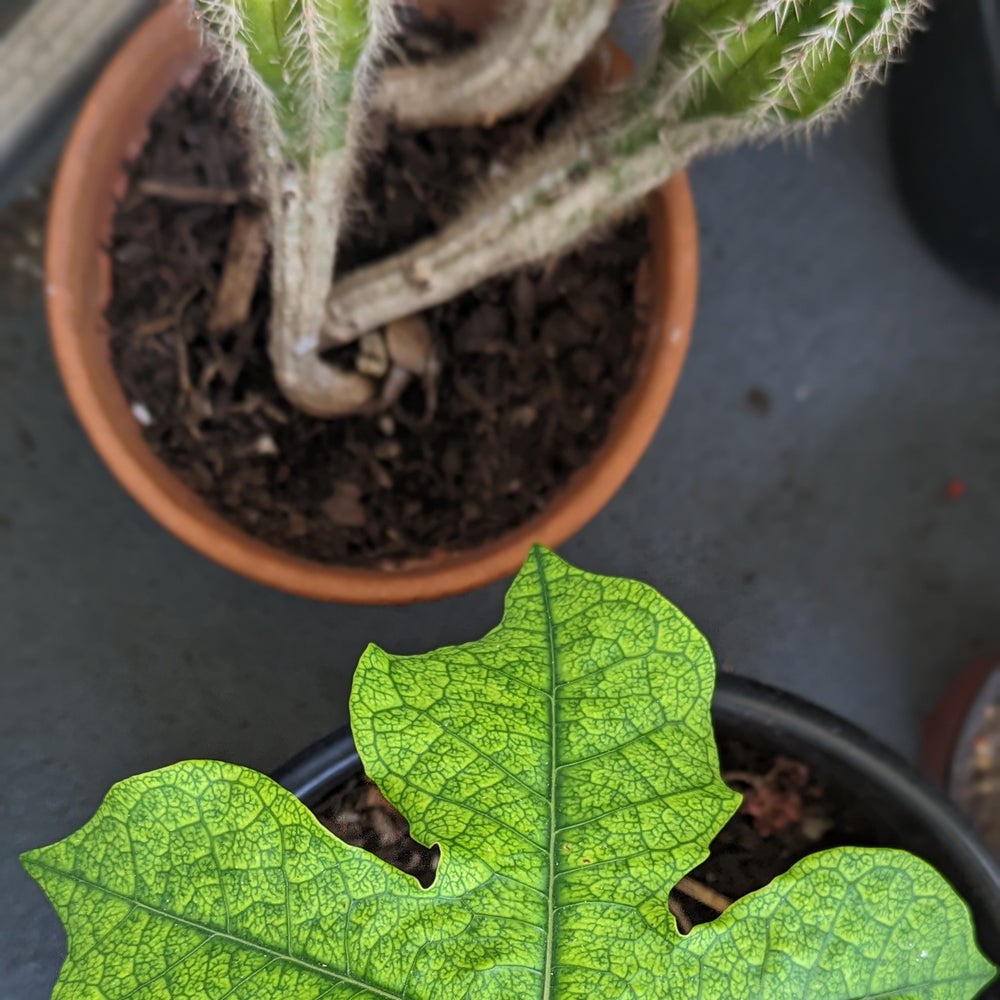
🧘♂️ 5 Perfect Spots to Plant Your Buddha Belly Plant
Jatropha podagrica
By the Greg Editorial Team
Nov 08, 2024•5 min read
This article was created with the help of AI so we can cover more plants for you. May contain errors. See one? Report it here.
Cultivate a thriving garden for your Buddha Belly Plant with expert tips on light, soil, and companions! 🌿
- 🌞 Assess sunlight and shade to find the ideal spot for your Buddha Belly Plant.
- 🌿 Microclimates enhance growth; choose sheltered areas for warmth and protection.
- 🌱 Proper spacing and drainage are crucial for thriving Buddha Belly Plants.
Assessing the Best Spot
🌞 Evaluating Sunlight and Shade Patterns
To ensure your Buddha Belly Plant thrives, start by observing sunlight patterns in your garden. Spend a day tracking how light and shade shift across your chosen area.
The best times for planting are early morning or late afternoon. This timing helps avoid heat stress, giving your plant a better chance to establish itself.
As seasons change, so does sunlight exposure. Keep this in mind to ensure your plant receives the right amount of light year-round.
🌱 Microclimates in Your Garden
Microclimates are unique areas within your garden that experience different climate conditions. Identifying these spots can significantly enhance your plant's growth.
Look for sheltered areas, heat-retaining surfaces, or spots with consistent moisture. These microclimates can provide the warmth and protection your Buddha Belly Plant needs.
Utilizing these microclimates effectively can lead to a healthier plant. Position your Buddha Belly Plant where it can benefit from these favorable conditions.
🏡 Proximity to Structures and Other Plants
When planting, maintain a distance of at least 2-3 feet from walls or fences. This space allows for proper air circulation, which is crucial for your plant’s health.
Consider companion planting with other tropical plants that share similar light and moisture needs. This strategy not only enhances biodiversity but also creates a more vibrant garden.
Avoid overcrowding by ensuring adequate space for growth. This prevents competition for resources, allowing each plant to flourish.
With the right spot chosen, your Buddha Belly Plant will have the best chance to thrive. Next, let’s explore environmental considerations that will further support its growth.
Environmental Considerations
🌬️ Wind Protection Strategies
Wind can be a silent enemy to your Buddha Belly Plant. Strong gusts can damage leaves and lead to moisture loss, so it's crucial to provide adequate protection.
To shield your plant from harsh winds, consider using taller plants or structures as natural windbreaks. These can create a buffer zone that helps maintain a stable environment for your Buddha Belly Plant.
Additionally, you can create barriers with trellises or fences. These not only offer protection but can also add an aesthetic element to your garden.
🚰 Drainage Needs and Solutions
Proper drainage is vital for the health of your Buddha Belly Plant. Poor drainage can lead to water accumulation, which can suffocate roots and promote rot.
Start by assessing the drainage of your planting area. Avoid low spots where water tends to pool, as these can be detrimental to your plant's health.
If you encounter poor drainage, consider incorporating sand or gravel into your soil mix. This will help improve drainage and create a more hospitable environment for your plant.
For those opting for container planting, ensure your pots have drainage holes. This allows excess moisture to escape, keeping your plant happy and healthy on patios or indoors.
With these environmental considerations in mind, you can create a thriving space for your Buddha Belly Plant. Next, let's explore companion planting and how to design a garden layout that enhances your plant's growth and beauty.
Companion Planting and Garden Design
🌱 Best Companion Plants for Buddha Belly Plant
When selecting companions for your Buddha Belly Plant, consider tropical favorites like hibiscus, ferns, and philodendrons. These plants not only thrive in similar conditions but also enhance the overall aesthetic of your garden.
Companion planting offers numerous benefits. It boosts biodiversity, attracts beneficial insects, and promotes healthier plants. However, be mindful of competition; ensure your companions share similar light and water needs to avoid stressing your Buddha Belly Plant.
🏡 Designing a Garden Layout with Buddha Belly Plant
To create a stunning garden layout, position your Buddha Belly Plant as a focal point in beds or borders. This placement draws the eye and adds a unique charm to your space.
Layering is key for visual interest. Place taller plants behind your Buddha Belly Plant and shorter ones in front to create depth. Additionally, incorporate pathways that allow easy access for maintenance and enjoyment, ensuring your garden remains both beautiful and functional.
With these design tips, you can cultivate a vibrant garden that showcases your Buddha Belly Plant while promoting a harmonious ecosystem. Next, let’s explore common location challenges and how to overcome them.
Common Location Challenges
Addressing Poor Soil Conditions 🌱
Identifying poor soil is crucial for the health of your Buddha Belly Plant. Look for signs like compacted soil, poor drainage, and a lack of nutrients.
To improve soil quality, amend it by incorporating organic matter such as compost. This addition enhances soil structure and fertility, providing a better environment for your plant to thrive.
Before planting, conduct a soil test to determine pH and nutrient levels. This step ensures you understand your soil's condition and can make informed amendments.
Solutions for Excessive Shade or Sunlight ☀️
Excessive shade can hinder your Buddha Belly Plant's growth. If you notice your plant struggling, consider relocating it to a sunnier spot or selectively pruning surrounding plants to allow more light.
On the flip side, if your plant is getting too much sunlight, provide temporary shade using cloth or other materials during peak sun hours. This protection can prevent leaf burn and other stress signs.
Regularly monitor your plant's health for signs of stress, such as leaf burn or leggy growth. Adjusting its location as needed will help maintain its vitality and beauty.
With these strategies in mind, you can create an ideal environment for your Buddha Belly Plant to flourish. Next, let's explore the importance of companion planting and how it can enhance your garden design.
⚠️ Safety First
This content is for general information and may contain errors, omissions, or outdated details. It is not medical, veterinary advice, or an endorsement of therapeutic claims.
Always consult a qualified healthcare professional before using any plant as food, medicine, or supplement.
Never eat any plant (or feed one to pets) without confirming its identity with at least two trusted sources.
If you suspect poisoning, call Poison Control (800) 222-1222, the Pet Poison Helpline (800) 213-6680, or your local emergency service immediately.
Spotted an error? Please report it here.
Transform your garden into a Buddha Belly paradise 🌿 with Greg's tailored care reminders and tips for optimal placement, ensuring your plant thrives beautifully!