How to Know When to Repot a Buddha Belly Plant?
Jatropha podagrica
By the Greg Editorial Team
Jun 18, 2024•4 min read
This article was created with the help of AI so we can cover more plants for you. May contain errors. See one? Report it here.
Revitalize your Buddha Belly Plant's 🌿 zest for life with timely repotting secrets!
- Slow growth or leaf drop signals it's repotting time.
- 🌱 Repot in early spring during the growth phase.
- Choose the right pot and mix for healthy roots and drainage.
Spotting the Tell-Tale Signs It's Time for a New Home
🌱 Roots on the Run
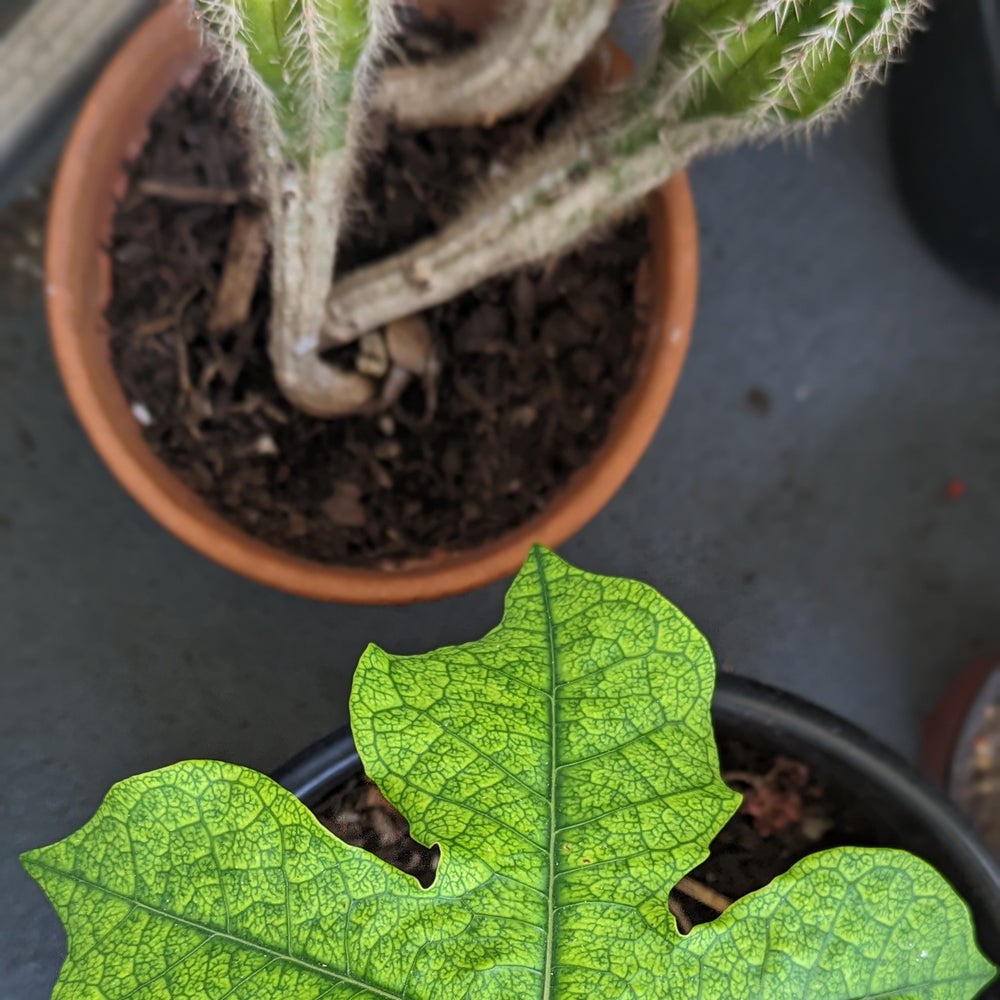
Roots peeking out of drainage holes or circling the topsoil are your Buddha Belly Plant's version of waving a white flag. It's cramped in there.
📉 Growth Gets Grumpy
When your plant's growth slows to a snail's pace or it starts dropping leaves like hot potatoes, it's not just being dramatic—it's stressed.
🕰 Timing is Everything
Early spring or the onset of the growth phase is prime time for repotting. It's like catching your plant on the upswing—ready for change.

Choosing the Right Pot and Potting Mix
🏺 Material Matters
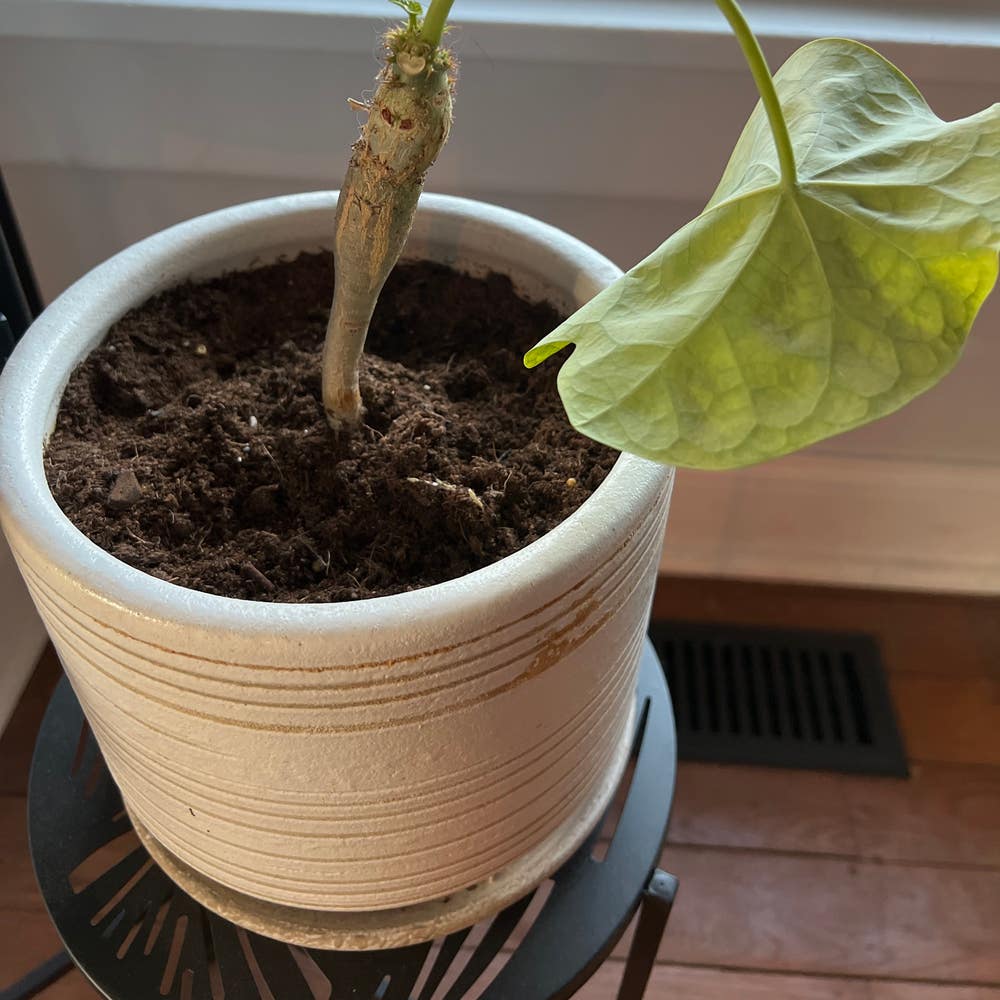
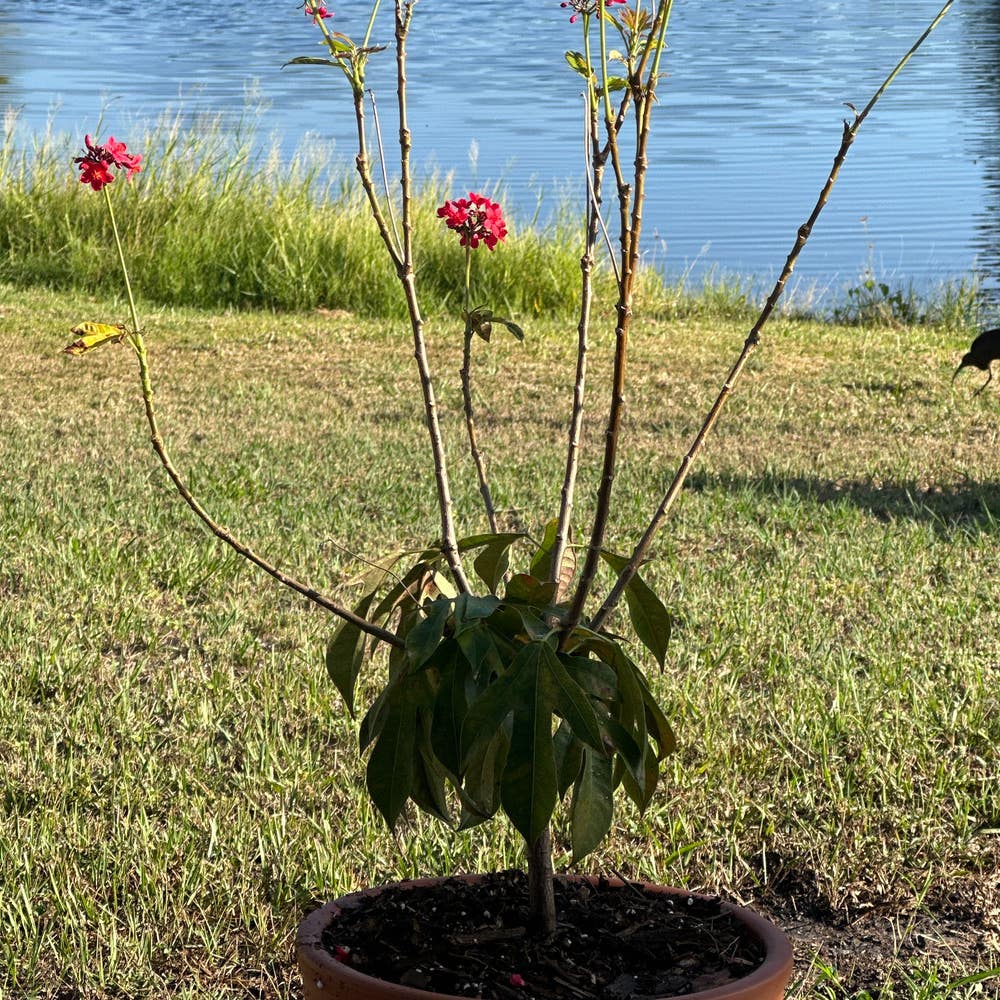
Terracotta, ceramic, and plastic pots each bring their own game to the table. Terracotta is the MVP for breathability, wicking away moisture like a pro and preventing root rot. However, it's also the heavyweight champion, so if you're into redecorating often, it might throw out your back. Ceramic pots are the runway models—sleek, stylish, and waterproof. But just like terracotta, they're heavy and can be pricey. Plastic pots? Lightweight and cheap, they're the everyman's choice. Yet, they hold moisture longer, which can be a death sentence for overwatered Buddha Belly Plants.
🍹 The Mix Down
Choosing the right potting mix is like crafting a fine cocktail for your Buddha Belly Plant. Drainage is key—nobody likes wet feet, plants included. A mix of coco coir, perlite, and pine bark fines will give your plant the VIP drainage it craves. Steer clear of garden soil; it's like inviting pests and diseases to a house party. If you're eco-conscious, ditch the peat and go for sustainable alternatives like leaf mold or fir bark. And remember, quality matters—cheap mixes can be a hotbed for pathogens. Aim for a mix that's light, fluffy, and ready to let those roots breathe.

The Repotting Rundown
🌱 Gentle Goodbyes
Gently coax your Buddha Belly Plant from its current pot. If the roots resist, use a chopstick or a knife to encourage their release without damage. Remember, roots are not spaghetti; untangle them with care.
🏺 New Pot Prep
Choose a new pot that's a size or two larger than the old one, ensuring it has proper drainage holes. Cover these holes with netting or gauze to keep soil in and pests out. Fill the bottom with a layer of fresh, nutrient-rich potting mix.
🌿 Settling In
Place the plant in its new pot, maintaining the same depth it was accustomed to. Backfill with more potting mix, tapping the pot to settle the soil snugly around the roots. Water the plant to quench its thirst, but don't flood it—think refreshing drink, not a soaking bath.

Post-Repot Recovery
🌱 First Aid for Freshly Potted Plants
After the repotting hustle, your Buddha Belly Plant needs some TLC to bounce back. Here's how to nurse it back to its quirky, rotund glory.
💧 Watering Wisdom
Water thoroughly post-repot, but don't turn the pot into a swamp. Let the top inch of soil dry out before going in with the watering can again. Overwatering is the helicopter parenting of plant care – well-intentioned but suffocating.
🌟 Light the Way
Keep lighting consistent. If your plant was basking in bright, indirect light before, don't switch it up now. Think of it as keeping the ambiance steady for your plant's recovery room.
🚩 Stress Symptoms
Yellow leaves? Droopy posture? Your plant's waving red flags. Adjust care as needed. It's not being dramatic; it's showing you it's in a rough spot.
🍃 Hold the Fertilizer
Ease up on the feed. Give your plant a nutrient vacation for the first few weeks post-repot. It's like skipping the heavy dessert after a big move – better for recovery.
🔒 Consistency is Key
Stick to a routine. Plants thrive on stability, so keep the post-repot care steady. It's less about grand gestures and more about the daily grind of attentive care.
⚠️ Safety First
This content is for general information and may contain errors, omissions, or outdated details. It is not medical, veterinary advice, or an endorsement of therapeutic claims.
Always consult a qualified healthcare professional before using any plant as food, medicine, or supplement.
Never eat any plant (or feed one to pets) without confirming its identity with at least two trusted sources.
If you suspect poisoning, call Poison Control (800) 222-1222, the Pet Poison Helpline (800) 213-6680, or your local emergency service immediately.
Spotted an error? Please report it here.
Repot with confidence 🌿 - let Greg remind you when it's time and guide you with the perfect potting mix and post-care for your Buddha Belly Plant.