Everything You Need to Know About Spurge Family
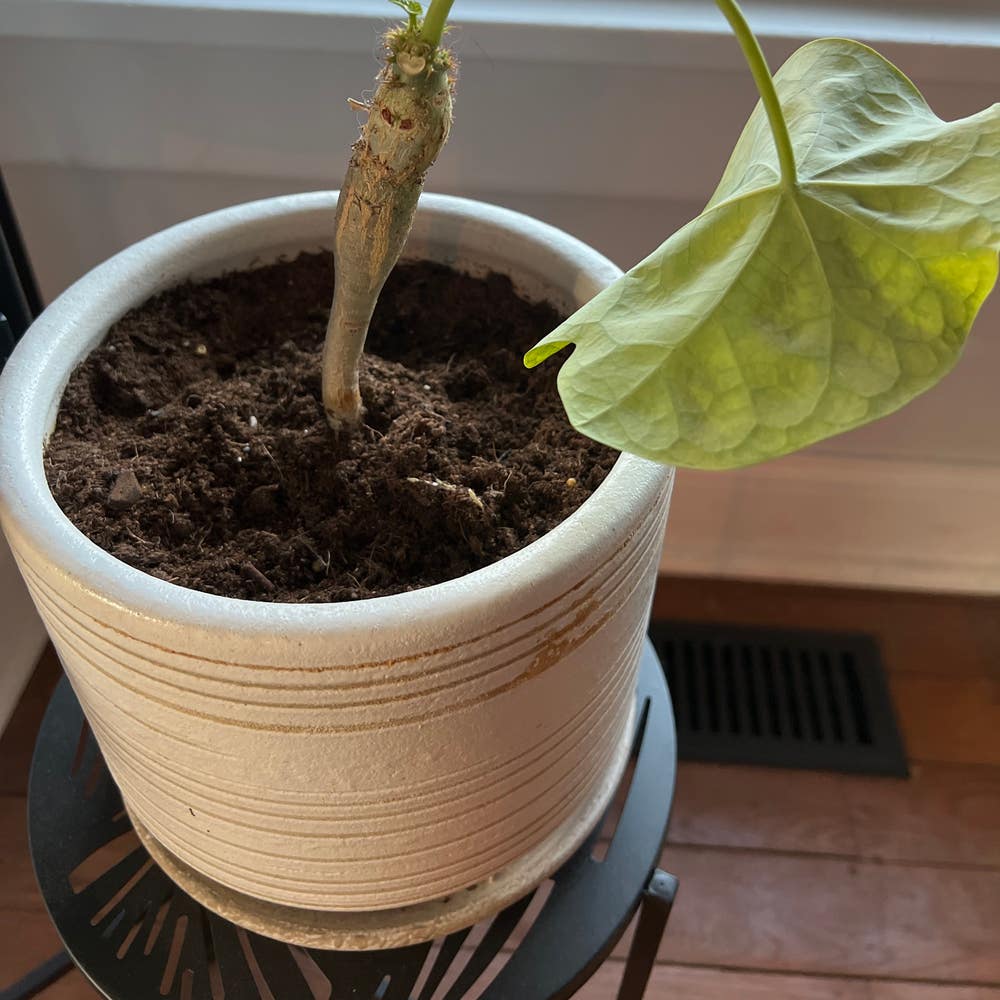
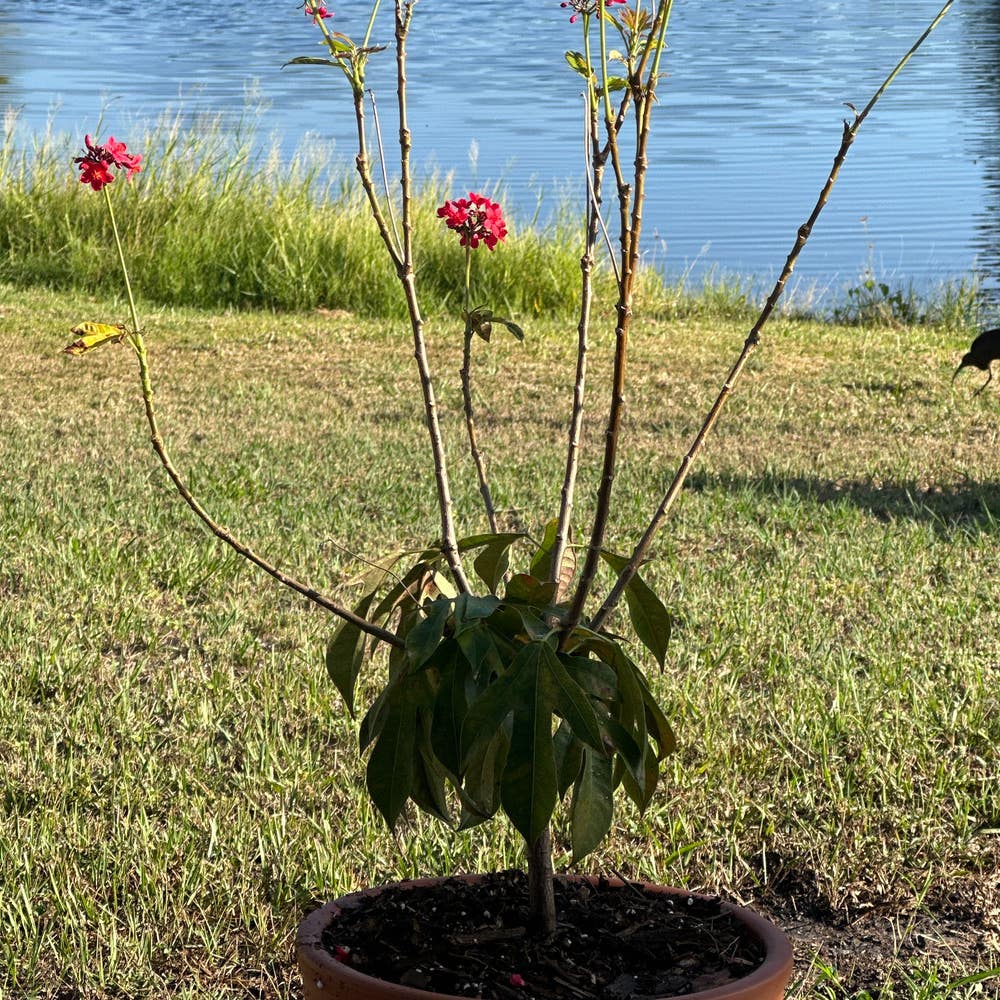
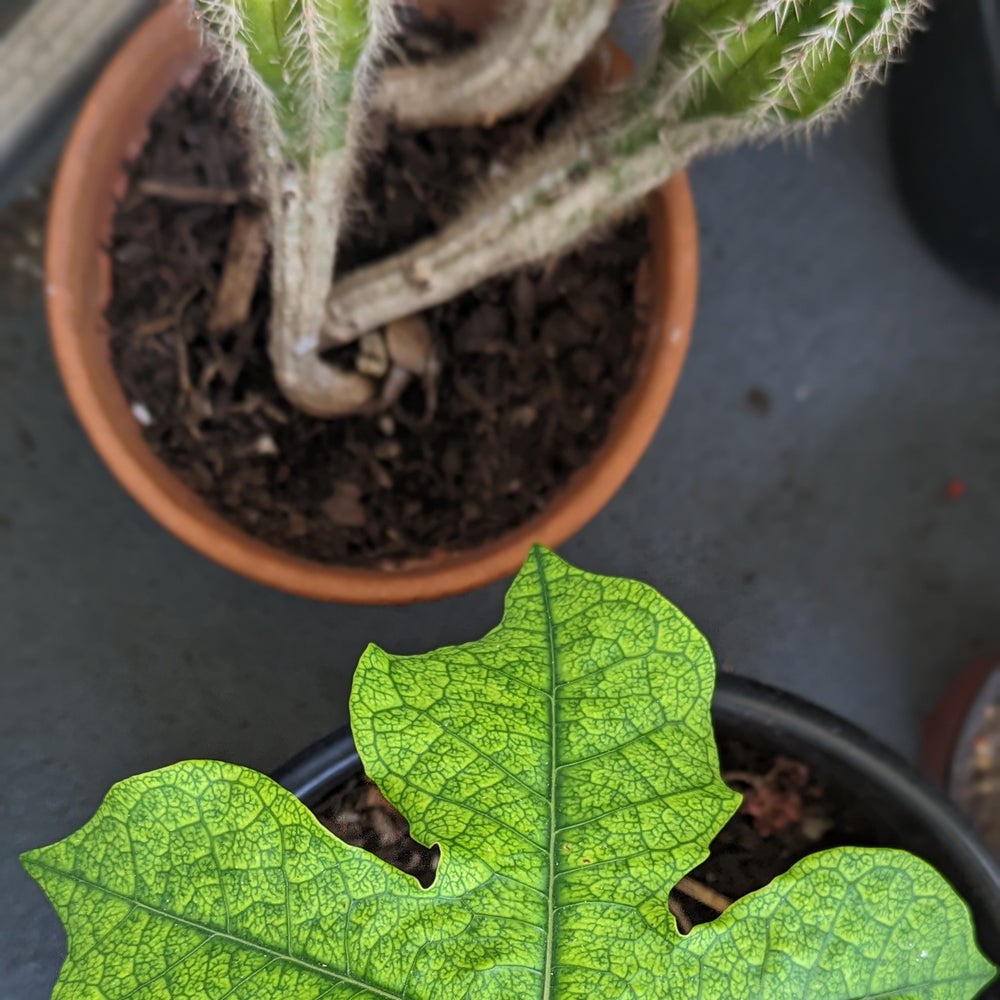
Jatropha podagrica
By the Greg Editorial Team
Jan 24, 2025•12 min read
This article was created with the help of AI so we can cover more plants for you. May contain errors. See one? Report it here.
Discover how to cultivate resilient Spurge family plants 🌱 that beautify your garden and thrive in any environment!
- 🌞🌱 Spurge family thrives in full sun and is drought-tolerant, perfect for warm climates.
- ⚠️ Some Spurge varieties are toxic; handle with care to ensure safety for pets and humans.
- 🌿✂️ Prune and fertilize regularly to maintain health and aesthetic appeal of Spurge plants.
How to Grow Spurge Family
Choosing a Location 🌞
When selecting a location for your Spurge family plants, aim for full sun to partial shade. These plants thrive in warm conditions and exhibit drought tolerance, making them perfect for sunny spots.
Soil Preparation 🏜️
For optimal growth, use well-draining sandy or loamy soil. The ideal soil pH ranges from slightly acidic to neutral, between 6.0 and 7.0.
Planting Techniques 🌱
Plant seeds at a depth of 1-2 inches to ensure proper germination. Space mature plants 12-24 inches apart to allow for healthy growth and airflow.
Watering Requirements 🚰
Water your Spurge family plants by allowing the soil to dry out between waterings. Watch for signs of overwatering, such as yellowing leaves, or underwatering, indicated by wilting.
Fertilizing Tips 🍽️
During the growing season, provide light feeding to support growth. Use balanced NPK or slow-release fertilizers to nourish your plants without overwhelming them.
Pruning Methods ✂️
Prune your Spurge family plants in early spring, just before new growth begins. Focus on removing dead or damaged stems and shaping the plants for aesthetic appeal.
Ongoing Care for Outdoor and Container Growing 🛡️
For container care, ensure proper drainage and choose an appropriate pot size. When growing outdoors, apply mulch and monitor for pests to keep your plants healthy and thriving.
With these tips, you’ll be well on your way to cultivating a vibrant Spurge family garden. Next, let’s explore how to propagate these resilient plants for even more growth!
Propagation
Seed Propagation 🌱
Spring is the ideal time for seed propagation of the Spurge family. Ensure warm temperatures and adequate moisture to promote successful germination.
Cutting Propagation ✂️
For cutting propagation, select healthy cuttings that are 4-6 inches long. Use a rooting medium that combines perlite and peat for optimal results.
Division Propagation 🔄
Dividing your Spurge plants every few years in spring or fall can rejuvenate their growth. Carefully separate the root clumps and replant them to encourage new development.
With these propagation methods, you can easily expand your Spurge family collection and enjoy their unique beauty in your garden. Next, let’s explore the lifecycle of these fascinating plants.
Lifecycle
Classification 🌱
The Spurge family primarily consists of perennial plants, which means they live for more than two years. This classification allows them to thrive in various environments, making them a popular choice for gardeners.
Stages of Growth 🌿
Understanding the growth stages of Spurge family plants can enhance your gardening experience.
- Germination: Seeds typically germinate within 7-14 days under optimal conditions.
- Seedling Stage: This stage is marked by the appearance of the first true leaves, indicating healthy growth.
- Vegetative Growth: During this phase, plants experience rapid leaf and stem development, establishing a robust structure.
- Flowering: Most species bloom in late spring to summer, showcasing their unique flowers.
- Seed Production: After flowering, seeds develop in capsules, ready to continue the cycle.
Growth Timeline and Speed ⏳
The time it takes for Spurge family plants to reach maturity varies by species, generally ranging from 1 to 3 years. Their growth rate can be moderate to fast, influenced by factors like soil quality and environmental conditions.
By understanding these lifecycle stages, you can better appreciate the resilience and beauty of the Spurge family in your garden. This knowledge also sets the stage for effective care and maintenance, ensuring your plants thrive.
Size
Mature Height and Spread 🌱
The Spurge family showcases a diverse range of sizes, with mature heights typically ranging from 1 to 6 feet. Their spread can vary as well, generally falling between 1 to 3 feet, depending on the specific species.
Growth Rate and Size Variability 📈
Several factors influence the size of Spurge plants. Soil quality, water availability, and light exposure all play crucial roles in determining how tall and wide these plants will grow.
Impact of Growing Conditions on Size 🌧️
Growing conditions significantly affect the dimensions of Spurge plants. For instance, drought can stunt growth, while excess moisture may lead to lush foliage but could also compromise the plant's overall health.
Understanding these aspects can help you cultivate a thriving Spurge family in your garden. Next, let’s explore the fascinating root systems that support these resilient plants.
Roots
Root System Characteristics 🌱
The Spurge family typically features either fibrous or taproot systems. These roots are essential for anchoring the plant and accessing nutrients.
Root Depth and Spread 📏
On average, the roots of Spurge plants extend 12-24 inches deep. They can also spread wider than the plant's canopy, allowing for better stability and resource acquisition.
Common Root-Related Issues ⚠️
Root rot is a common problem that can plague Spurge plants. Symptoms include wilting and yellowing leaves, while prevention methods involve ensuring well-draining soil and avoiding overwatering.
Identifying healthy roots is crucial for plant health. Healthy roots are usually firm and white, while unhealthy roots may appear brown and mushy.
Recognizing Rootbound Plants 🪴
Stunted growth and roots growing out of drainage holes are signs of rootbound plants. If you notice these symptoms, it’s time to consider repotting.
Repotting should be done carefully, ideally during the spring or fall when the plant is less stressed. This allows the roots to spread out and access more nutrients, promoting healthier growth.
Benefits
Top 5 Benefits of Growing Spurge Family 🌱
Growing the Spurge family offers a range of benefits that can enhance your garden and support the environment.
1. Drought Tolerance
Spurge plants are champions of drought tolerance. Their low water needs make them perfect for xeriscaping, allowing you to conserve water while maintaining a vibrant garden.
2. Aesthetic Appeal
With their unique foliage and striking flowers, Spurge family members add a distinctive touch to any landscape. Their diverse colors and shapes can elevate the beauty of your garden.
3. Wildlife Attraction
These plants are not just pretty; they also attract wildlife. Spurge provides essential habitat for pollinators like bees and butterflies, contributing to a healthy ecosystem.
4. Medicinal Uses
Some species of Spurge have traditional medicinal applications. While not all are safe for consumption, certain varieties have been used in herbal remedies for various ailments.
5. Soil Improvement
The deep roots of Spurge plants play a crucial role in soil health. They help aerate and enrich the soil, promoting better drainage and nutrient availability for surrounding plants.
Incorporating Spurge into your garden not only beautifies your space but also supports biodiversity and soil health. Next, let’s explore the concept of companion planting and how it can further enhance your gardening experience.
Companion Plants
🌱 Concept of Companion Planting
Companion planting is a gardening strategy that pairs plants together for mutual benefits. This technique enhances pest management, promotes improved growth, and increases garden diversity.
🌼 Best Companion Plants for Spurge Family
When growing Spurge Family plants, consider companions like lavender and marigolds. These plants not only add beauty but also possess pest-repellent properties that can protect your garden.
🚫 Plants to Avoid Near Spurge Family
It's wise to avoid planting other Euphorbia species near your Spurge Family. They compete for resources, which can hinder growth and overall health.
By carefully selecting companion plants, you can create a thriving garden ecosystem that benefits all your plants. This thoughtful approach will help you maximize the potential of your Spurge Family while minimizing challenges.
Toxicity to Humans
🌿 Toxic Parts of Spurge Family
The Spurge family, known for its unique appearance, contains several toxic parts. The leaves, stems, and sap can be harmful if mishandled.
☠️ Poisonous Compounds and Symptoms
One of the primary toxic compounds is Euphorbia latex, a milky sap that can cause serious reactions. Symptoms of exposure include nausea, vomiting, diarrhea, and abdominal pain, making it crucial to handle these plants with care.
⚠️ Exposure Risks and Medical Guidance
Poisoning can occur through ingestion, sap exposure, or even inhalation of smoke from burning the plant. If severe symptoms arise, seek medical care immediately to ensure safety and proper treatment.
Understanding these risks can help you enjoy the beauty of the Spurge family while keeping yourself and others safe. Always prioritize caution when working with these fascinating plants.
Edible
Edible Parts of Spurge Family 🌱
Not all members of the Spurge family are toxic; some Euphorbia varieties offer edible parts. It's essential to identify these species correctly to enjoy their benefits safely.
Harvesting Techniques ✂️
When harvesting, distinguishing between edible and toxic parts is crucial. Use careful cutting techniques to avoid exposure to the plant's milky sap, which can cause irritation.
Nutritional Value and Health Benefits 🥗
Certain Euphorbia species provide vitamins and minerals that contribute to a balanced diet. However, misidentification can lead to risks, so always double-check before consuming any part of the plant.
This exploration of the edible aspects of the Spurge family highlights the importance of knowledge and caution. As we move forward, let’s delve into the potential toxicity of these plants for pets, ensuring a safe environment for our furry friends.
Toxicity to Dogs
Toxic Parts and Symptoms of Poisoning 🐶
The spurge family contains toxic components primarily in its leaves and stems. If ingested, dogs may exhibit symptoms such as drooling, vomiting, diarrhea, and weakness.
Exposure Risks and Prevention Measures 🚫
Poisoning can occur through ingestion of the plant or exposure to its sap. To prevent incidents, supervise your pets outdoors and consider removing spurge plants from your garden.
By being aware of these risks, you can enjoy your garden while keeping your furry friends safe. Next, let’s explore the toxicity of spurge family plants to cats.
Toxicity to Cats
Toxic Parts and Symptoms of Poisoning 🐱
The spurge family can be harmful to our feline friends. The toxic parts include the leaves and stems, which contain compounds that can lead to serious health issues.
If a cat ingests these parts, symptoms may include drooling, vomiting, diarrhea, and weakness. It's essential to monitor your pet closely if you suspect they have come into contact with spurge.
Exposure Risks and Prevention Measures 🚫
Poisoning can occur through ingestion or even sap exposure, which can happen if a cat brushes against the plant.
To keep your furry companions safe, consider keeping cats indoors, especially in areas where spurge is present. Supervision during outdoor time can also help prevent any accidental encounters with these toxic plants.
Problems
Common Problems Faced When Growing Spurge Family 🌱
Growing Spurge Family plants can be rewarding, but they come with their share of challenges. Understanding these common problems will help you maintain a healthy garden.
Incorrect Watering 🚰
Watering is crucial for plant health. Overwatering can lead to root rot, where roots become mushy and dark, while underwatering causes wilting and dry leaves.
Incorrect Light Conditions ☀️
Light is another vital factor. Too much sunlight can scorch leaves, causing browning and crispy edges, while too little light may result in leggy growth and pale foliage.
Diseases 🦠
Fungal diseases can plague your Spurge Family. Look out for powdery mildew, which appears as a white coating on leaves, and blight, which can cause dark spots and leaf drop.
Root Problems 🌿
Healthy roots are essential for plant vitality. Root rot is a common issue, identifiable by a foul smell and soft, discolored roots. Ensure your plants are in well-draining soil to prevent this.
Leaf Issues 🍃
Leaf problems can signal underlying issues. Scorched leaves indicate too much sun, while yellowing may suggest nutrient deficiencies or overwatering. Fuzzy growth can be a sign of pests or diseases.
By recognizing these problems early, you can take action to ensure your Spurge Family thrives. Next, let’s explore how to manage pests that may affect your plants.
Bugs
🛡️ Pest Resistance and Susceptibility
The Spurge family is known for its impressive pest resistance, making it a resilient choice for gardeners. However, they are not completely immune and can still fall prey to certain pests.
🐜 Common Pests Affecting Spurge Family
Spider Mites
Spider mites are tiny pests that can wreak havoc on your Spurge plants. Look for fine webbing on leaves and stippling, which indicates damage.
Mealybugs
Mealybugs can be identified by their white, cottony appearance on stems and leaves. If you notice a sticky residue or yellowing leaves, it's time to take action.
Aphids
Aphids are small, soft-bodied insects that cluster on new growth. They can cause curling leaves and stunted growth, so monitor your plants closely for these signs.
💧 Treatment Options
For spider mites, a strong blast of water can dislodge them, while insecticidal soap works well against mealybugs and aphids. Regular inspections and prompt treatment can keep your Spurge family thriving.
As you care for your Spurge plants, staying vigilant against pests will ensure they remain healthy and vibrant. Next, let’s explore the common problems you might encounter while growing these resilient plants.
What Eats Spurge Family
🦌 Common Animals That Damage Spurge Family
Spurge family plants can attract a variety of hungry critters. Common culprits include deer, rabbits, squirrels, and rodents, all of which may find these plants irresistible.
🕵️♂️ Signs of Animal Presence and Damage
Identifying signs of animal activity is crucial for protecting your spurge. Look for chewed leaves, broken stems, or droppings around the plants, which indicate that wildlife has been feasting on your garden.
🚫 Deterrent Methods for Managing Animal Interactions
To keep these pests at bay, consider both chemical and organic control methods.
- Chemical deterrents: Use commercial repellents designed to deter deer and rabbits.
- Organic options: Try sprinkling cayenne pepper or using garlic spray, which can effectively ward off unwanted visitors.
By implementing these strategies, you can help safeguard your spurge family plants and enjoy their beauty without the worry of animal damage.
⚠️ Safety First
This content is for general information and may contain errors, omissions, or outdated details. It is not medical, veterinary advice, or an endorsement of therapeutic claims.
Always consult a qualified healthcare professional before using any plant as food, medicine, or supplement.
Never eat any plant (or feed one to pets) without confirming its identity with at least two trusted sources.
If you suspect poisoning, call Poison Control (800) 222-1222, the Pet Poison Helpline (800) 213-6680, or your local emergency service immediately.
Spotted an error? Please report it here.
Transform your garden into a vibrant oasis 🌼 with Spurge family plants, and let Greg guide you with tailored watering alerts and expert care tips for thriving growth!