🧘 What to Know About Growing Your Buddha's Palm Plant Outdoors
Jatropha podagrica
By the Greg Editorial Team
Oct 19, 2024•6 min read
This article was created with the help of AI so we can cover more plants for you. May contain errors. See one? Report it here.
Cultivate a vibrant Buddha's Palm 🌴 with essential care tips for every season and thrive in your garden!
- 🌞 Buddha's Palm thrives in full sun but needs protection from harsh afternoon rays.
- 💧 Consistent moisture is key; never let the soil dry out completely for optimal growth.
- 🌱 Well-draining soil with pH 6.0-7.0 is essential for healthy Buddha's Palm development.
Outdoor Care Requirements
🌞 Sunlight Needs and Ideal Placement
Buddha's Palm thrives in full sun but can also tolerate partial shade. In hotter climates, it's crucial to avoid direct afternoon sun to prevent leaf scorch.
💧 Watering Requirements and Frequency
Consistent moisture is vital for your Buddha's Palm; never let the soil dry out completely. Watering frequency should be adjusted based on your local climate and the season, ensuring the plant remains hydrated.
🌱 Soil Preferences and Amendments
This plant prefers well-draining soil, ideally a sandy or loamy mix. Aim for a soil pH between 6.0 and 7.0, and consider adding organic matter to enhance drainage and fertility.
🌿 Fertilization Schedule and Types of Fertilizers
For optimal growth, use balanced NPK fertilizers. Fertilize every 4-6 weeks during the growing season to keep your Buddha's Palm healthy and vibrant.
With these outdoor care requirements in mind, you’ll be well on your way to nurturing a thriving Buddha's Palm. Next, let’s explore the various planting options available for your space.
Planting Options
Benefits and Drawbacks of Container Planting 🌱
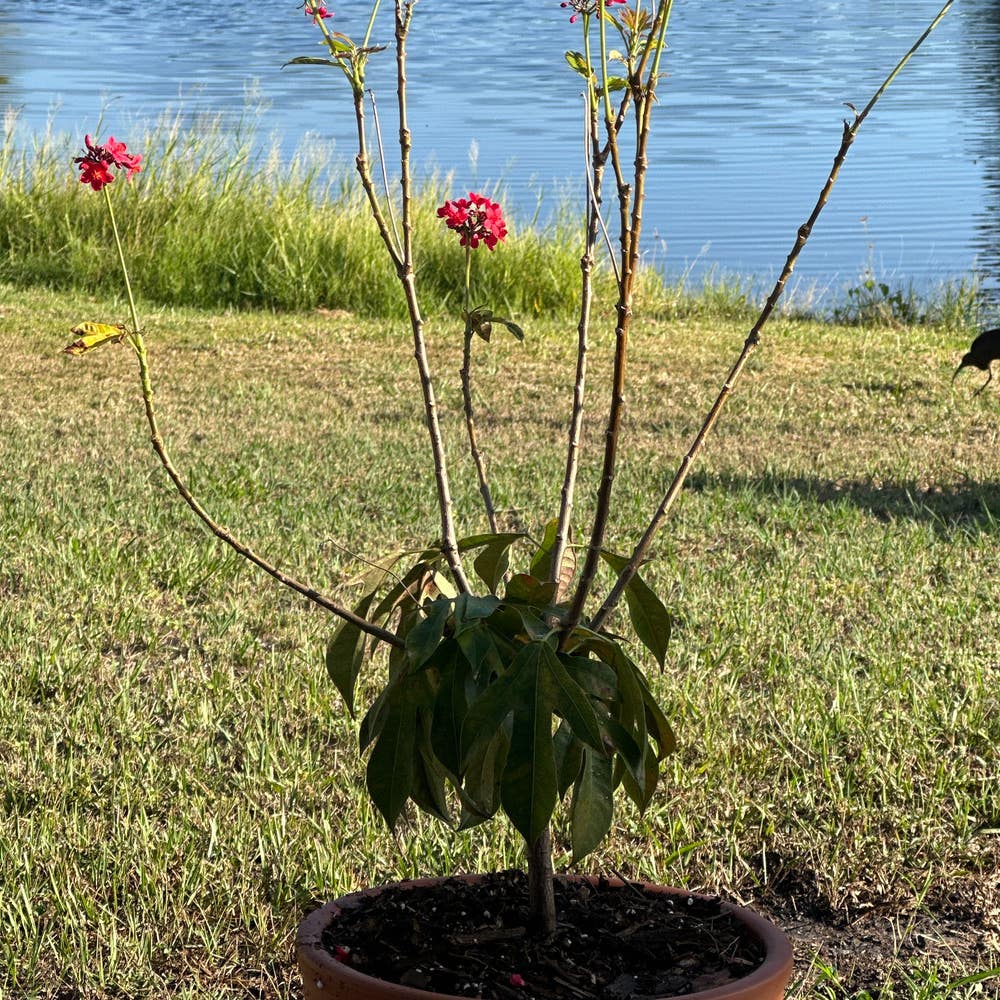
Container planting offers remarkable mobility. You can easily relocate your Buddha's Palm based on seasonal changes, ensuring it receives optimal sunlight and protection from harsh weather.
Another advantage is the control over soil quality and drainage. You can customize the potting mix to suit your plant's needs. However, limited root space can lead to stunted growth, as the plant may not thrive in a confined environment. Additionally, containers tend to dry out faster, resulting in increased watering needs.
Benefits and Drawbacks of In-Ground Planting 🌍
In-ground planting provides more space for root development, which promotes healthier growth. The natural soil also offers moisture retention, reducing the frequency of watering.
On the downside, you have less control over soil conditions and drainage. This can lead to issues if the soil is too compact or poorly draining. Furthermore, in-ground plants are often more vulnerable to pests and diseases, which can be a significant concern for outdoor gardeners.
How to Choose the Right Option for Your Space 🏡
Choosing the right planting option depends on several factors. Start by assessing available space and climate conditions to determine what will work best for your Buddha's Palm.
Consider your aesthetic preferences and how much maintenance you're willing to commit to. Whether you opt for containers or in-ground planting, each choice has its unique benefits and challenges, so select what aligns with your gardening goals.
With these insights, you're better equipped to make an informed decision about where to plant your Buddha's Palm. Next, let’s explore how to protect your plant from environmental factors.
Protection from Environmental Factors
🌪️ Weather Protection Strategies for Extreme Conditions
Extreme weather can pose significant challenges for your Buddha's Palm. For frost protection, consider using blankets or moving pots indoors during cold snaps.
In hotter climates, intense sun exposure can stress the plant. Utilizing shade cloth can help mitigate this, ensuring your palm thrives without burning.
🐜 Common Outdoor Pests and How to Manage Them
Outdoor pests can be a nuisance for your Buddha's Palm. Keep an eye out for common culprits like aphids, spider mites, and scale.
Managing these pests can involve both organic and chemical options. Neem oil and insecticidal soap are effective organic choices, while chemical pesticides can be used if infestations become severe.
🦠 Diseases that Affect Buddha's Palm and Prevention Methods
Buddha's Palm is susceptible to a few diseases, with root rot and leaf spot being the most common. To prevent these issues, ensure proper watering practices and maintain good soil management.
Regularly check for signs of disease and adjust your care routine accordingly. Healthy soil and appropriate watering can make a world of difference in keeping your plant vibrant and disease-free.
With these protective measures in place, your Buddha's Palm will be better equipped to handle environmental challenges. Next, let’s explore how seasonal changes impact care for your plant.
Seasonal Care
Seasonal Changes and Their Impact on Care 🌦️
Seasonal changes significantly influence the growth and health of your Buddha's Palm. Understanding these shifts helps you tailor your care routine to ensure optimal growth throughout the year.
Winter Care Tips for Buddha's Palm ❄️
During winter, protecting your Buddha's Palm from frost is crucial. You can either relocate it indoors or cover it with frost blankets to shield it from harsh conditions.
Adjust your watering frequency during dormancy, as the plant requires less moisture in cooler months. Monitor the soil to prevent overwatering, which can lead to root rot.
Spring Growth and Fertilization Adjustments 🌱
As spring arrives, look for signs of new growth, such as fresh leaves emerging. This is the perfect time to resume fertilizing your plant.
For spring fertilization, opt for a balanced fertilizer and apply it every 4-6 weeks to support vigorous growth. This will help your Buddha's Palm thrive as it awakens from dormancy.
Summer Watering and Heat Management ☀️
Summer brings increased watering needs for your Buddha's Palm. Aim to water more frequently, especially during heatwaves, to keep the soil consistently moist.
Mulching around the base can help retain moisture and regulate soil temperature. This simple step can make a significant difference in keeping your plant healthy during the hottest months.
Fall Preparation for Colder Months 🍂
As fall approaches, it's time to prepare your Buddha's Palm for dormancy. Start reducing watering and fertilization to acclimate the plant to cooler temperatures.
Before winter sets in, conduct final checks for pests and diseases. This proactive approach ensures your plant enters the colder months healthy and ready to rest.
With these seasonal care tips, your Buddha's Palm will flourish year-round, setting the stage for a vibrant growing season ahead.
Climate Zone Considerations
Best Climate Zones for Growing Buddha's Palm Outdoors 🌴
Buddha's Palm thrives best in USDA zones 10-11. These zones provide the warm temperatures and humidity levels that this tropical plant craves.
Adaptation Strategies for Different Climates 🌦️
If you're in a cooler climate, consider creating microclimates. Planting near walls or using windbreaks can help shield your Buddha's Palm from harsh conditions.
Adjust your care practices based on local weather patterns. For instance, you may need to provide extra protection during unexpected cold snaps.
Tips for Growing in Less-Than-Ideal Conditions 🌱
Soil amendments can make a significant difference. Adding organic matter improves drainage and nutrient availability, which is crucial for healthy growth.
Choosing the right planting location is also vital. Aim for spots that maximize sunlight while offering some protection from wind and extreme temperatures.
With these strategies, you can successfully cultivate your Buddha's Palm, even in less-than-ideal conditions. Now, let’s explore seasonal care to keep your plant thriving year-round.
⚠️ Safety First
This content is for general information and may contain errors, omissions, or outdated details. It is not medical, veterinary advice, or an endorsement of therapeutic claims.
Always consult a qualified healthcare professional before using any plant as food, medicine, or supplement.
Never eat any plant (or feed one to pets) without confirming its identity with at least two trusted sources.
If you suspect poisoning, call Poison Control (800) 222-1222, the Pet Poison Helpline (800) 213-6680, or your local emergency service immediately.
Spotted an error? Please report it here.
Transform your outdoor space with a thriving Buddha's Palm 🌴 by using Greg's personalized watering reminders and expert tips to keep it healthy and flourishing all year round!