🧘 Understanding Buddha Belly Plant Height
Jatropha podagrica
By the Greg Editorial Team
Nov 08, 2024•4 min read
This article was created with the help of AI so we can cover more plants for you. May contain errors. See one? Report it here.
Master the art of growing the stunning Buddha Belly Plant 🌱 to perfectly fit your garden's unique space!
- 🌱 Buddha Belly Plants grow 3-6 feet tall; size varies by care and environment.
- 🌞 Optimal light and watering are crucial for healthy growth and size management.
- ✂️ Pruning promotes compact growth; choose dwarf or giant varieties based on space.
Mature Height and Spread
Typical Mature Height 🌱
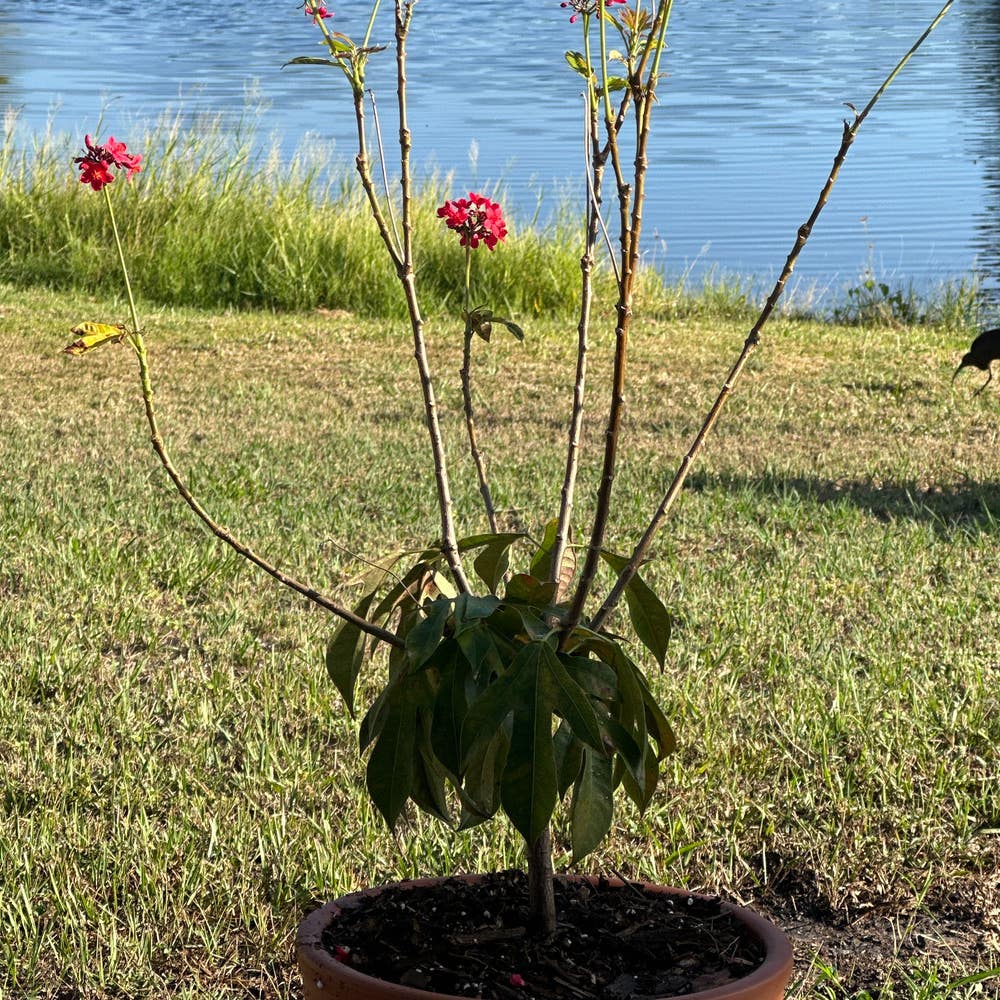
The Buddha Belly Plant typically reaches a mature height of 3 to 6 feet under optimal conditions. Several factors influence this height, including light, water, and soil quality.
Mature Spread 🌿
When it comes to spread, expect a range of 2 to 4 feet. This spread is crucial for both the plant's health and its aesthetic appeal in your garden.
Growth Rate and Time to Maturity ⏳
The average growth rate of the Buddha Belly Plant can vary significantly based on environmental factors. Generally, it takes about 2 to 3 years to reach maturity in ideal conditions, with growth rates differing between various environments.
Understanding these aspects of height and spread will help you cultivate a thriving Buddha Belly Plant that fits beautifully in your space. Next, let’s explore the size variability among different varieties of this fascinating plant.
Size Variability Among Varieties
🌱 Dwarf Varieties
Dwarf Buddha belly plants are a fantastic option for those with limited space. Typically reaching heights of under 2 feet, they thrive in smaller gardens or containers, making them perfect for patios or balconies.
These compact varieties maintain their charm without overwhelming your space. Their manageable size allows for easy care and accessibility, making them a popular choice for urban gardeners.
🌳 Giant Varieties
On the other end of the spectrum, giant Buddha belly plants can soar beyond 6 feet. These impressive specimens require ample space and careful consideration regarding their placement in your garden.
While they offer a striking visual impact, potential growers should be mindful of their size and the care they demand. Proper planning is essential to ensure they fit harmoniously into your landscape.
📏 Size Variability Factors
The size of Buddha belly plants can vary significantly based on the specific variety chosen. Factors such as genetics, environmental conditions, and care practices all play a role in determining how tall or wide these plants will grow.
For gardeners, understanding these differences is crucial when selecting between dwarf and giant varieties. Choosing the right size can enhance your garden's aesthetics and ensure that your plants thrive in their designated space.
Factors Affecting Size
🌍 Environmental Conditions
Light Requirements
To thrive, the Buddha Belly Plant needs optimal light conditions. Ideally, it should receive bright, indirect sunlight for maximum growth; insufficient light can stunt its height and spread, leading to a less vibrant plant.
Watering Practices
Consistent watering is crucial for the Buddha Belly Plant's growth. Both overwatering and underwatering can adversely affect its size, causing stress that may hinder its development.
Soil Quality
The right soil type plays a significant role in promoting healthy growth. Nutrient-rich, well-draining soil supports the plant's mature dimensions, while poor soil quality can limit its potential.
🪴 Container vs. Ground Growth
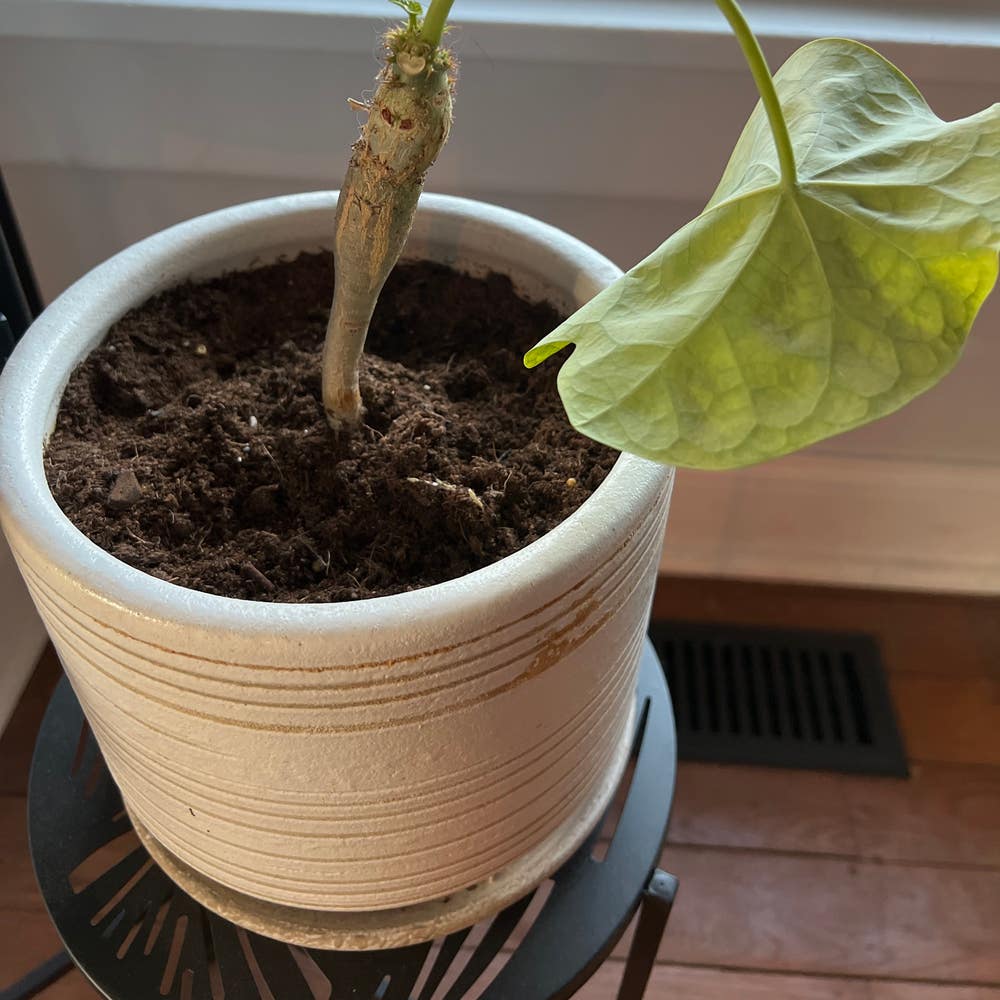
Growing the Buddha Belly Plant in containers often results in smaller size compared to ground growth. Containers can restrict root development, limiting height and spread, so choosing the right pot is essential.
🌡️ Climate Influence on Growth
Tropical climates can significantly enhance the growth of the Buddha Belly Plant, allowing it to reach impressive heights. Conversely, cooler climates may slow growth rates and limit overall size, making environmental conditions a key factor in plant health.
Understanding these factors can help you create the ideal environment for your Buddha Belly Plant, ensuring it flourishes beautifully. Next, we'll explore how to control the size of your plant through various techniques.
Controlling Size
✂️ Pruning Techniques for Size Management
Pruning is essential for managing the size of your Buddha Belly plant. Effective methods include selective trimming of branches and leaves to encourage a more compact growth habit.
Timing is crucial; aim to prune during the growing season for optimal results. Regularly trimming back can help maintain your desired size and promote healthier foliage.
🪴 Growth Control through Containerization
Growing your Buddha Belly plant in a container offers significant size management benefits. Containers restrict root growth, which naturally limits the plant's height and spread.
For best results, choose containers that are at least 12 to 18 inches in diameter. This size allows for adequate root development while keeping the plant manageable.
🌱 Seasonal Pruning Tips
The best seasons for pruning are spring and early summer. During these times, the plant is actively growing, making it easier to shape and control.
To maintain desired dimensions throughout the year, consider light pruning every few months. This practice encourages bushier growth and prevents the plant from becoming leggy.
With these techniques, you can enjoy a beautifully sized Buddha Belly plant that fits perfectly in your space. Next, let’s explore the various factors that influence the size of these unique plants.
⚠️ Safety First
This content is for general information and may contain errors, omissions, or outdated details. It is not medical, veterinary advice, or an endorsement of therapeutic claims.
Always consult a qualified healthcare professional before using any plant as food, medicine, or supplement.
Never eat any plant (or feed one to pets) without confirming its identity with at least two trusted sources.
If you suspect poisoning, call Poison Control (800) 222-1222, the Pet Poison Helpline (800) 213-6680, or your local emergency service immediately.
Spotted an error? Please report it here.
Unlock your Buddha Belly Plant's maximum growth 🌿 with Greg's tailored care reminders and expert tips to ensure it thrives beautifully in your space!