How to Prune Buddha Belly Plant
Jatropha podagrica
By the Greg Editorial Team
Jun 18, 2024•3 min read
This article was created with the help of AI so we can cover more plants for you. May contain errors. See one? Report it here.
Trim your Buddha Belly Plant 🌿 for health and charm with these essential pruning pointers.
- Spring and fall for pruning, aligning with Buddha Belly's growth cycles.
- Visualize, then prune for health and aesthetics, avoiding over-pruning.
- Sterilize tools, water sparingly post-trim to prevent disease and stress.
Timing Your Trims: When to Prune
🌱 Recognizing the Right Time
- Seasonal cues for pruning
- Signs your Buddha Belly Plant is ready for a trim
What to Avoid
- Times of the year to steer clear of pruning

Recognizing the Right Time
Seasonal Cues for Pruning
Spring and fall are your go-to seasons for giving your Buddha Belly Plant a haircut. These times align with the plant's natural growth cycles, making it more resilient to trimming and primed for sprouting fresh foliage.
Signs Your Buddha Belly Plant is Ready for a Trim
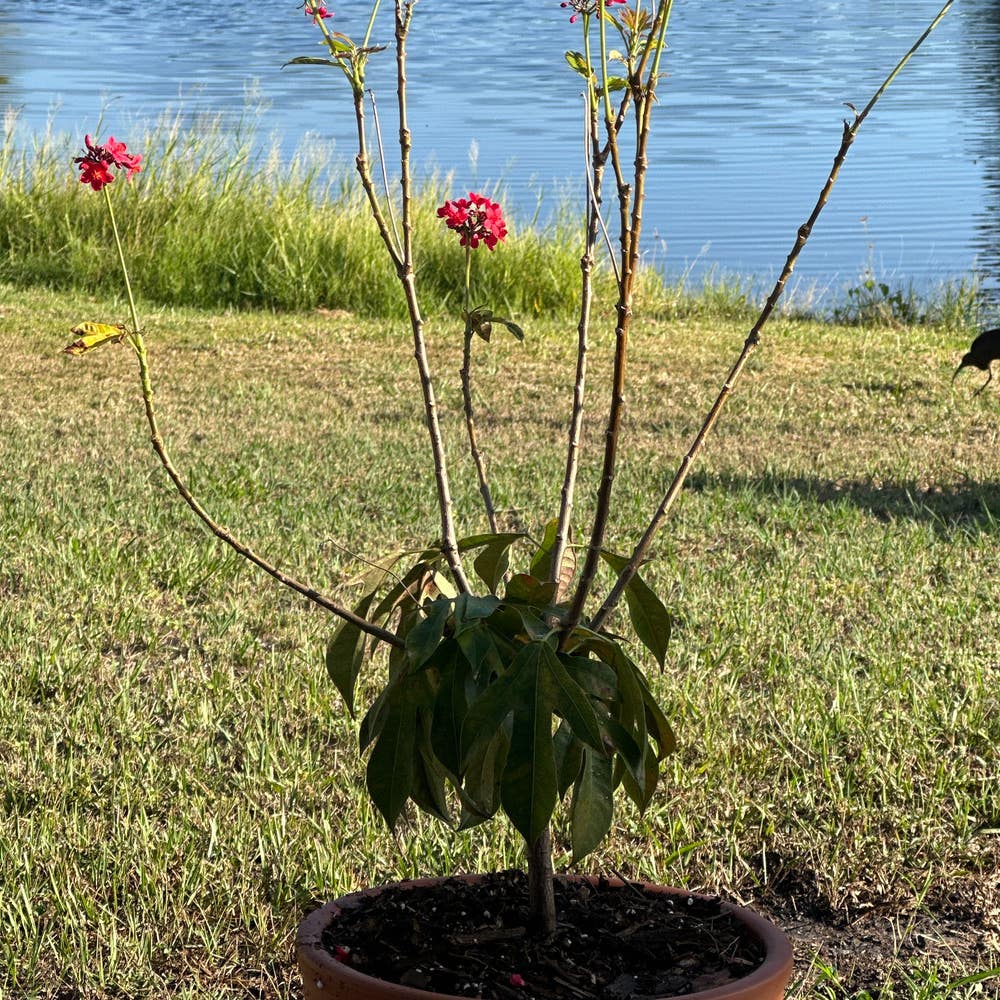
Keep an eye out for dead or excess branches that detract from your plant's quirky charm. If it's starting to look more like a wild bush than a Buddha Belly, it's time to grab your shears.

What to Avoid
🚫 Times of the Year to Steer Clear of Pruning
Avoid pruning during the height of summer or the dead of winter. Extreme temperatures can stress the plant, making recovery from cuts a slow and painful process.

The Art of Pruning: Techniques and Tools
🛠️ Choosing Your Tools
Pruning your Buddha Belly Plant starts with arming yourself with the right tools. Sharpness is non-negotiable; dull blades can damage the plant and invite disease. For most cuts, pruning shears are your go-to, slicing through branches up to three-quarters of an inch thick. For anything heftier, lopping shears bring the necessary muscle, and for the rare thick branch, a hand saw steps in. Always disinfect your tools before and after use—think of it as hygiene for horticulture.
🌱 Step-by-Step Pruning Process
When it's time to trim, visualize the end result—your plant's health and aesthetics depend on it. Start by removing any dead or damaged branches to prevent decay from spreading. Make strategic cuts to thin out dense areas, improving light penetration and airflow. Always cut just above a leaf node or bud to encourage healthy regrowth. Remember, you're not just cutting; you're curating.
💧 After the Snip: Post-Pruning Care
Post-prune, your Buddha Belly Plant needs TLC. Water sparingly; fresh cuts are vulnerable to overwatering. If you've removed a significant amount of growth, reduce fertilization accordingly to avoid overwhelming the plant. Lastly, keep an eye on the pruned areas for any signs of distress or disease, and be ready to intervene with plant first aid if necessary.
Tackling Overgrowth: Strategic Pruning
🕵️ Spotting Trouble Areas
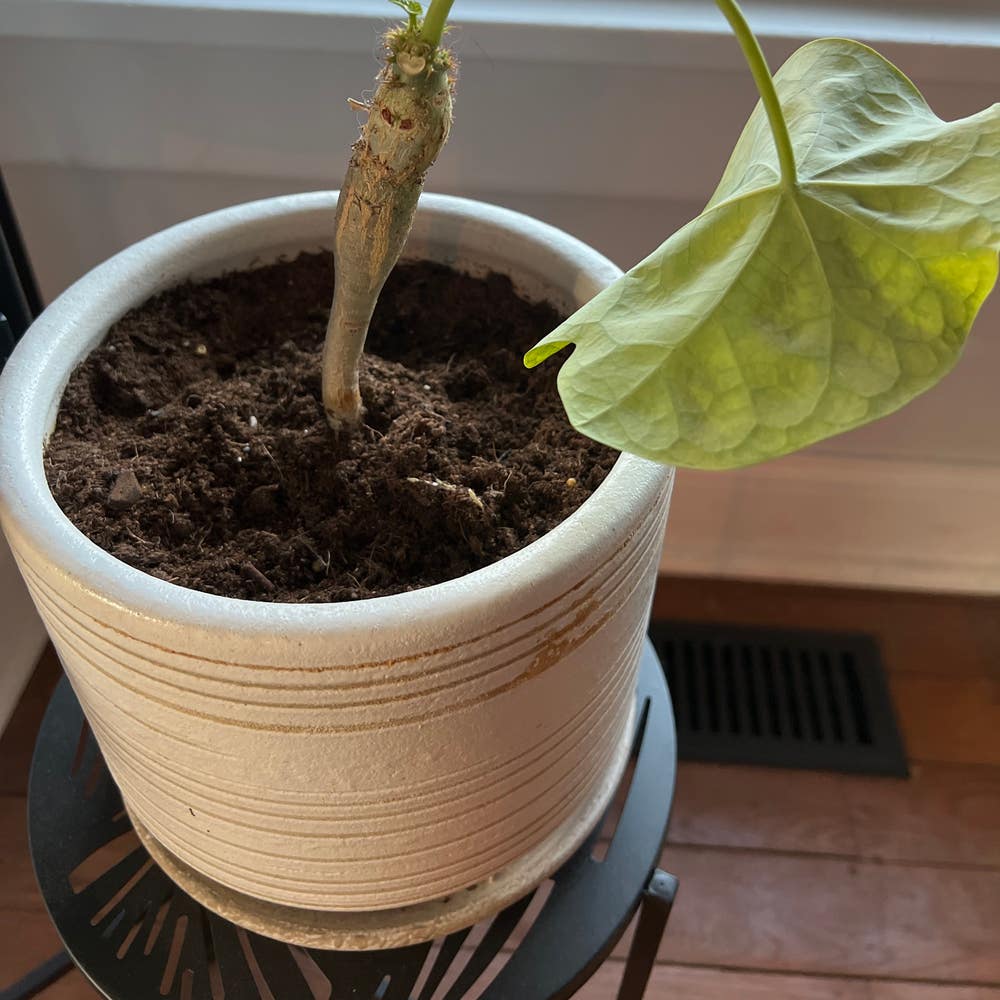
Identifying which parts need to go can be like playing plant detective. Overgrown leaves and a stretched stem are the usual suspects, betraying a shape that's lost its Buddha Belly charm. It's time to grab the shears when your plant starts resembling a wild bush more than a sculpted gem.
Shaping Your Plant
To maintain the Buddha Belly's unique form, think of yourself as a sculptor revealing the plant's essence. Symmetry is your goal, and each snip should be a calculated move towards achieving that pleasing, balanced shape. Remember, you're not just cutting away excess; you're guiding future growth.
Pruning Pitfalls: Common Mistakes to Avoid
🌱 Over-Pruning
- Less is more when it comes to pruning your Buddha Belly Plant. Aim to remove no more than one-third of the plant at a time to avoid stressing it out.
🪓 Incorrect Cuts
- Make cuts just beyond the branch collar; this promotes proper healing. Avoid flush cuts, stub cuts, and topping—these can leave your plant vulnerable and looking like a bad haircut.
🛁 Neglecting Tool Hygiene
- Sterilize your tools before and after use. Think of it as surgery for your plant—cleanliness is key to preventing disease. Keep those shears sharp to avoid jagged cuts that invite trouble.
⚠️ Safety First
This content is for general information and may contain errors, omissions, or outdated details. It is not medical, veterinary advice, or an endorsement of therapeutic claims.
Always consult a qualified healthcare professional before using any plant as food, medicine, or supplement.
Never eat any plant (or feed one to pets) without confirming its identity with at least two trusted sources.
If you suspect poisoning, call Poison Control (800) 222-1222, the Pet Poison Helpline (800) 213-6680, or your local emergency service immediately.
Spotted an error? Please report it here.
Achieve a harmonious shape and healthy growth for your Buddha Belly Plant by using Greg's 🌿 tailored reminders for optimal pruning times and post-trim care, ensuring you never over-prune or miss the perfect pruning season.