3 Top Pot Choices for Your Buddha Belly Plant 🐢
Jatropha podagrica
By the Greg Editorial Team
Nov 08, 2024•6 min read
This article was created with the help of AI so we can cover more plants for you. May contain errors. See one? Report it here.
Master pot selection and drainage for your Buddha Belly Plant 🌱 to ensure vibrant growth and health!
- 🌱 Choose pot material wisely: clay, plastic, ceramic, or terracotta each has benefits.
- 💧 Proper drainage is crucial to prevent root rot and promote healthy growth.
- 📏 Select the right pot size: 4-6 inches for seedlings, 10-14 inches for mature plants.
Pot Materials
Choosing the right pot material is crucial for the growth and health of your Buddha Belly Plant. Each material offers unique benefits that can enhance your plant's environment.
🌱 Benefits of Clay Pots
Clay pots are a popular choice due to their porous nature. This allows for better air circulation to the roots, which is essential for healthy growth.
Additionally, clay pots help regulate moisture levels, reducing the risk of overwatering. Their natural aesthetic appeal makes them suitable for both indoor and outdoor settings, adding a touch of charm to your plant display.
🪴 Advantages of Plastic Pots
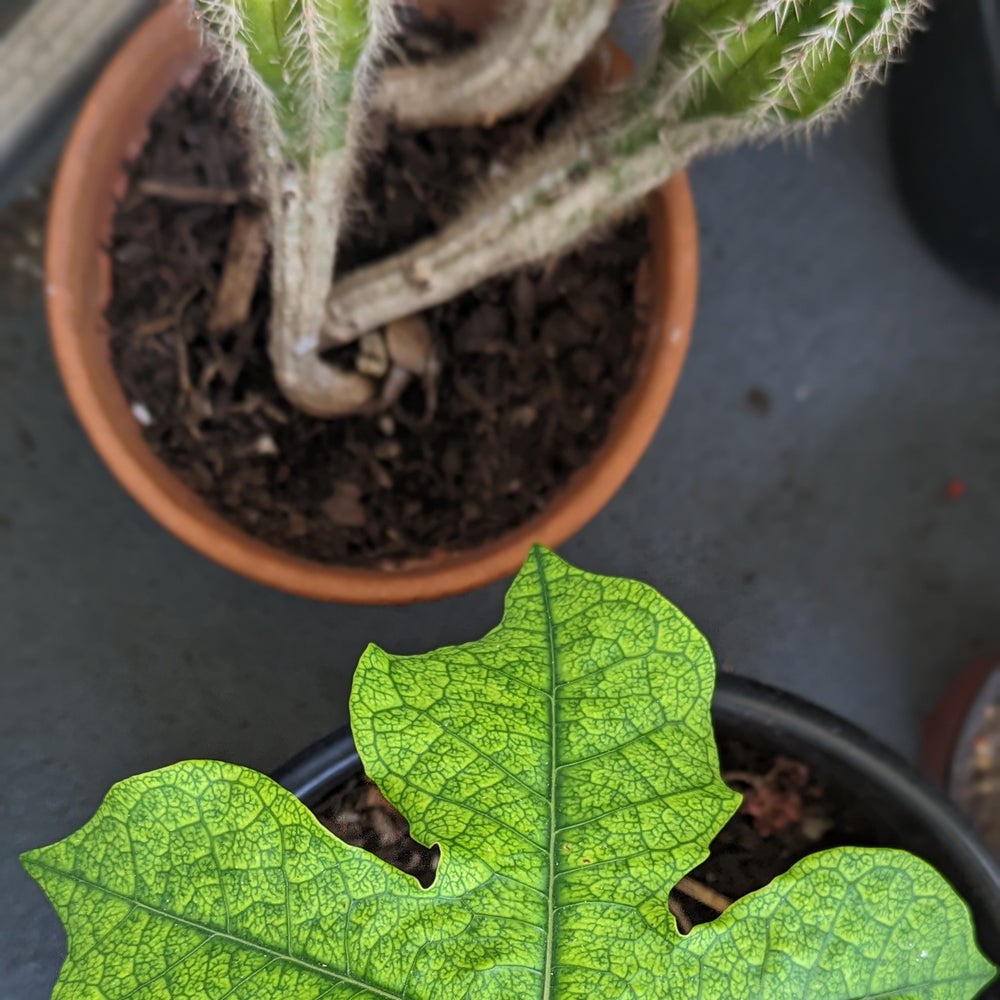
Plastic pots are lightweight and easy to move, making them ideal for indoor use. Their ability to retain moisture longer can be particularly beneficial in dry climates, helping to keep your plant hydrated.
Moreover, plastic pots come in a variety of colors and styles, allowing you to choose one that complements your home decor or garden theme.
⚖️ Comparison of Other Materials
Ceramic Pots
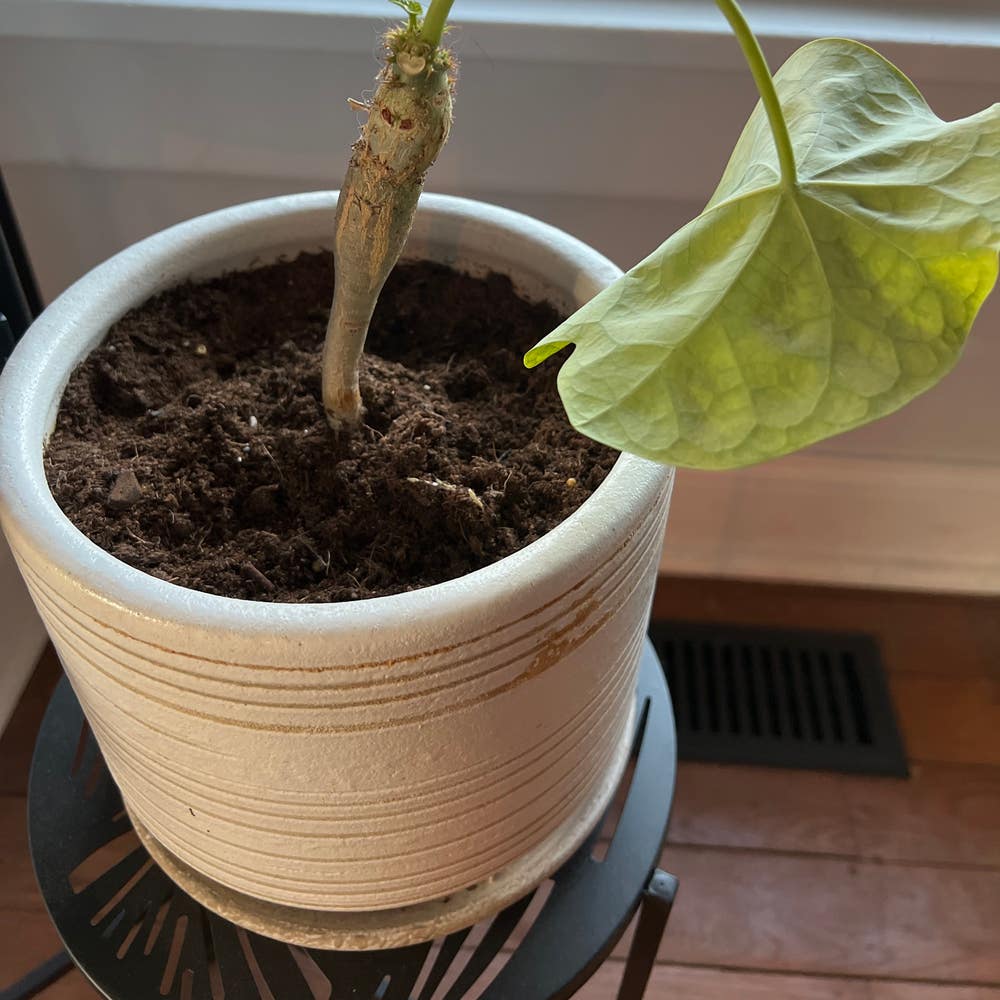
Ceramic pots are known for their attractive designs, which can enhance any space. However, they can be heavy and prone to cracking, so they are generally better suited for indoor use with proper drainage.
Terracotta Pots
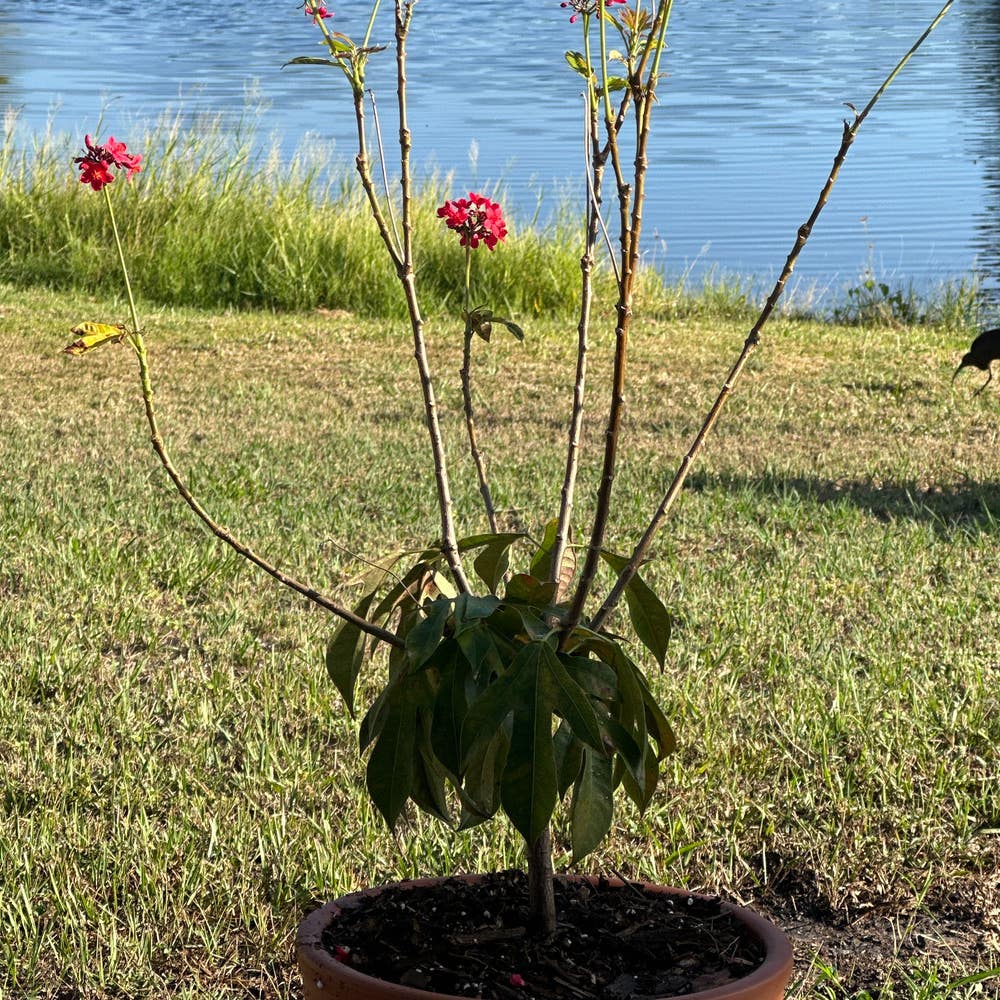
Terracotta pots share similar benefits to clay pots but are more porous. They are particularly ideal for outdoor use due to their durability, allowing them to withstand various weather conditions.
Understanding the characteristics of these pot materials will help you make an informed choice for your Buddha Belly Plant. Selecting the right pot not only supports healthy growth but also enhances your plant's overall aesthetic.
Next, we will delve into the importance of drainage considerations for your plant's health.
Drainage Considerations
Proper drainage is essential for the health of your Buddha Belly Plant. Without it, your plant could face serious issues that hinder its growth and vitality.
🚰 Importance of Drainage Holes
Drainage holes are crucial for preventing water accumulation at the bottom of the pot. They help maintain optimal moisture levels in the soil, ensuring your plant receives just the right amount of water.
🌱 How Drainage Affects Root Health
Good drainage is key to preventing root rot, a common problem in overwatered plants. When water flows freely, it promotes healthy root growth and overall plant vigor.
⚠️ Signs of Poor Drainage and Its Impact on the Plant
Watch for yellowing leaves and wilting, which are indicators of waterlogged soil. Stunted growth and the potential for fungal diseases can also signal that your plant is struggling due to poor drainage.
In summary, ensuring proper drainage is vital for your Buddha Belly Plant's health. Next, we’ll explore how to select the right pot size for each growth stage to support your plant's development.
Pot Selection for Growth Stages
Choosing the right pot size is crucial for the Buddha Belly Plant's development. Each growth stage requires specific pot dimensions to ensure optimal health and growth.
🌱 Seedling Stage
For seedlings, a pot size of 4-6 inches in diameter is ideal. Smaller pots help establish the roots, allowing them to grow strong without excess space that can lead to overwatering.
🌿 Juvenile Stage
As your plant transitions to the juvenile stage, opt for a pot size between 6-10 inches in diameter. This allows for adequate growth while still supporting the developing root system.
🌳 Mature Stage
In the mature stage, the recommended pot size increases to 10-14 inches in diameter. This size accommodates the Buddha Belly Plant's swollen stem and extensive root system, providing the necessary space for continued growth.
Selecting the right pot size at each stage is essential for nurturing your Buddha Belly Plant. With proper potting, your plant will thrive and flourish, setting the stage for a vibrant indoor or outdoor display.
Repotting Guidelines
Repotting your Buddha Belly Plant is essential for its growth and vitality. Knowing when and how to repot can make all the difference in keeping your plant healthy and thriving.
🕒 When to Repot Your Plant
Look for signs that indicate your plant needs repotting. Common indicators include root-bound conditions, stunted growth, and soil depletion.
It's generally recommended to repot every 1-2 years or whenever your plant outgrows its pot. Keeping an eye on these signs will help you maintain a healthy environment for your Buddha Belly Plant.
🛠️ Step-by-Step Guide to Repotting
Follow these steps for a successful repotting experience:
- Prepare a new pot with adequate drainage holes to prevent water accumulation.
- Gently remove the plant from its current pot, being careful not to damage the roots.
- Inspect the roots for any signs of rot and trim them if necessary.
- Place the plant in the new pot and fill it with fresh, well-draining soil.
- Water thoroughly and allow excess water to drain out.
This straightforward process ensures your plant has the best chance to flourish in its new home.
🍶 Choosing the Right Pot During Repotting
Selecting the right pot size is crucial during repotting. Consider the plant's growth stage and its swollen stem structure when choosing a new pot.
Additionally, ensure the new pot material aligns with your plant's environmental needs. This thoughtful approach will support your Buddha Belly Plant's continued growth and health.
With these guidelines, you’re well-equipped to repot your Buddha Belly Plant successfully. Next, let’s explore common potting mistakes to avoid for optimal plant care.
Common Potting Mistakes
Avoiding common pitfalls can significantly enhance the growth and health of your Buddha Belly Plant. Here are some frequent mistakes made during potting that you should be aware of.
🏺 Overpotting vs. Underpotting
Finding the right pot size is crucial. A pot that's too large can lead to overwatering, while one that's too small can restrict growth.
- Ideal Pot Size: Choose a pot that accommodates the current root system but allows for some room to grow. This balance is essential for healthy development.
🚰 Ignoring Drainage Needs
Proper drainage is vital for your plant's health. Neglecting to ensure adequate drainage can lead to serious issues, including root rot.
- Check for Drainage Holes: Always verify that your pot has sufficient drainage holes before potting. This simple step can save your plant from waterlogged soil.
🪴 Choosing the Wrong Material for the Environment
The pot material plays a significant role in your plant's success. Selecting materials that don't suit the growing conditions can hinder growth.
- Indoor vs. Outdoor Considerations: Think about the climate and humidity levels when choosing pot materials. The right choice can make all the difference in your plant's vitality.
By avoiding these common potting mistakes, you'll set your Buddha Belly Plant up for a thriving life. Next, let’s explore the importance of pot selection for different growth stages.
⚠️ Safety First
This content is for general information and may contain errors, omissions, or outdated details. It is not medical, veterinary advice, or an endorsement of therapeutic claims.
Always consult a qualified healthcare professional before using any plant as food, medicine, or supplement.
Never eat any plant (or feed one to pets) without confirming its identity with at least two trusted sources.
If you suspect poisoning, call Poison Control (800) 222-1222, the Pet Poison Helpline (800) 213-6680, or your local emergency service immediately.
Spotted an error? Please report it here.
Select the perfect pot for your Buddha Belly Plant with Greg's tailored reminders and expert tips, ensuring your plant thrives and looks stunning in any space! 🌿