Propagating Buddha Belly Plant: The Ultimate Guide
Jatropha podagrica
By the Greg Editorial Team
Jun 18, 2024•5 min read
This article was created with the help of AI so we can cover more plants for you. May contain errors. See one? Report it here.
Propagate your Buddha Belly Plant 🌿 and watch your garden flourish with our foolproof guide!
- Spring/Summer division ensures successful propagation during active growth.
- 🌱 Healthy stem, 4-6 inches, with leaf nodes is ideal for cuttings.
- Consistent moisture and light are key for rooting and new growth.
Choosing Your Propagation Adventure
🌱 Division: Doubling Your Buddha Belly Joy
Timing is everything when prepping your Buddha Belly Plant for a split. The best period is when the plant is in its active growth phase, typically in the spring or summer. Water your plant a couple of days before the division to make the roots more pliable.
🕺 The Division Dance
Once watered, coax the plant from its pot and shake off excess soil to reveal the root system. Look for natural separations or "lines of fracture" to guide where to divide. If the plant's roots are tight-lipped, use a sterilized knife to gently separate sections, ensuring each new plant has a fair share of roots and foliage.
Aftercare for Your Newly Independent Plants
Post-division, pot each plant in well-draining soil and keep the soil moist. Provide bright, indirect light and avoid the temptation to overwater. Watch for new growth as a sign of a successful propagation dance.
🌿 Stem Cuttings: Growing New Beginnings
Select a healthy stem for your cutting, ideally 4-6 inches long, with several leaf nodes. Make your cut just above a node using a sharp, sterilized tool.
Making the Cut
Once you've snipped your chosen stem, remove the lower leaves to expose the nodes. These will be the points where roots are most likely to sprout.
Rooting Your Future
For rooting, you have options: water or soil. If using water, place the cutting in a clear glass container and change the water 1-2 times a week. For soil propagation, plant the cutting in a well-draining mix, and consider using rooting hormone to encourage growth. Keep the soil consistently moist, but not soggy, and place the pot in a spot with bright, indirect light.
Remember, whether you choose division or stem cuttings, patience is your best ally. Give your Buddha Belly Plant the time it needs to grow and thrive in its new form.

Creating the Perfect Propagation Pad
🌟 The Ideal Spot: Light, Temperature, and Humidity
Finding the right spot for your Buddha Belly Plant cuttings is like setting up a backstage area for a rockstar—everything needs to be just so. Bright, indirect light is the ticket to success; think of it as the soft glow of a spotlight, not the harsh glare of the midday sun. Aim for a cozy temperature range between 65-75°F; too cold and your cuttings will shiver, too hot and they'll wilt. As for humidity, you want the air to be as moist as a well-struck chord, without tipping into a tropical storm.
💧 Keeping Things Moist: Watering Tips for Propagation
Watering is the drumbeat of propagation—steady and consistent. The soil should be damp, like a wrung-out sponge, not a drenched towel. If you're worried about overdoing it, think of a humidity dome or a plastic bag as your safety net, keeping moisture levels in check. And remember, stagnant water is a no-go; it's the equivalent of a stagnant career for a plant. Keep it fresh, keep it moving, and you'll be on the path to propagation stardom.

Overcoming Propagation Pitfalls
🌱 When Roots Play Hard to Get
Rooting issues can turn propagation into a patience-testing puzzle. Temperature and light are often the hidden saboteurs when cuttings refuse to sprout roots. They're like picky eaters; if conditions aren't just right, they won't take a bite. Ensure your cuttings are basking in a warm, cozy spot with indirect sunlight to coax those roots out.
🚱 Dodging the Dreaded Root Rot
Root rot is the bogeyman of propagation, lurking where overwatering and poor drainage reign. Yellow leaves or mushy stems? Red flags that should have you springing into action. Trim the rotten parts with a clean, sharp tool—think of it as surgery—and replant in fresh, well-draining soil. Remember, your watering can is not a showerhead; aim for moist soil, not a mini swamp.

Watching New Life Unfold
🌱 Root Development: The Underground Revolution
After the meticulous process of propagation, your Buddha Belly Plant's roots will start to establish themselves. It's an underground revolution you can't see, but you'll know it's happening when the plant stops wobbling like a tipsy dancer. Stability is the first sign of success.
🌿 New Growth: Green Triumphs
As roots take hold, watch for the emergence of new leaves. These are the green triumphs, the visible proof of your propagation prowess. Each new leaf is like a high-five from Mother Nature, acknowledging your efforts.
🎉 Milestones to Celebrate
Celebrate each new leaf and stem as milestones. They're the tangible results of the care and attention you've poured into your plant. It's not just growth; it's a living testament to your green thumb.
⏳ The Waiting Game
Remember, growth takes time. You might be waiting up to 6 months for stem cuttings to strut their stuff. Patience is more than a virtue here—it's a requirement. Keep a log of developments; it's the evidence of your journey from cutting to full-fledged plant.
🌼 The Joy of Firsts
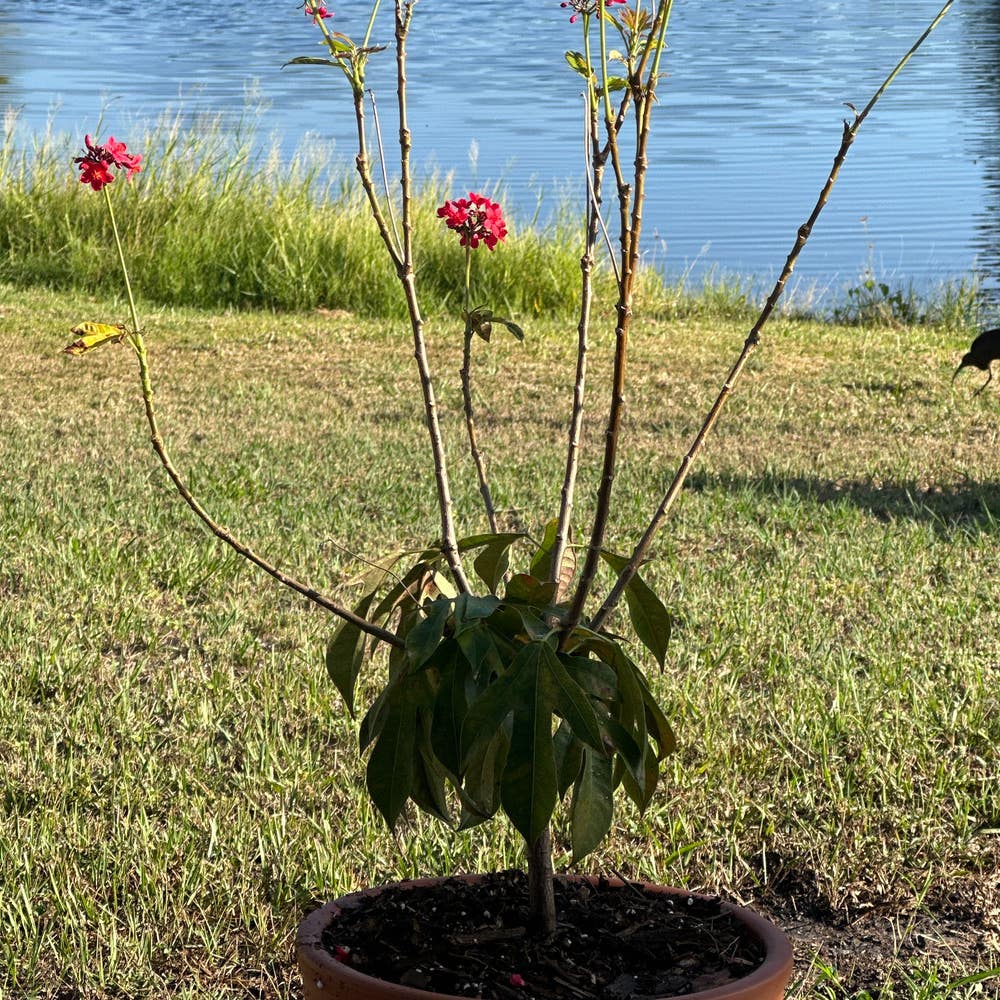
The first time your Buddha Belly Plant produces a flower, it's a moment to revel in. Small, white, and clustered, these flowers are the plant's way of saying, "You did good, human." And when those round fruits turn from green to red, it's like a botanical standing ovation.
🏃♂️ In It for the Long Haul
Remember, this isn't a sprint; it's a marathon. Your Buddha Belly Plant's growth is a slow and steady race, but the finish line is a lush, unique addition to your garden or home. Keep the light bright, the water just right, and the temperature cozy, and your plant will do the rest.
⚠️ Safety First
This content is for general information and may contain errors, omissions, or outdated details. It is not medical, veterinary advice, or an endorsement of therapeutic claims.
Always consult a qualified healthcare professional before using any plant as food, medicine, or supplement.
Never eat any plant (or feed one to pets) without confirming its identity with at least two trusted sources.
If you suspect poisoning, call Poison Control (800) 222-1222, the Pet Poison Helpline (800) 213-6680, or your local emergency service immediately.
Spotted an error? Please report it here.
Nurture new growth 🌿 with Greg's tailored reminders, ensuring your Buddha Belly Plant cuttings thrive from division to first bloom.