👐 Ultimate Guide to Buddha's Palm Plant Flowers
Jatropha podagrica
By the Greg Editorial Team
Oct 19, 2024•5 min read
This article was created with the help of AI so we can cover more plants for you. May contain errors. See one? Report it here.
Uncover the charm of the Buddha's Palm Plant 🌿, a stunning foliage gem that thrives without ever blooming!
- 🌿 Buddha's Palm is non-flowering, prized for its lush foliage and striking leaves.
- 🌞 Inadequate light and temperature can prevent any rare flowering potential.
- 🌼 If it bloomed, expect vibrant yellow or white flowers, but it's exceedingly rare.
Flowering Status
🌼 Clarification on Flowering Status
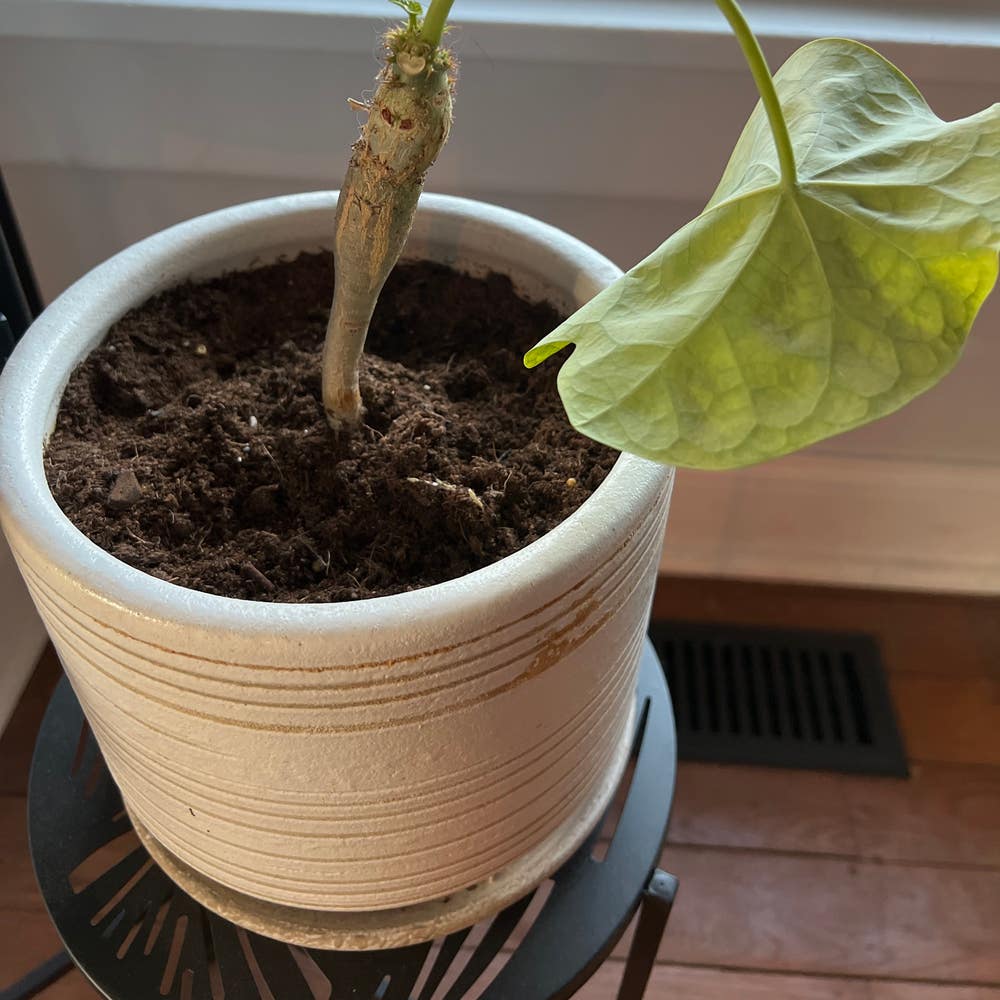
The Buddha's Palm Plant is known for its striking appearance, but it does not produce flowers. Classified as a non-flowering plant, its primary appeal lies in its lush foliage, making it a popular choice for landscaping.
🚫 Reasons for Non-Flowering
This plant focuses on developing its vibrant leaves rather than flowers. Environmental factors, such as inadequate light and temperature fluctuations, can further inhibit any potential flowering, reinforcing its reputation as a foliage-centric plant.
In summary, while the Buddha's Palm Plant may not bloom, its stunning leaves offer a unique charm that enhances any garden or indoor space. Next, let's explore what might happen if this plant were to flower under ideal conditions.
If Buddha's Palm Plant Flowers
🌼 Flower Characteristics
Description of Colors and Structure
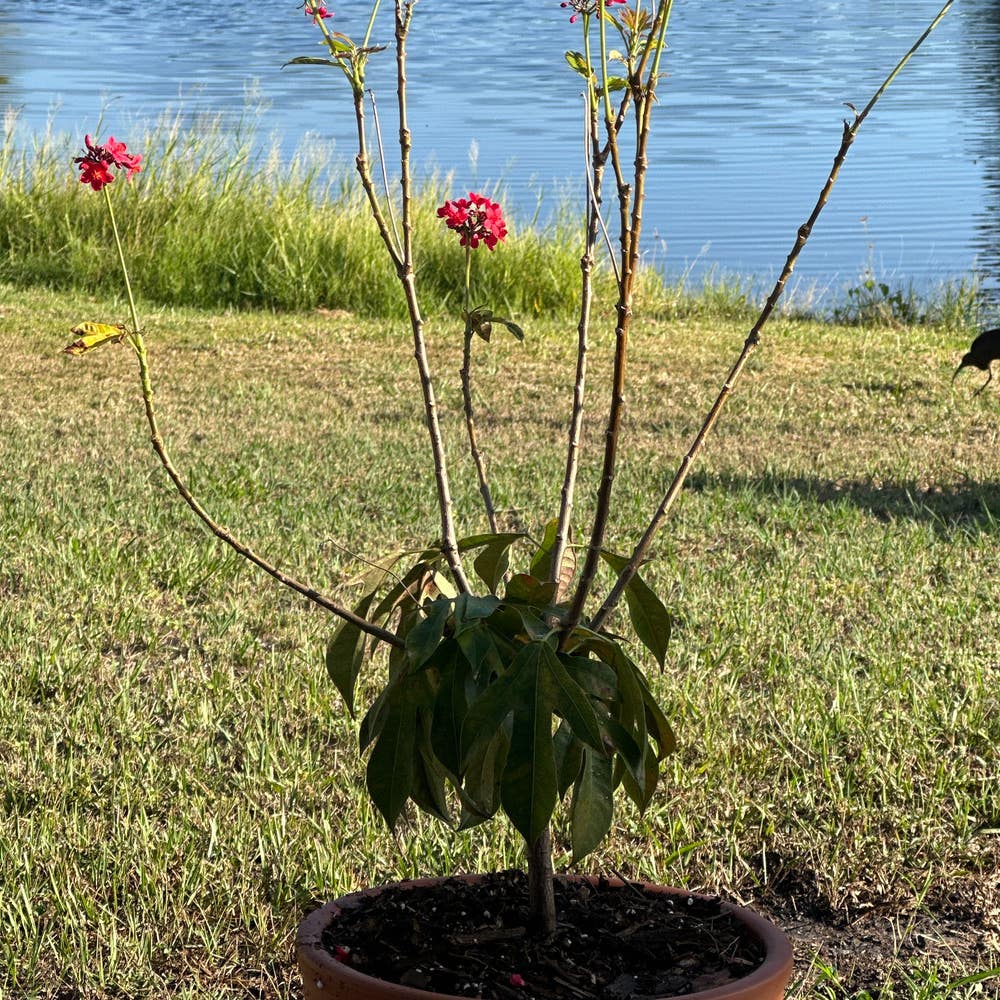
While the Buddha's Palm Plant is primarily known for its striking foliage, there are rare instances where it may flower under ideal conditions. Hypothetically, if it were to bloom, the flowers could exhibit vibrant colors similar to those of related species, potentially showcasing shades of yellow or white.
These blooms might feature a unique structure, perhaps resembling small clusters or spikes, which would add an unexpected charm to the plant. However, it's essential to remember that such occurrences are exceedingly rare.
Self-Pollination vs. External Pollination
Due to the absence of flowers, the Buddha's Palm Plant does not engage in typical pollination processes. This means it does not rely on self-pollination or external pollination methods, further emphasizing its classification as a non-flowering plant.
🌸 Blooming Process
Stages of Blooming
If the Buddha's Palm were to flower, the blooming process would likely unfold in several stages. Initially, there would be a phase of bud formation, where small buds appear, followed by the blooming stage, where these buds open to reveal flowers.
Finally, the wilting stage would occur, marking the end of the flowering cycle. Each of these stages would be critical in understanding the plant's hypothetical blooming behavior.
Typical Bloom Time
In terms of potential bloom seasons, the timing would depend heavily on environmental conditions. Factors such as temperature and light exposure could influence when, or if, the plant might flower.
Duration from Bud Formation to Full Bloom
Estimating the time frame from bud formation to full bloom is challenging, given the rarity of flowering. However, if it were to occur, this process might take several weeks, similar to other tropical plants.
Lifespan of Flowers
Should the Buddha's Palm Plant ever bloom, the lifespan of its flowers would likely be short-lived. Typically, flowers in similar species last only a few days to a week before wilting.
🌱 Encouraging Blooms
Tips for Encouraging Flowering
To encourage flowering in related species, optimal care conditions are essential. Providing adequate light, maintaining humidity levels, and ensuring the right temperature can create an environment conducive to blooming.
These factors play a crucial role in mimicking the natural conditions that might trigger flowering.
Factors Influencing Flowering
Several environmental and care-related factors could influence flowering in similar plants. These include soil quality, watering practices, and exposure to sunlight, all of which contribute to the overall health of the plant.
🌿 Post-Flowering
What Happens After Flowering
If the Buddha's Palm Plant were to flower, the post-blooming phase would likely involve the plant redirecting its energy back to foliage growth. This would ensure that it continues to thrive even after the brief flowering period.
Does the Plant Die After Flowering?
It's important to clarify that the Buddha's Palm Plant does not die after flowering, as it typically does not flower at all. This resilience allows it to remain a popular choice in landscaping, focusing on its lush leaves rather than blooms.
As we explore the next section, we'll delve into the primary ornamental features of the Buddha's Palm Plant, highlighting its striking visual appeal and adaptability.
If Buddha's Palm Plant Doesn't Flower
🌿 Primary Ornamental or Functional Features
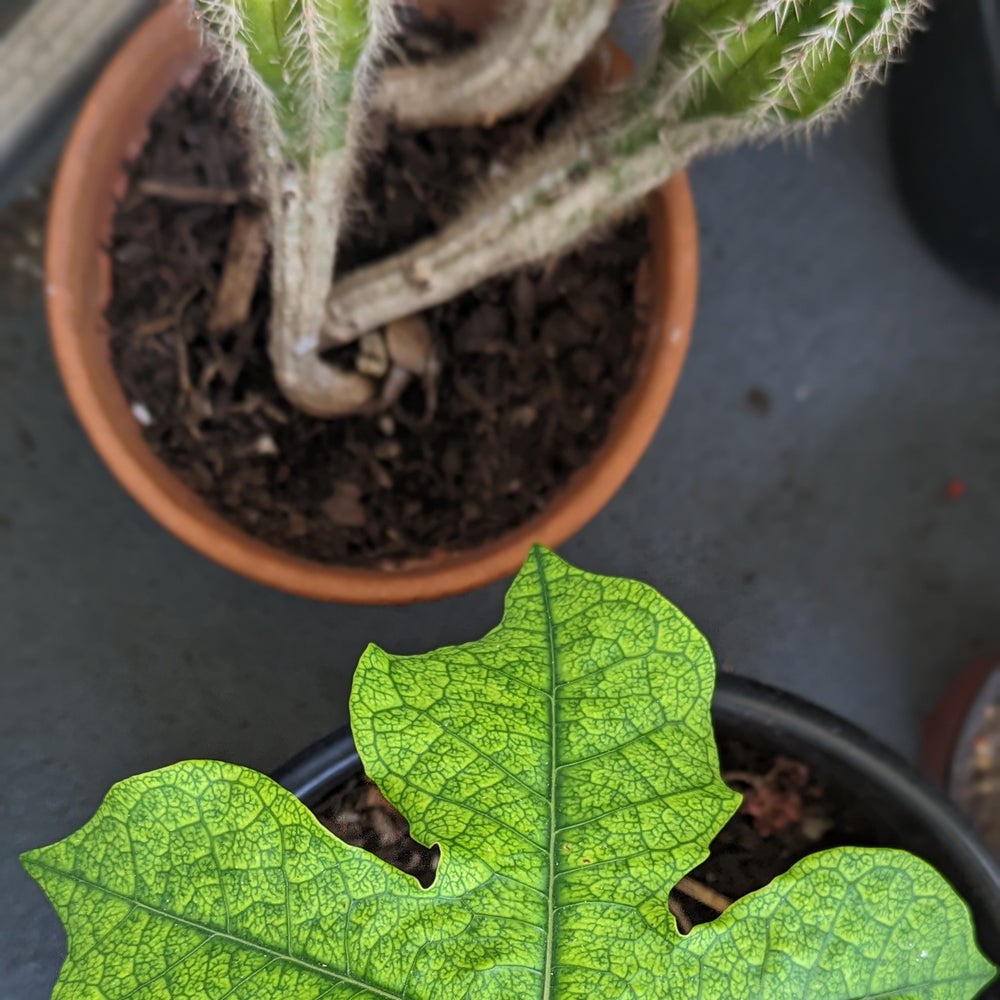
The Buddha's Palm Plant is renowned for its striking fan-shaped leaves, which create a dramatic visual impact in any landscape. These lush, green fronds can elevate the aesthetic of gardens, patios, and indoor spaces, making them a popular choice for tropical and subtropical environments.
This plant thrives in warm climates, showcasing its adaptability. It can withstand varying conditions, from full sun to partial shade, making it versatile for different landscaping needs.
🌱 Reproduction Methods Without Flowers
Despite its lack of flowers, the Buddha's Palm Plant has a unique way of reproducing through offsets or suckers. These small shoots emerge from the base of the plant, allowing it to spread and create new growth.
Caring for these offsets is straightforward. Simply separate them from the parent plant and replant them in well-draining soil. With proper care, these new plants can flourish, ensuring the continued beauty of your garden.
The Buddha's Palm Plant may not bloom, but its lush foliage and efficient reproduction methods make it a standout choice for any plant lover.
Unique Aspects
🌼 Unusual Characteristics Related to Flowering or Non-Flowering
The Buddha's Palm Plant is fascinating for its unique adaptations that contribute to its non-flowering nature. Primarily, it channels energy into producing its striking fan-shaped leaves rather than flowers, making it a standout in any garden.
This focus on foliage allows the plant to thrive in various environments, particularly in tropical and subtropical climates. Its lush green leaves not only provide aesthetic appeal but also serve as a natural air purifier, enhancing indoor and outdoor spaces.
🌱 Interesting Facts or Trivia About Reproductive Strategies
Did you know that the Buddha's Palm Plant reproduces through offsets or suckers? This method allows it to spread efficiently without the need for flowers, making it a resilient choice for gardeners.
In landscaping, its bold leaves create a dramatic visual impact, often used as a focal point in tropical gardens. Culturally, the plant holds significance in various traditions, symbolizing prosperity and good fortune, which adds to its allure in homes and public spaces.
With its unique growth habits and cultural importance, the Buddha's Palm Plant is more than just a pretty face; it embodies resilience and beauty in the plant kingdom.
⚠️ Safety First
This content is for general information and may contain errors, omissions, or outdated details. It is not medical, veterinary advice, or an endorsement of therapeutic claims.
Always consult a qualified healthcare professional before using any plant as food, medicine, or supplement.
Never eat any plant (or feed one to pets) without confirming its identity with at least two trusted sources.
If you suspect poisoning, call Poison Control (800) 222-1222, the Pet Poison Helpline (800) 213-6680, or your local emergency service immediately.
Spotted an error? Please report it here.
Embrace the beauty of foliage 🌿 with the Buddha's Palm Plant, and let Greg guide you with tailored care tips to ensure your plant thrives and symbolizes prosperity in your home!