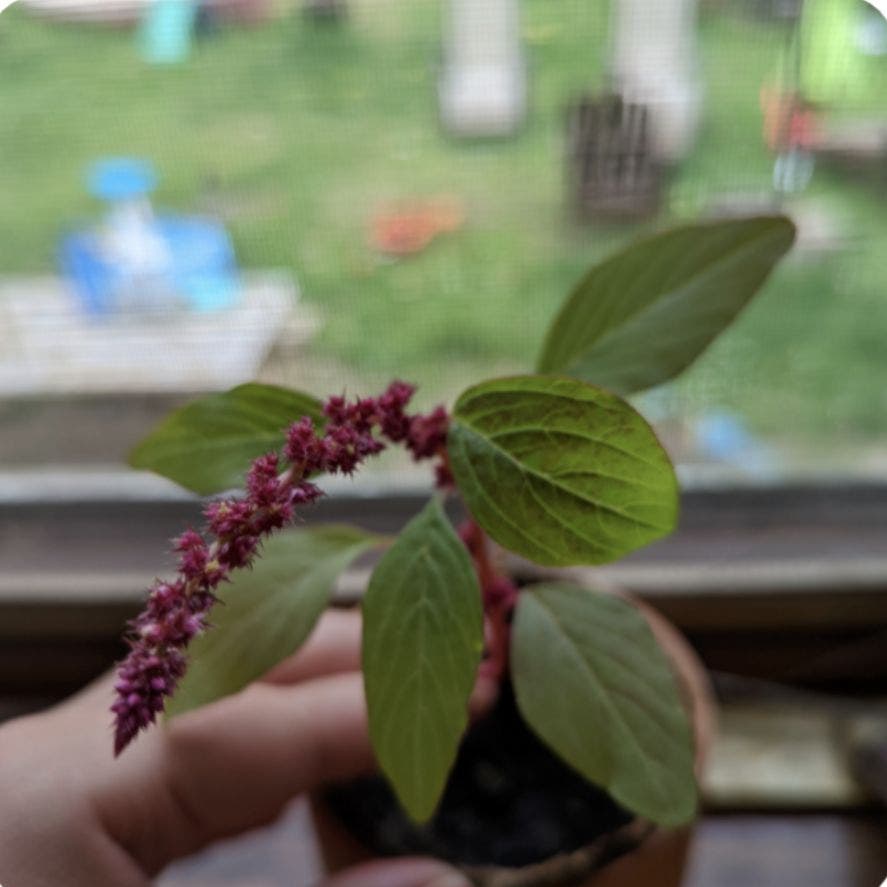
❤️ Managing Black Spots on Your Love-Lies-Bleeding Leaves
Amaranthus caudatus
By the Greg Editorial Team
Oct 16, 2024•5 min read
This article was created with the help of AI so we can cover more plants for you. May contain errors. See one? Report it here.
- 🌞 Optimal light and humidity prevent black spots on Love-Lies-Bleeding leaves.
- 🌱 Regular inspections help detect pests and diseases early for effective management.
- 🧴 Use organic treatments like neem oil to combat fungal issues naturally.
Diagnosing the Problem
🌍 Assessing Environmental Factors
Understanding the environmental factors affecting your Love-Lies-Bleeding is crucial for diagnosing black spots on the leaves.
Light Conditions
Your plant thrives best in 6-8 hours of indirect sunlight daily. If you notice stunted growth or pale foliage, it may be a sign that your plant isn’t getting enough light.
Humidity Levels
Maintaining humidity levels between 40-60% is ideal. High humidity can lead to increased fungal growth and unsightly leaf spots.
Temperature Considerations
The preferred temperature range for Love-Lies-Bleeding is between 20°C to 30°C (68°F to 86°F). Extreme temperatures can stress the plant, making it more susceptible to diseases.
🌱 Soil Conditions and Their Impact on Leaf Health
Soil quality plays a significant role in the health of your plant's leaves.
Soil Type and Drainage
Well-draining soil is essential to prevent root rot. A recommended mix is 50% potting soil, 30% perlite, and 20% compost for optimal drainage.
Soil Moisture Control
Maintaining proper moisture levels is key. Techniques such as checking the top inch of soil can help you avoid overwatering, which can lead to soggy soil, foul odors, and wilting leaves.
🐛 Common Pests That May Cause Leaf Discoloration
Pests can also be a culprit behind leaf discoloration.
Identifying Pest-Related Issues
Look out for small, green aphids that cause leaf curling and discoloration. Spider mites may also be present, indicated by fine webbing and stippled leaves.
Treatment Options for Pest Control
Consider using organic insecticides or introducing natural predators to manage these pests effectively.
By assessing these environmental and soil conditions, along with identifying potential pests, you can take the first steps toward restoring your Love-Lies-Bleeding's health. Next, we'll explore treatment options to tackle those pesky black spots.
Treatment Options
Step-by-Step Guide to Treating Black Spots 🌑
Initial assessment: Start by identifying the cause of the black spots. This could be due to environmental factors, pests, or diseases.
Pruning affected leaves: Remove and dispose of any infected foliage. This helps prevent the spread of issues to healthy leaves.
Adjusting watering practices: Allow the soil to dry between waterings. This simple change can significantly improve your plant's health.
Recommended Organic Fungicides and Their Application 🍃
Types of Organic Fungicides
Neem oil: This natural remedy is effective against various fungal issues. Mix it according to the recommended dilution ratios for optimal results.
Baking soda solution: Combine one tablespoon of baking soda with a gallon of water. This solution can help combat fungal growth effectively.
Application Techniques
Timing: Apply treatments early in the morning or late in the afternoon. This timing helps avoid leaf burn from the sun.
Coverage: Ensure thorough application on affected areas. A good coverage increases the chances of successful treatment.
Home Remedies for Managing Leaf Spots 🏡
Common Household Solutions
Milk spray: Mix one part milk with two parts water. Spray this solution on the leaves every week to help combat leaf spots.
Garlic or chili pepper spray: Blend garlic or chili peppers with water, strain, and spray on affected areas. This natural remedy can deter pests and improve leaf health.
By following these treatment options, you can effectively manage black spots on your Love-Lies-Bleeding leaves. Next, let’s explore preventive measures to keep your plants healthy and thriving.
Preventive Measures
Best Practices for Watering and Soil Management 🌊
Watering your Love-Lies-Bleeding is crucial for its health. Aim to water every 5-7 days, adjusting based on your climate conditions.
Deep watering encourages strong root growth. This method ensures that moisture penetrates the soil, promoting a robust root system.
Soil management is equally important. Regular soil testing helps you understand pH and nutrient levels, ensuring your plant thrives.
Importance of Air Circulation and Spacing 🌬️
Proper spacing between plants is essential for healthy growth. Aim for a distance of 12-18 inches apart to promote airflow.
Improving air circulation can be achieved by pruning dense foliage. In indoor settings, using fans can also help maintain a breezy environment.
Seasonal Care Tips to Prevent Black Spots 🌦️
Adjust your care routine with the seasons. In winter, reduce watering frequency and keep an eye on humidity levels.
During summer, provide shade during peak sunlight hours. This simple adjustment can protect your plant from stress and potential black spots.
By following these preventive measures, you can significantly enhance your plant's resilience and overall health. Next, let’s explore how to monitor your plant’s health effectively.
Monitoring Plant Health
🔍 Regular Inspection Techniques for Early Detection
Regular inspections are crucial for maintaining the health of your Love-Lies-Bleeding plants. Aim for weekly checks to spot any signs of leaf disease or pests early on.
During these inspections, pay close attention to changes in leaf color, texture, and overall plant vigor. Any unusual signs can indicate underlying issues that need immediate attention.
🌱 Signs of Recovery and When to Reapply Treatments
As you treat your plants, look for indicators of improvement. New growth emerging and a noticeable reduction in black spots are positive signs that your efforts are paying off.
When it comes to reapplying treatments, always follow the manufacturer's guidelines for fungicides. This ensures you’re using them effectively without risking plant health.
🌿 Maintaining Overall Plant Health to Prevent Future Issues
Balanced fertilization plays a vital role in keeping your plants thriving. Aim for NPK ratios that support optimal growth and resilience against diseases.
In addition to fertilization, regularly clean the leaves to remove dust and debris. This simple step can significantly enhance photosynthesis and overall plant health.
Lastly, ensure proper drainage to prevent waterlogging. Healthy roots are essential for a robust plant, so take care of the soil conditions.
By staying vigilant and proactive, you can foster a thriving environment for your Love-Lies-Bleeding plants. Next, let’s explore preventive measures to keep these issues at bay.
⚠️ Safety First
This content is for general information and may contain errors, omissions, or outdated details. It is not medical, veterinary advice, or an endorsement of therapeutic claims.
Always consult a qualified healthcare professional before using any plant as food, medicine, or supplement.
Never eat any plant (or feed one to pets) without confirming its identity with at least two trusted sources.
If you suspect poisoning, call Poison Control (800) 222-1222, the Pet Poison Helpline (800) 213-6680, or your local emergency service immediately.
Spotted an error? Please report it here.
Transform your Love-Lies-Bleeding care into a thriving success 🌱 with Greg's personalized watering reminders and tailored tips to tackle those pesky black spots!