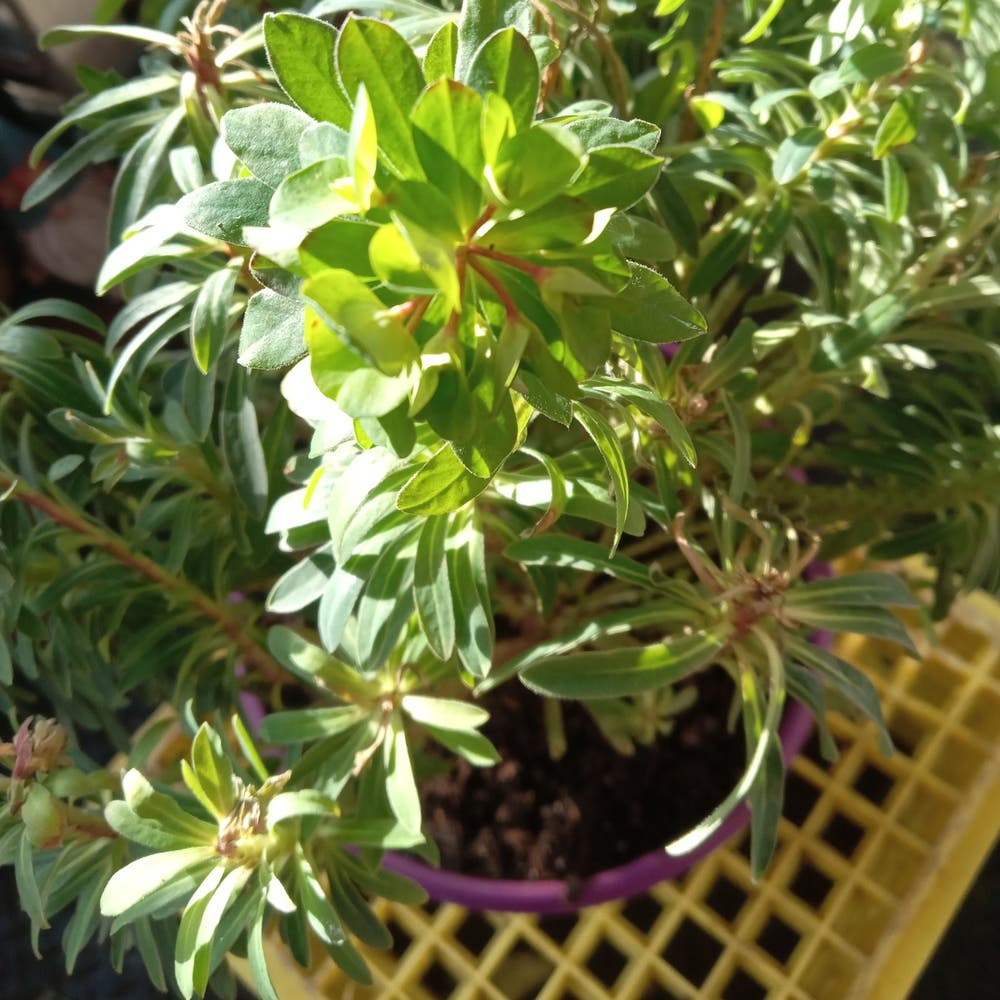
🥕 Albanian Spurge Roots 101
Euphorbia characias
By the Greg Editorial Team
Sep 30, 2024•6 min read
This article was created with the help of AI so we can cover more plants for you. May contain errors. See one? Report it here.
Master Albanian spurge's root systems 🌱 for thriving growth and effortless care in your garden!
- 🌱 Albanian spurge has taproot and fibrous roots, each serving unique survival functions.
- 💧 Deep watering encourages resilient roots, vital for drought survival and nutrient absorption.
- ⚠️ Signs of root distress include wilting and yellowing; act quickly to prevent issues.
Root System Characteristics
🌱 Type of Root System
Albanian spurge features two primary types of root systems: the taproot system and fibrous roots.
Taproot System
The taproot system consists of a single, thick primary root that burrows deep into the soil. This structure not only provides stability but also allows the plant to access deeper moisture, making it resilient in varying conditions.
Fibrous Roots
In contrast, fibrous roots form a network of thin, branching roots that spread out near the surface. This design is crucial for efficient nutrient absorption and offers additional support to the plant.
🔍 Specific Characteristics
The stability provided by the taproot is vital for the plant's survival, especially during drought conditions.
Moreover, the extensive spread of roots enables the plant to access nutrients in well-drained soils, enhancing its overall health and growth potential.
Understanding these root characteristics is essential for effective care and cultivation of Albanian spurge. This knowledge sets the stage for exploring root depth and spread, which further influences care practices.
Root Depth and Spread
Typical Depth and Spread 🌱
The roots of Albanian spurge can reach impressive depths. In optimal conditions, they can grow up to 2 feet (60 cm) deep and spread horizontally up to 3 feet (90 cm).
Growth Patterns 🌿
Initially, the taproot establishes itself rapidly, anchoring the plant firmly. As the season progresses, lateral roots develop, expanding the plant's reach for nutrients and moisture.
Seasonal Variations 🌦️
During dry spells, the roots adapt by growing deeper to access hidden moisture. This resilience showcases the plant's ability to thrive even in challenging conditions.
Understanding these root characteristics is essential for effective care practices. Next, we'll explore how these roots influence watering techniques and overall plant health.
Care Practices Influenced by Roots
Watering Techniques 💧
Watering your Albanian spurge effectively is crucial for its root health. Aim to water deeply but infrequently, which encourages the roots to grow deeper into the soil.
Using soaker hoses or drip irrigation can be a game-changer. These methods minimize surface evaporation, ensuring that moisture reaches the root zone where it’s needed most.
Fertilizing Tips 🌱
When it comes to fertilizing, a balanced NPK fertilizer is your best bet. Apply it during the growing season, ideally every 4-6 weeks, to keep your plant thriving.
This consistent feeding helps support robust root development, which is essential for overall plant health.
Best Practices for Transplanting 🌍
Transplanting can be a delicate process, so timing is everything. Aim to transplant in early spring or fall when temperatures are mild, reducing stress on the plant.
To minimize root disturbance, use a wide spade to dig around the root zone. This technique helps preserve the integrity of the root system, promoting a smoother transition to its new home.
By following these care practices, you’ll set your Albanian spurge up for success. Next, let’s explore common root-related issues that might arise and how to tackle them effectively.
Common Root-Related Issues
Identifying Problems 🌱
When your Albanian spurge shows signs of distress, it’s crucial to act quickly. Look for wilting, yellowing leaves, or stunted growth as indicators that something is off.
Root rot is another common issue, characterized by dark, mushy roots. This often results from overwatering or poor drainage, and it can spell trouble for your plant.
Tips for Prevention 🛡️
To keep your spurge healthy, start with soil selection. Using well-draining soil is essential to prevent waterlogging, which can lead to root issues.
Regular inspection is also key. Check for signs of pests or diseases that might be affecting the root zone, ensuring your plant stays robust.
Solutions for Common Problems 💡
If you encounter root rot, don’t panic. Remove the affected roots and repot the plant in fresh, dry soil to give it a fighting chance.
For pest control, consider using organic insecticides. They can effectively manage root pests without harming the plant or the environment.
By staying vigilant and proactive, you can maintain a thriving root system and a healthy Albanian spurge. Next, let’s explore how to assess the health of your plant’s roots effectively.
Indicators of Root Health
Visual Cues 🌱
Healthy roots are a gardener's dream. They should feel firm and display a white or light tan color, indicating vitality and strength.
In contrast, unhealthy roots tell a different story. Dark, mushy, or foul-smelling roots signal decay and potential problems that need immediate attention.
Other Indicators 🌿
Plant vigor is another key indicator of root health. When plants exhibit robust growth and vibrant foliage, it’s a sign that their roots are thriving.
Soil moisture also plays a crucial role. Consistent moisture levels suggest a well-functioning root system, ensuring your plant has the hydration it needs to flourish.
Understanding these indicators can empower you to nurture your plants effectively. By keeping an eye on root health, you can foster a thriving garden environment.
Next, let’s explore the challenges of rootbound plants and how to address them.
Rootbound Plants
Definition and Recognition 🌱
Rootbound plants are those that have roots growing in circles within their pots. This condition restricts growth and can lead to a host of problems.
Signs that your plant may be rootbound include roots protruding from drainage holes, stunted growth, and poor water absorption. If you notice these indicators, it’s time to take action.
Addressing Rootbound Issues 🔧
To keep your plants thriving, check for rootbound conditions annually or whenever you plan to repot.
When you find a rootbound plant, consider repotting it into a larger container to give those roots room to spread. Alternatively, you can prune the roots to encourage new growth and vitality.
By keeping an eye on root health, you can ensure your plants remain vibrant and robust. This proactive approach not only enhances their growth but also enriches your gardening experience.
Next, let’s explore how to propagate and divide plants effectively, ensuring their roots stay healthy and strong.
Propagation and Division
🌱 Importance of Root Health
Healthy roots are the backbone of successful propagation and division. When roots are stressed, it can lead to poor establishment of new plants, making it crucial to prioritize their well-being.
✂️ Techniques for Dividing
Timing
The best time to divide your plants is in early spring or fall. This timing allows the plants to recover and thrive in optimal conditions.
Method
To divide, carefully separate clumps of the plant. Ensure that each division has a portion of the root system intact to promote healthy growth.
By following these techniques, you can ensure that your plants not only survive but flourish. This sets the stage for vibrant growth and a thriving garden.
As you dive deeper into plant care, understanding root health will enhance your gardening journey. Next, we’ll explore how to identify and address common root-related issues.
⚠️ Safety First
This content is for general information and may contain errors, omissions, or outdated details. It is not medical, veterinary advice, or an endorsement of therapeutic claims.
Always consult a qualified healthcare professional before using any plant as food, medicine, or supplement.
Never eat any plant (or feed one to pets) without confirming its identity with at least two trusted sources.
If you suspect poisoning, call Poison Control (800) 222-1222, the Pet Poison Helpline (800) 213-6680, or your local emergency service immediately.
Spotted an error? Please report it here.
Unlock the secrets of Albanian spurge roots for a thriving garden 🌿 by using Greg's personalized watering tips and nutrient advice to cultivate strong, healthy plants!