🔍 Identifying What is Eating Your Albanian Spurge
Euphorbia characias
By the Greg Editorial Team
Sep 30, 2024•5 min read
This article was created with the help of AI so we can cover more plants for you. May contain errors. See one? Report it here.
Safeguard your Albanian spurge from hungry herbivores while boosting your garden's biodiversity! 🌱
- 🌼 Albanian spurge attracts herbivores like deer, rabbits, and squirrels due to its tender shoots.
- 🦌 Signs of deer damage include hoof prints and chewed leaves; monitor your garden closely.
- 🚫 Effective deterrents include repellents, fencing, and organic options like garlic spray.
Appearance and Appeal of Albanian Spurge
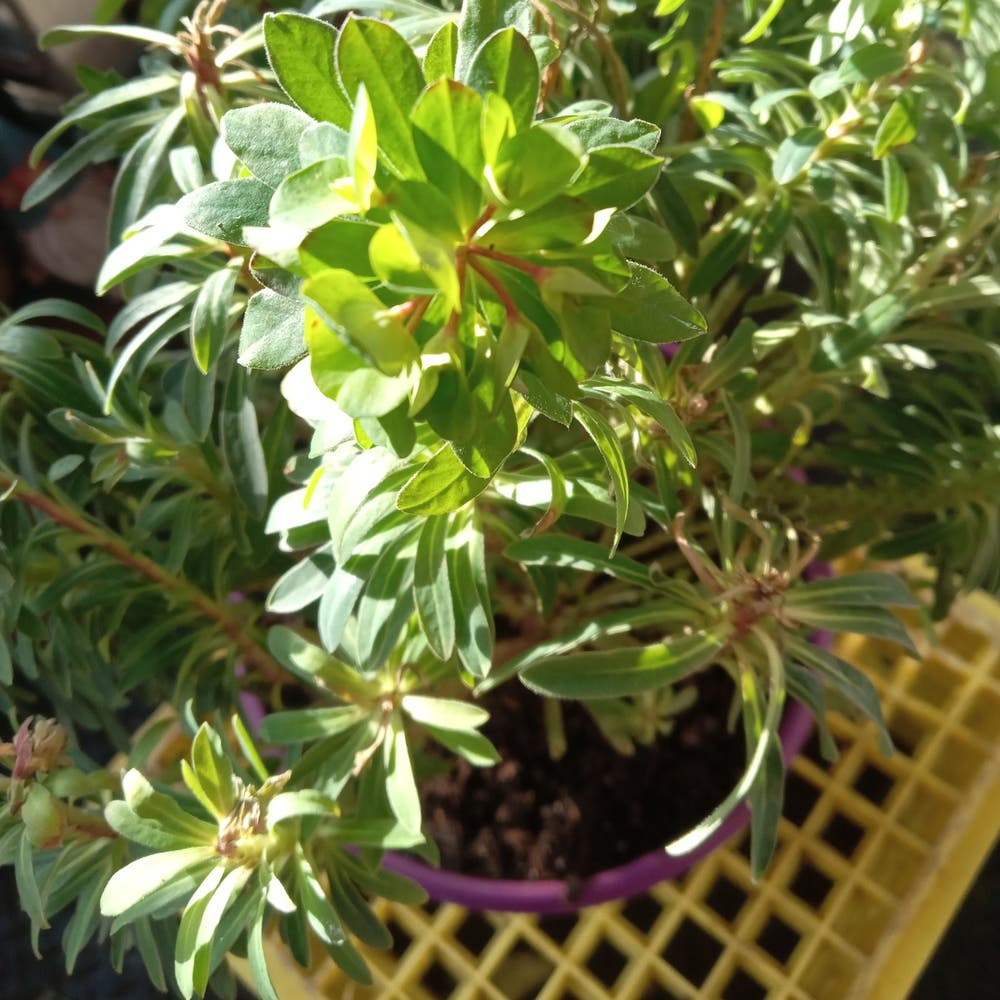
Albanian spurge is a striking plant, known for its succulent leaves and distinctive flowering structure. Its vibrant green foliage and unique blooms make it a standout in any garden.
🐾 Most Appealing Parts to Animals
Young Shoots
The young shoots of Albanian spurge are particularly appealing due to their tender texture and high nutritional value. Herbivores are drawn to these fresh growths, often nibbling them down to the ground.
Flowers
The flowers are another favorite among various herbivores. Their accessibility and nutrient-rich composition attract a range of animals looking for a tasty snack.
Fruits
Finally, the fruits of Albanian spurge are nutrient-rich, making them irresistible to many creatures. This combination of appealing features ensures that the plant garners attention from a variety of herbivores.
Understanding these characteristics can help you better protect your Albanian spurge from potential threats. Next, we’ll explore the common herbivores that may be affecting your plants.
Common Herbivores Affecting Albanian Spurge
🦌 Deer
Signs of presence and damage caused
Deer are often the first culprits when it comes to Albanian Spurge damage. Look for hoof prints in muddy areas and signs of browsing on leaves and stems, which can lead to stunted growth.
Beneficial vs. harmful interactions
Interactions with deer are generally harmful. If left unmanaged, they can decimate your Albanian Spurge population.
Deterrent methods
To keep deer at bay, consider using commercial chemical repellents. Organic options like garlic spray, human hair, or soap shavings can also be effective.
🐇 Rabbits
Signs of presence and damage caused
Rabbits leave small, round droppings near the plants. Their damage is evident through chewed stems and leaves, often resulting in clean cuts.
Beneficial vs. harmful interactions
Rabbits are generally harmful to Albanian Spurge. Their feeding can significantly reduce the plant's vigor.
Deterrent methods
For rabbits, bitter-tasting chemical repellents work well. You can also use organic deterrents like fencing or planting rabbit-resistant plants nearby.
🐿️ Squirrels
Signs of presence and damage caused
Squirrels can be sneaky. Look for signs like nesting in nearby trees and digging around the base of your plants. They often strip bark and dig up roots.
Beneficial vs. harmful interactions
Squirrels are generally harmful. Their activities can weaken the overall structure of your Albanian Spurge.
Deterrent methods
Capsaicin-based sprays serve as effective chemical repellents against squirrels. For organic solutions, consider motion-activated sprinklers or reflective materials.
🐦 Birds
Signs of presence and damage caused
Birds leave feathered droppings and peck marks on flowers. They often eat seeds and flowers, which can reduce reproductive success.
Beneficial vs. harmful interactions
Bird interactions are mixed. While some birds may help control pests, others can be detrimental to your plants.
Deterrent methods
Non-toxic bird deterrents are available as chemical options. For organic methods, scare tactics like reflective tape or decoys can be quite effective.
🐭 Rodents (mice, voles, etc.)
Signs of presence and damage caused
Rodents leave behind tunnels or burrows near your plants. Their gnawing on roots and stems can lead to significant plant decline.
Beneficial vs. harmful interactions
Rodents are generally harmful. They can cause considerable damage to your Albanian Spurge.
Deterrent methods
For rodents, chemical repellents like bait stations can be useful. Organic deterrents include traps and planting mint or other deterrent plants nearby.
Understanding the herbivores that affect your Albanian Spurge is crucial for effective management. With the right deterrent methods, you can protect your plants while maintaining a healthy ecosystem. Next, we’ll explore the beneficial animals that can positively impact your garden.
Beneficial Animals and Ecosystem Impact
Attracting Pollinators 🐝
Albanian Spurge is a magnet for beneficial animals, especially pollinators like bees and butterflies. These creatures are drawn to the plant's vibrant flowers, playing a crucial role in the pollination process.
Insect Allies 🐞
Certain beetles also find their way to Albanian Spurge. These insects help control pest populations, creating a healthier garden environment.
Enhancing Biodiversity 🌿
By attracting these beneficial species, Albanian Spurge enhances biodiversity in your garden. It provides essential food and habitat, fostering a thriving ecosystem.
Natural Pest Control 🦗
The presence of these animals leads to natural pest control. This reduces the need for chemical interventions, promoting a more sustainable gardening approach.
Conclusion
Incorporating Albanian Spurge into your garden not only beautifies the space but also supports a balanced ecosystem. This symbiotic relationship between plants and animals is vital for maintaining garden health and resilience.
Seasonal Considerations
🌱 Seasonal Variations in Animal Attraction to Albanian Spurge
As the seasons change, so does the activity of animals drawn to Albanian Spurge. In spring, expect a surge in herbivore activity as they emerge from hibernation, eager to munch on fresh growth.
During summer, feeding peaks for many herbivores. This is when your Albanian Spurge faces its greatest threat, as animals are actively foraging for sustenance.
In fall, animals prepare for winter, leading to increased foraging behavior. They stock up on nutrients, making your plants prime targets once again.
⏰ Timing of Plant Vulnerability
The young shoots and flowers of Albanian Spurge are most vulnerable in early spring. This is when they are tender and nutrient-rich, attracting hungry herbivores.
While mature plants are more resilient, they can still suffer from heavy feeding. It's crucial to monitor them throughout the growing season to ensure their health.
Toxicity and Animal Interactions
☠️ Toxic Effects of Albanian Spurge on Herbivores
Albanian Spurge contains milky latex sap, a toxic compound that can deter some animals. This natural defense mechanism helps protect the plant from excessive herbivory.
However, not all animals are put off by this toxicity. Some may be resistant, leading to complex interactions that can impact plant health. Understanding these dynamics is essential for effective management strategies.
By recognizing which animals are deterred and which are not, you can better protect your Albanian Spurge while maintaining a balanced ecosystem.
⚠️ Safety First
This content is for general information and may contain errors, omissions, or outdated details. It is not medical, veterinary advice, or an endorsement of therapeutic claims.
Always consult a qualified healthcare professional before using any plant as food, medicine, or supplement.
Never eat any plant (or feed one to pets) without confirming its identity with at least two trusted sources.
If you suspect poisoning, call Poison Control (800) 222-1222, the Pet Poison Helpline (800) 213-6680, or your local emergency service immediately.
Spotted an error? Please report it here.
Protect your Albanian spurge from hungry herbivores with Greg's tailored care tips 🌿, ensuring your garden stays vibrant and healthy all season long!