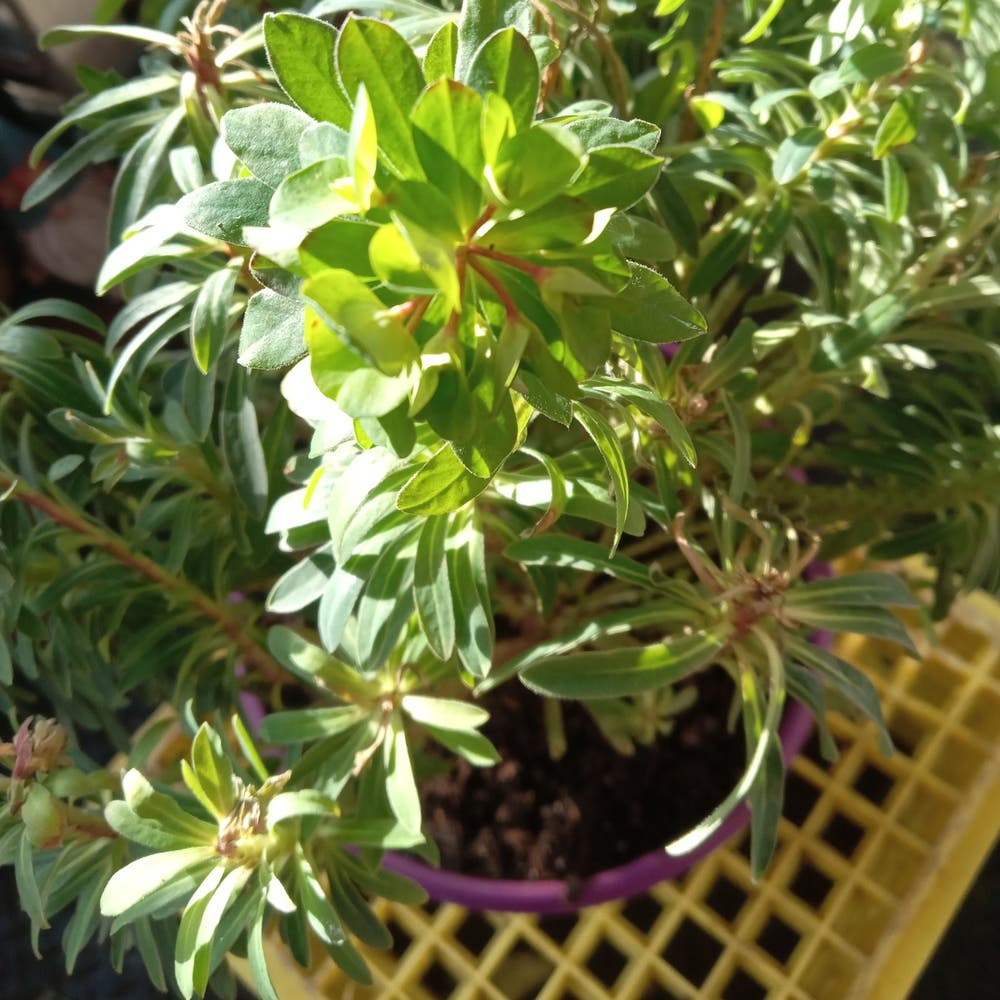
Best Spurge Varieties 🌼
Euphorbia characias
By the Greg Editorial Team
Jan 07, 2025•6 min read
This article was created with the help of AI so we can cover more plants for you. May contain errors. See one? Report it here.
Elevate your garden's beauty with vibrant, low-maintenance spurge varieties that thrive effortlessly! 🌿
- 🌼 Spurge varieties enhance gardens with diverse colors, textures, and low-maintenance care.
- 🌿 'Diamond Frost' and 'Ascot Rainbow' are perfect for borders and shady spots.
- 🌞 Drought-tolerant spurge thrives in well-draining soil, ideal for easy gardening.
Popular Spurge Cultivars
🌱 Characteristics and Uses
Spurge plants are a fantastic addition to any garden, offering a variety of cultivars that cater to different aesthetic and functional needs. Let's explore some of the most popular spurge varieties and their unique characteristics.
'Diamond Frost'
'Diamond Frost' is a standout cultivar known for its delicate, airy appearance. With its small white flowers and fine, lacy foliage, it brings a lightness to garden beds and containers, making it perfect for borders or as a filler in mixed plantings.
'Ascot Rainbow'
If you’re looking for vibrant color, 'Ascot Rainbow' is your go-to. This cultivar features striking variegated leaves that showcase shades of green, yellow, and pink, adding a splash of color to any landscape. It's particularly effective in brightening up shady spots.
'Euphorbia polychroma'
Known for its robust growth habits, 'Euphorbia polychroma' is a versatile choice for gardeners. This cultivar produces bright yellow bracts in spring, making it an excellent option for mass plantings or as a focal point in rock gardens.
'Euphorbia myrsinites'
'Euphorbia myrsinites' offers unique traits that set it apart from other spurge varieties. Its trailing growth habit and succulent-like leaves make it ideal for cascading over walls or containers, while its drought tolerance ensures it thrives in various conditions.
These popular spurge cultivars not only enhance the beauty of your garden but also provide practical benefits, such as drought resistance and low maintenance. As we delve deeper into the unique characteristics of spurge varieties, you'll discover even more reasons to love these resilient plants.
Unique Characteristics of Spurge Varieties
🌈 Color Variations Among Different Cultivars
Spurge plants are celebrated for their vibrant color palettes, making them a favorite in many gardens.
Greens
Many spurge varieties boast lush green foliage, providing a fresh backdrop for other plants. These greens can range from deep emerald to bright lime, adding a lively touch to any landscape.
Yellows
Bright yellow bracts are a hallmark of certain cultivars, such as 'Euphorbia polychroma'. These cheerful hues can light up a garden, especially in spring and summer.
Reds and Purples
For those seeking a splash of drama, some spurge varieties showcase stunning reds and purples. These unique cultivars can create striking focal points in garden beds, drawing the eye and sparking interest.
Incorporating colorful spurge plants into your landscape can enhance visual appeal and create a dynamic environment. Their diverse color options allow for creative combinations with other plants, ensuring your garden remains vibrant throughout the seasons.
📏 Size Differences and Growth Habits
Spurge cultivars also vary significantly in size, offering options for every garden space.
Low-Growing Ground Covers
Some spurge varieties serve as excellent low-growing ground covers, perfect for filling in bare spots. These plants typically reach heights of 6 to 12 inches, making them ideal for borders or as a living mulch.
Taller Varieties
On the other hand, taller spurge varieties can reach heights of 2 to 3 feet or more. These plants add vertical interest and can serve as striking backdrops in mixed borders.
Understanding the growth habits of spurge is crucial for effective gardening. Some cultivars spread out, creating a lush carpet, while others grow upright, providing structure and height. This knowledge helps gardeners choose the right spurge for their specific landscape needs.
As you explore the unique characteristics of spurge varieties, consider how their colors and sizes can enhance your garden design. Next, we’ll delve into hybrid and rare spurge varieties that offer even more intriguing options for your planting palette.
Hybrid and Rare Spurge Varieties
🌱 Notable Hybrid Varieties
Hybrid spurge varieties offer unique characteristics that can enhance any garden.
Euphorbia x martini
This hybrid is known for its compact growth and striking foliage. With its vibrant green leaves and bright yellow bracts, 'Euphorbia x martini' adds a splash of color to your landscape while requiring minimal care.
Euphorbia x characias
Another standout is 'Euphorbia x characias,' which features upright growth and a more robust structure. This variety thrives in sunny spots and is perfect for creating a bold statement in garden beds.
🌟 Characteristics of Rare Spurge Cultivars
Rare spurge cultivars bring distinct traits that can elevate your gardening experience.
Euphorbia griffithii
Take 'Euphorbia griffithii,' for example; it showcases unique foliage with vibrant orange flowers. This cultivar not only adds visual interest but also attracts pollinators, making it a fantastic choice for eco-conscious gardeners.
Euphorbia amygdaloides
On the other hand, 'Euphorbia amygdaloides' requires special care, thriving in well-drained soil and partial shade. Its lush green leaves and subtle yellow flowers create a serene atmosphere, perfect for shaded garden corners.
These hybrid and rare varieties not only diversify your plant collection but also offer unique aesthetics and care challenges. As you explore these options, consider how they can fit into your overall landscape design.
Care Requirements for Specific Cultivars
🌱 Special Care Needs for Popular Cultivars
Caring for popular spurge cultivars is relatively straightforward, thanks to their drought-tolerant nature. These plants thrive with minimal watering, making them ideal for low-maintenance gardens.
When it comes to soil, spurge prefers well-draining conditions. This ensures that their roots remain healthy and prevents issues like root rot.
🌞 Environmental Preferences for Rare Varieties
Rare spurge cultivars often have specific environmental needs that must be met for optimal growth. Many of these varieties flourish in full sun, while some can adapt to partial shade.
Soil type is also crucial for these rare gems. They typically require well-drained soil to thrive, so consider drainage solutions if your garden has heavy clay or compacted soil.
Understanding these care requirements will help you cultivate a thriving spurge garden, whether you're working with popular or rare varieties. Next, let's explore the unique characteristics that set different spurge cultivars apart.
Comparative Analysis of Spurge Varieties
Differences Between Species and Cultivars 🌱
Understanding the distinctions between common spurge species and their cultivars is essential for any gardener. While species plants typically exhibit a more uniform appearance, cultivars are bred for specific traits, such as color, size, and growth habits.
Cultivars often showcase unique features that make them stand out. For instance, some may have variegated leaves or specific flower colors that are not found in their species counterparts. Recognizing these differences can significantly enhance your gardening success, allowing you to select the right plants for your landscape.
Landscape Applications for Various Spurge Types 🌳
Spurge varieties offer a wealth of possibilities for landscape design. Their versatility makes them suitable for various applications, ensuring that every garden can benefit from their unique characteristics.
Ground Cover Applications
Low-maintenance spurge options, such as 'Euphorbia myrsinites,' work wonderfully as ground covers. They spread efficiently, suppressing weeds while adding texture and color to your garden.
Vertical Interest
For height in garden beds, taller cultivars like 'Euphorbia x characias' provide striking vertical interest. Their upright growth forms create a beautiful contrast against lower-growing plants.
Colorful Accents
Incorporating vibrant spurge plants can add visual impact to your landscape. Varieties with bright bracts or unique foliage colors can serve as eye-catching focal points, enhancing the overall aesthetic of your garden.
By understanding the differences between spurge species and cultivars, as well as their landscape applications, you can make informed choices that elevate your gardening experience. Next, let's explore the care requirements for specific cultivars to ensure they thrive in your garden.
⚠️ Safety First
This content is for general information and may contain errors, omissions, or outdated details. It is not medical, veterinary advice, or an endorsement of therapeutic claims.
Always consult a qualified healthcare professional before using any plant as food, medicine, or supplement.
Never eat any plant (or feed one to pets) without confirming its identity with at least two trusted sources.
If you suspect poisoning, call Poison Control (800) 222-1222, the Pet Poison Helpline (800) 213-6680, or your local emergency service immediately.
Spotted an error? Please report it here.
Elevate your garden's aesthetic with vibrant spurge varieties 🌼, and let Greg guide you in selecting the best cultivars and providing personalized care reminders for thriving plants!