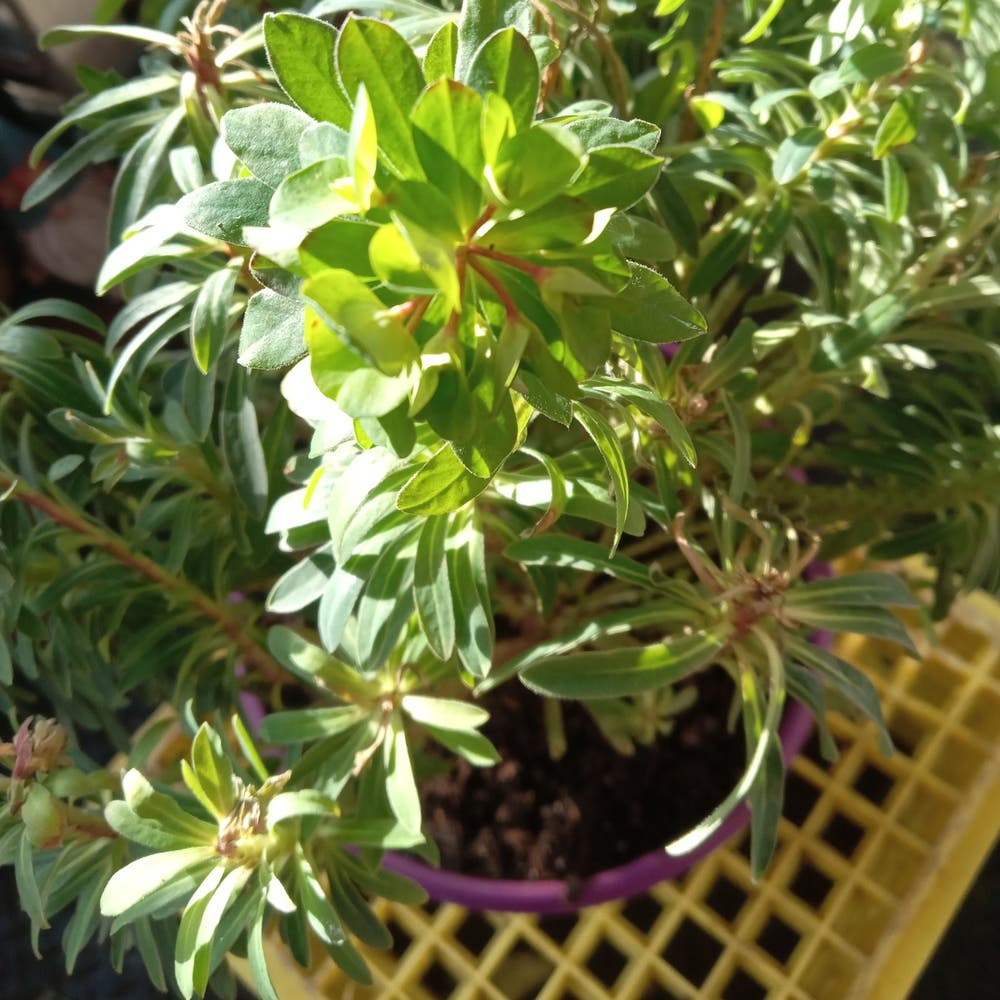
How to Cure Droopy Leaves on Your Spurge 😩
Euphorbia characias
By the Greg Editorial Team
Jan 07, 2025•4 min read
This article was created with the help of AI so we can cover more plants for you. May contain errors. See one? Report it here.
Restore your droopy Spurge leaves 🌱 with these quick diagnosis and care tips for a thriving plant!
- 🌱 Droopy leaves signal distress; look for curling, yellowing, or browning edges.
- 💧 Check soil moisture regularly to avoid overwatering or underwatering your Spurge.
- 🌞 Bright, indirect light is essential; adjust exposure for optimal plant health.
Diagnosing Droopy Leaves
🌿 Visual Symptoms: How to Identify Droopy Leaves
Droopy leaves can signal distress in your Spurge. Look for leaves that droop downwards or curl, as well as color changes like yellowing or browning edges.
Early detection is crucial. Identifying these symptoms promptly can prevent further damage and help your plant recover more effectively.
💧 Assessing Soil Moisture: Techniques for Checking Water Levels
To check soil moisture, you have a couple of effective methods. The finger test involves inserting your finger into the soil to gauge moisture levels, while a moisture meter provides accurate readings.
Timing is key when checking moisture. Adjust the frequency of your checks based on environmental conditions, such as temperature and humidity.
☀️ Environmental Factors: Evaluating Light and Temperature Conditions
Assessing light exposure is essential for your Spurge's health. You can measure light intensity using a light meter or simply observe how your plant behaves in its current spot.
If your plant isn't thriving, consider adjusting its placement. Moving it to a brighter or shadier location can make a significant difference.
Temperature also plays a vital role. Regularly monitor indoor temperatures with a thermometer to ensure they remain within the optimal range for your Spurge.
With these diagnostic steps, you’ll be well on your way to identifying the causes of droopy leaves and taking action to restore your plant's vitality. Next, let’s explore how to treat those droopy leaves effectively.
Treating Droopy Leaves
Step-by-Step Guide to Adjusting Watering Practices 🌊
Determine Current Watering Frequency: Start by assessing how often you currently water your Spurge. This will give you a baseline to work from.
Adjust Based on Plant Needs: Spurge plants are drought-tolerant, so tailor your watering schedule to their specific needs. Overwatering can lead to droopy leaves, so it's crucial to find that sweet spot.
Implement a Consistent Routine: Establish a reliable watering schedule that aligns with your plant's growth stage and the season. Consistency is key to keeping your Spurge healthy and vibrant.
Improving Soil Drainage: Tips and Techniques 💧
Choosing the Right Soil Mix: Use a blend of potting soil, sand, and perlite to create a well-draining environment. This mix helps prevent water retention, which can lead to droopy leaves.
Repotting Techniques: Select a pot with drainage holes to allow excess water to escape. Adding materials like gravel or clay balls at the bottom can further enhance drainage.
Pest Control Methods: Organic and Chemical Solutions 🐞
Organic Pest Control Options: Consider making homemade insecticidal soap using simple ingredients. You can also introduce beneficial insects like ladybugs or lacewings to help manage pests naturally.
Chemical Pest Control Options: If you opt for chemical solutions, choose pesticides that are safe for Spurge. Always follow label instructions for effective application.
Disease Management: Treatment Options for Affected Plants 🦠
Identifying Affected Areas: Regularly inspect your Spurge for signs of disease, focusing on leaves and stems. Early detection is crucial for effective treatment.
Treatment Strategies: Apply fungicides according to manufacturer guidelines to combat fungal issues. Additionally, improve air circulation and reduce humidity around your plant to prevent future outbreaks.
By following these steps, you can effectively treat droopy leaves and restore your Spurge to its thriving state. Next, let’s explore how to prevent future droopy leaves through best practices in watering and care.
Preventing Future Droopy Leaves
🌊 Best Practices for Watering Spurge
Establishing a consistent watering schedule is crucial for your Spurge's health. Adjust the frequency based on the season and the plant's growth stage to ensure it receives the right amount of moisture.
Watch for signs that indicate your plant's watering needs. If the leaves start to droop or curl, it may be time to reassess your watering routine.
🌱 Ideal Soil Mix for Spurge Health
Using a well-draining potting mix is essential for Spurge. This type of soil promotes aeration and prevents water retention, which can lead to droopy leaves.
Consider creating custom soil mixes tailored to specific Spurge varieties. This approach can enhance drainage and provide the nutrients your plant craves.
☀️ Optimal Light Conditions for Spurge
Understanding your Spurge's light needs is key to preventing droopy leaves. It thrives in bright, indirect light, which supports healthy growth.
Be mindful of seasonal changes and adjust your plant's light exposure accordingly. This simple tweak can make a significant difference in your Spurge's vitality.
🔍 Regular Maintenance: Monitoring and Care Routines
Routine inspections are vital for keeping your Spurge healthy. Regularly check for pests, diseases, and moisture levels to catch any issues early.
Adjust your care practices based on seasonal changes. This proactive approach will help maintain your plant's health and prevent future droopy leaves.
By following these best practices, you can ensure your Spurge remains vibrant and healthy, ready to thrive in your home. Next, let's explore how to treat droopy leaves effectively when they do occur.
⚠️ Safety First
This content is for general information and may contain errors, omissions, or outdated details. It is not medical, veterinary advice, or an endorsement of therapeutic claims.
Always consult a qualified healthcare professional before using any plant as food, medicine, or supplement.
Never eat any plant (or feed one to pets) without confirming its identity with at least two trusted sources.
If you suspect poisoning, call Poison Control (800) 222-1222, the Pet Poison Helpline (800) 213-6680, or your local emergency service immediately.
Spotted an error? Please report it here.
Revive your Spurge's droopy leaves by staying vigilant with moisture checks and environmental care, and let Greg's personalized reminders 🌿 help you keep your plant thriving!