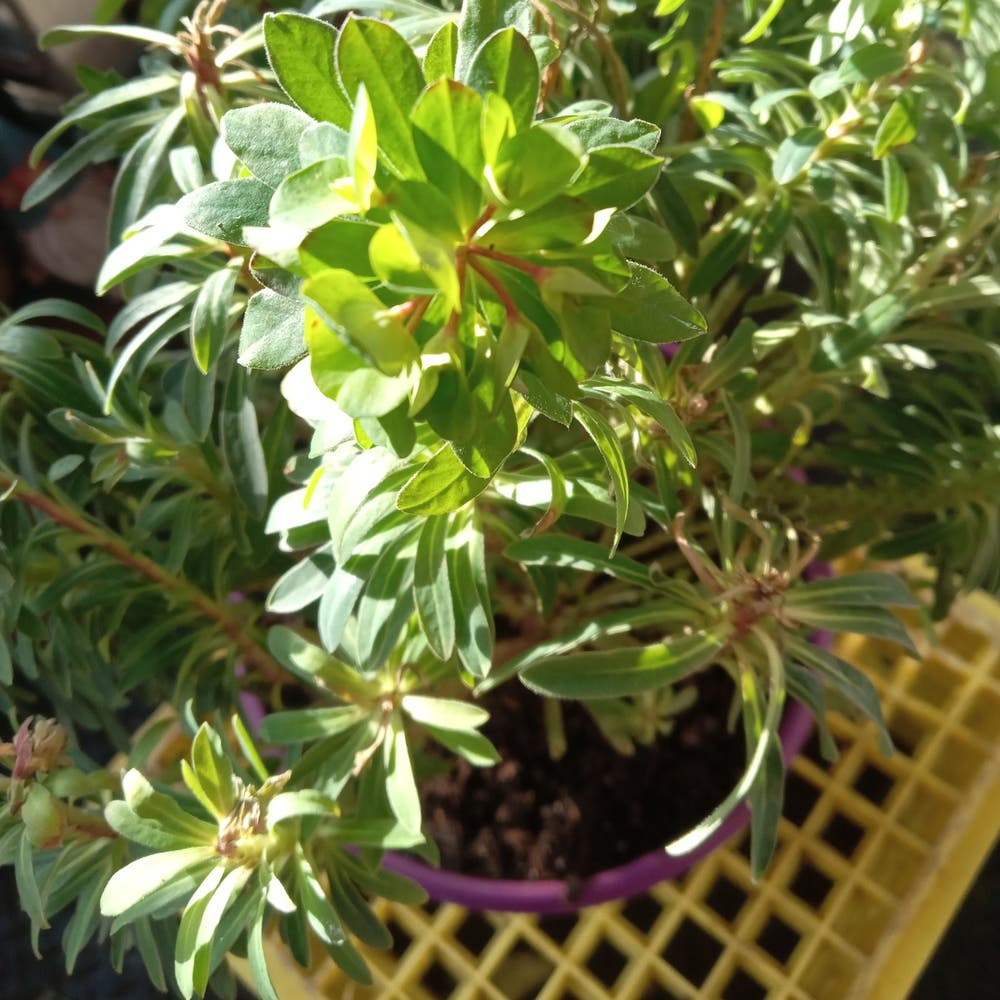
💧 Albanian Spurge Care: Preventing Wilting
Euphorbia characias
By the Greg Editorial Team
Sep 30, 2024•4 min read
This article was created with the help of AI so we can cover more plants for you. May contain errors. See one? Report it here.
Transform your wilting plants 🌱 into thriving beauties by mastering essential care techniques and solutions!
- 💧 Wilting leaves indicate water stress, heat stress, or disease-related issues in Albanian Spurge.
- 🌞 Heat stress causes yellowing and crispy edges; relocate to a shadier spot.
- 🌱 Consistent watering and well-draining soil are essential for preventing wilting.
Common Causes of Wilting Leaves
💧 Water Stress
Wilting leaves often signal water stress, which can manifest as drooping leaves, dry soil, and leaf curl. This condition typically arises from inconsistent watering practices, leading to either overwatering or underwatering.
☀️ Heat Stress
Heat stress is another common culprit, presenting symptoms like yellowing or brown leaves, crispy edges, and overall droopiness. This often occurs when plants are exposed to excessive sunlight or high temperatures without adequate hydration.
🦠 Disease-Related Wilting
While disease-related wilting can occur, it's less common. Signs include yellowing leaves, stunted growth, and wilting despite proper care, but it's crucial to focus on environmental factors first, as pathogenic wilt is rare.
Understanding these causes is essential for effective plant care. By recognizing the signs early, you can take proactive steps to revive your Albanian Spurge and keep it thriving.
Diagnosing Wilting
🌱 Step-by-Step Guide
Assess Soil Moisture: Start by checking the top inch of the soil. If it feels dry, your plant may be thirsty; if it's soggy, you might be overwatering.
Evaluate Environmental Conditions: Take a moment to monitor the temperature and light exposure. Is your plant getting too much sun or is it too cold?
Inspect for Pests or Diseases: Look closely for any signs of infestation or unusual leaf patterns. Pests can wreak havoc, so catching them early is crucial.
🔍 Identifying Symptoms
Water Stress Indicators
- Soil Dryness: If the soil is dry, your plant is likely stressed.
- Leaf Droop: Leaves that hang down can indicate a lack of water.
- Curling Leaves: This is a clear sign that your plant is struggling.
Heat Stress Indicators
- Leaf Discoloration: Yellow or brown leaves can signal overheating.
- Crispy Edges: If the edges of the leaves are crispy, your plant needs relief.
- Overall Wilting: A droopy appearance often means your plant is overwhelmed by heat.
By following these steps and recognizing these symptoms, you can effectively diagnose the cause of wilting in your Albanian Spurge. This proactive approach will set the stage for effective solutions, ensuring your plant thrives.
Solutions for Wilting Leaves
🌊 Addressing Water Stress
To tackle water stress, start by adjusting your watering schedule. Water deeply but infrequently, allowing the soil to dry out between waterings to promote healthy root growth.
Next, consider soil amendments. Ensure your soil is well-draining to prevent waterlogging, which can suffocate roots and lead to wilting.
☀️ Addressing Heat Stress
If your plant is suffering from heat stress, relocating it can make a significant difference. Move it to a shadier spot during peak sunlight hours to protect it from excessive heat.
Additionally, increasing humidity can help. Use a humidity tray or mist the plant occasionally to create a more favorable environment.
🦠 Techniques for Disease-Related Wilting
For disease-related wilting, start by removing affected leaves. Pruning any yellowing or damaged foliage encourages new growth and helps the plant focus its energy on healthier parts.
Improving air circulation is also crucial. Ensure adequate spacing between plants to reduce humidity buildup, which can foster disease.
By implementing these solutions, you can effectively address the common causes of wilting leaves and promote a healthier plant. Next, let’s explore preventive measures to keep your Albanian Spurge thriving.
Preventive Measures
Best Practices 🌱
Establishing a consistent watering routine is crucial for your Albanian Spurge. Set reminders to help you stick to a schedule, ensuring your plant receives the right amount of moisture.
Regularly monitor environmental conditions, too. Keep an eye on temperature and humidity levels to create a thriving atmosphere for your plant.
Conditions to Monitor 🌡️
Soil moisture levels are key. Aim for consistent moisture without waterlogging, as this balance is vital for healthy growth.
Temperature fluctuations can be detrimental. Protect your plant from extreme heat or cold drafts to maintain its well-being.
When to Seek Help
Signs Indicating the Need for Assistance 🌱
If your Albanian spurge is wilting persistently despite your best care efforts, it may be time to seek help. Look for signs of severe pest infestations or diseases, such as unusual leaf patterns or excessive yellowing.
Resources for Assistance 🛠️
Local nurseries can be a goldmine of tailored advice from experts who understand your specific plant needs. Additionally, online plant care communities offer a platform to engage with fellow plant enthusiasts, sharing experiences and solutions that can help revive your wilting plant.
By recognizing when to reach out for help, you can ensure your Albanian spurge gets back on track to thriving health. Next, let’s explore preventive measures to keep your plant flourishing and avoid future wilting issues.
⚠️ Safety First
This content is for general information and may contain errors, omissions, or outdated details. It is not medical, veterinary advice, or an endorsement of therapeutic claims.
Always consult a qualified healthcare professional before using any plant as food, medicine, or supplement.
Never eat any plant (or feed one to pets) without confirming its identity with at least two trusted sources.
If you suspect poisoning, call Poison Control (800) 222-1222, the Pet Poison Helpline (800) 213-6680, or your local emergency service immediately.
Spotted an error? Please report it here.
Keep your Albanian Spurge thriving 🌱 by using Greg's tailored watering reminders and community insights to prevent wilting and promote vibrant growth!