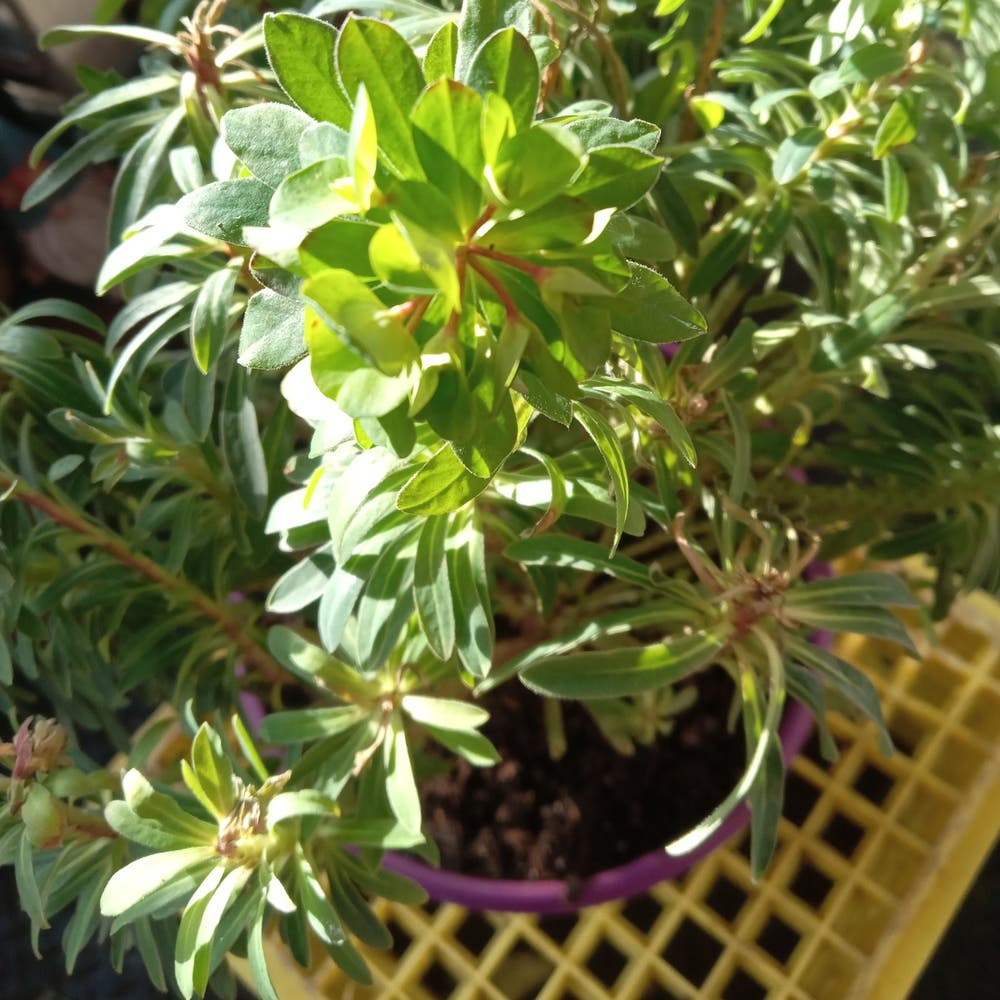
Why Is My Albanian Spurge Not Doing Well?
Euphorbia characias
By the Greg Editorial Team
Jun 18, 2024•4 min read
This article was created with the help of AI so we can cover more plants for you. May contain errors. See one? Report it here.
Revive your wilting Albanian Spurge 🌿 with the right tweaks to water, light, and temperature!
- 💧 Balance watering; avoid over/under-watering to prevent yellowing or wilted leaves.
- ☀️🌡️ Bright light, stable 18-24ºC temps are crucial; shield from scorch and drafts.
- 🐛 Combat pests and mold with insecticidal soap or neem oil; ensure good air flow.
When Water Works Against You
💧 Spotting Water Woes
Over-watering turns your Albanian Spurge's personal ecosystem into a swampy mess. Look for yellowing leaves, a sign they're practically waving a white flag. Under-watering isn't any kinder, leaving your plant's foliage wilted and tips as brown as a well-done steak.
🚿 Fine-Tuning Your Watering Routine
Achieving the perfect watering balance is like being a DJ for your plant's soil moisture—keep it damp, not drenched. Consistency is your best friend here; water less when it's cool, more when it's hot. And for Pete's sake, make sure your pot has proper drainage. If you're the forgetful type, set reminders—your plant's survival depends on it.

Light and Temperature: The Balancing Act
🌿 Reading the Leaves for Light Levels
Bright, indirect sunlight is the Goldilocks zone for your Albanian Spurge. If the leaves sport brown or white spots, it's screaming for shade. Conversely, a pale, stretched-out plant is craving more light. Rotate your Spurge to ensure even exposure without playing favorites.
🌡️ Keeping the Temperature Just Right
The ideal temperature for your Spurge hovers between 18-24ºC (64-75ºF). Consistency is key; avoid placing it near drafty windows or heaters. Think of it as avoiding temperature-induced mood swings for your plant. Keep the vibe steady, and your Spurge will thank you.

The Unseen Enemies: Pests and Diseases
🐛 Pests: The Telltale Signs
Your Albanian Spurge might be under siege by tiny terrors if you notice sticky residue or a cluster of small bugs. Aphids, spider mites, and mealybugs are the usual suspects, each with a modus operandi of draining your plant's vitality.
- Aphids are sap-suckers that can cause leaves to curl and stunt growth.
- Spider mites leave behind fine webs and speckled leaves.
- Mealybugs look like tiny cotton swabs and secrete honeydew, leading to sooty mold.
Combat these pests with a one-two punch of insecticidal soap or neem oil, applied diligently until the pests are history.
🍄 Fungal Foes: Mold and Root Rot
Fungi are the silent assassins in your Spurge's pot. Mold and root rot thrive in moisture-rich environments, often a result of overzealous watering.
- Mold appears as fuzzy or powdery growths on soil or leaves.
- Root rot turns roots into a mushy, brown mess, often with a foul odor.
To fight back, reduce watering and improve drainage. Infected parts should be removed immediately. If root rot has set in, repotting in fresh soil might save your plant. Remember, prevention is better than cure, so keep the soil moist but never soggy.

Environmental Stress and Your Spurge
🛡️ Shielding from Scorch and Drafts
Leaf scorch is the plant's SOS signal, often a result of too much sun or a drafty spot. To shield your Albanian Spurge, find a location that's bright but not under the direct assault of the sun's rays. Drafts are sneaky; they can come from an open window or even air conditioning vents. Keep your plant away from these areas to avoid the leaf equivalent of windburn.
💨 The Air Around: Circulation and Humidity
Air circulation is crucial, think of it as the plant's respiratory system. A stagnant room is a breeding ground for trouble, so consider a gentle fan to keep the air moving. However, don't turn your plant into a windsock; the goal is a light breeze, not a gale.
Humidity is another silent factor in your Spurge's health. Too low, and you'll see leaves crisp up like autumn foliage; too high, and they'll droop in despair. Aim for that sweet spot in humidity, which might mean investing in a humidifier or moving your plant to a naturally more humid room like the bathroom. Remember, consistency is key—your Spurge isn't a fan of sudden environmental plot twists.
⚠️ Safety First
This content is for general information and may contain errors, omissions, or outdated details. It is not medical, veterinary advice, or an endorsement of therapeutic claims.
Always consult a qualified healthcare professional before using any plant as food, medicine, or supplement.
Never eat any plant (or feed one to pets) without confirming its identity with at least two trusted sources.
If you suspect poisoning, call Poison Control (800) 222-1222, the Pet Poison Helpline (800) 213-6680, or your local emergency service immediately.
Spotted an error? Please report it here.
By mastering the art of plant care, you can keep your Albanian Spurge flourishing, and with Greg's 🌱 custom care reminders, you'll effortlessly avoid the pitfalls of yellow leaves and pesky pests.