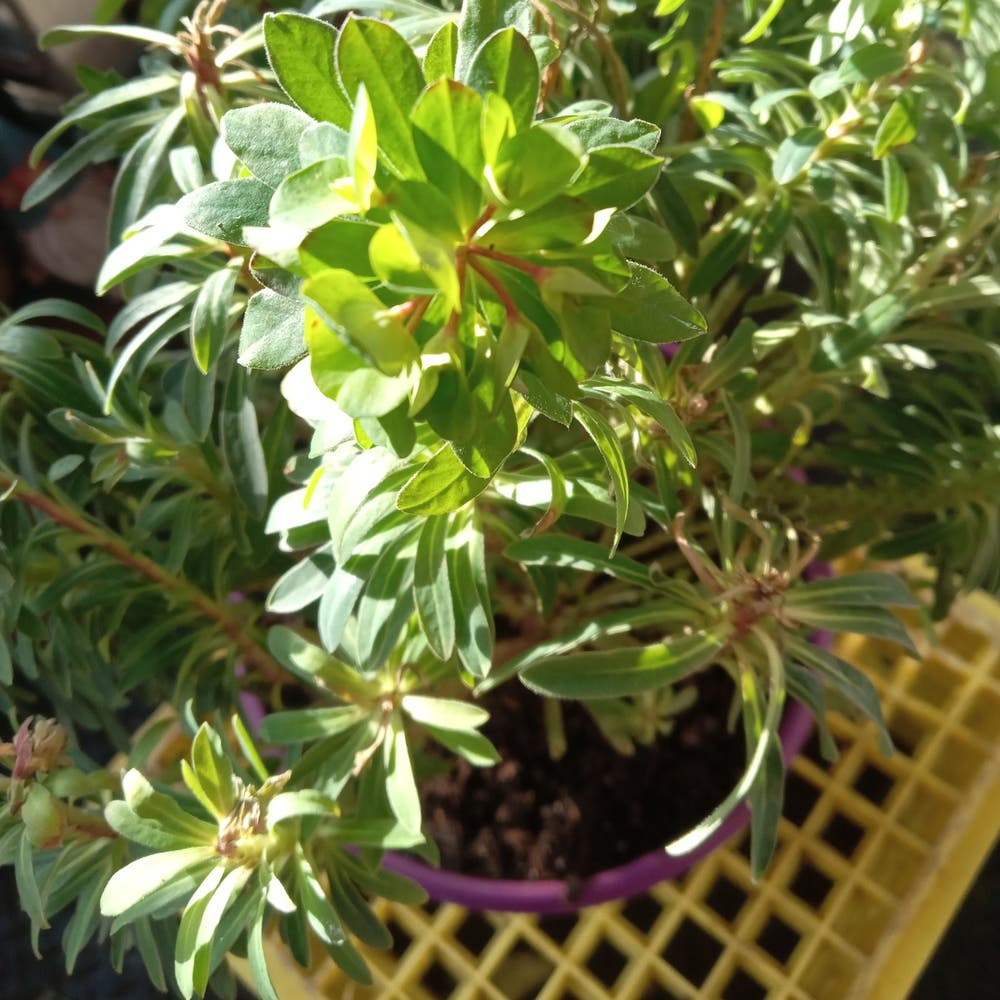
Why Are My Albanian Spurge Leaves Dropping?
Euphorbia characias
By the Greg Editorial Team
Jun 18, 2024•4 min read
This article was created with the help of AI so we can cover more plants for you. May contain errors. See one? Report it here.
Halt the Albanian Spurge leaf-drop mystery 🍂 with our targeted care tips!
- Overwatering and underwatering both lead to leaf drop; monitor soil moisture.
- Protect from extremes in temperature, light, and humidity to prevent leaf shedding.
- Inspect and treat for pests and diseases to maintain leaf health.
When Overwatering Takes a Toll
🚱 Spotting the Signs of Waterlogged Roots
Yellowing leaves and a musty smell from the soil are distress signals from your Albanian Spurge. Overwatering can turn roots into mush, a silent killer beneath the surface. If the soil feels more like a swamp than a fertile bed, it's time to intervene.
Fine-Tuning Your Watering Routine
Adjust your watering strategy to match the plant's actual thirst. Ditch the calendar-based approach; instead, check the soil's moisture by feeling an inch below the surface. If it's damp, skip the waterworks. Ensure your pot has drainage holes to avoid creating a miniature flood zone. Remember, consistency is key, but so is flexibility.
The Thirsty Plant: Underwatering Woes
🏜️ Recognizing Drought Stress
Underwatering transforms your Albanian Spurge into a leaf-shedding machine. The plant starts dropping leaves like hot potatoes to conserve water and energy. Yellowing leaves, a classic SOS signal, indicate that your Spurge is thirstier than a marathon runner with no water station in sight. If the leaves are more wrinkled than a linen shirt at a summer wedding, it's a clear sign that your watering game needs to step up.
Establishing a Thirst-Quenching Schedule
To prevent your Spurge from becoming a botanical tumbleweed, monitor soil moisture like a hawk. Forget the calendar; your plant doesn't care if it's Tuesday or Friday. When the top inch of soil feels as dry as a stand-up comedian's wit, it's time to water. But be cautious—overwatering is the evil twin of drought. Think of mulch as your moisture moderator, keeping the soil's thirst quenched without going overboard. And remember, a balanced watering routine is the secret sauce to keeping those leaves from bailing.
Battling Environmental Stress
🛡️ Shielding from Extreme Conditions
Extreme temperatures and abrupt changes can send your Albanian Spurge into a leaf-dropping frenzy. Protect your plant from temperature tantrums by keeping it away from drafty windows and too-close encounters with heaters or air conditioners.
In the throes of summer, your spurge might start to feel the burn. Position it to bask in the gentle morning sun or the dappled shade, sparing it the midday solar smackdown.
🌿 Creating a Leaf-Friendly Habitat
Creating a consistent environment is like setting the thermostat for your own comfort—only it's for your plant. Monitor the humidity and temperature with gadgets like thermometers and hygrometers to avoid turning your green oasis into a plant stress-test chamber.
If your air is drier than a comedian's monologue, consider using a humidifier or a pebble tray to introduce some moisture. Remember, consistency is key—your plant craves routine like we crave our morning coffee.
Prune away the sun-scorched or damaged leaves to help your plant focus its energy on the healthy ones. Think of it as redirecting traffic away from a roadblock, allowing for a smooth journey towards growth.
Lastly, don't forget to adjust your care with the seasons. Move your plants away from cold, drafty spots in winter and provide extra humidity against the dry heat. In summer, ensure good airflow to prevent your plant from wilting like a forgotten salad.
Pests and Diseases: Silent Leaf Snatchers
🕵️ Identifying Invisible Foes
Pests and diseases can be the stealthy culprits behind your Albanian Spurge's leaf drop. Vigilance is key; regularly inspect your plant for signs of trouble. Discoloration, spots, or the presence of tiny insects are red flags. Spider mites, aphids, and mealybugs are notorious for sapping the life from leaves, while fungal diseases like powdery mildew and leaf spot leave their own distinctive marks.
🛡️ Implementing a Defense Strategy
To defend your plant, think of yourself as a green-thumbed ninja. Isolate any affected plants to contain the issue. For pests, insecticidal soap or neem oil can be effective—apply with care, especially under the leaves. Introducing beneficial insects like ladybugs can also help control pest populations naturally. For fungal foes, improve air circulation and water at the plant's base to keep leaves dry. If necessary, use a targeted fungicide, but always opt for eco-friendly options. Regular pruning of affected areas can prevent the spread of disease and pests, keeping your plant healthy and leaf-drop-free.
⚠️ Safety First
This content is for general information and may contain errors, omissions, or outdated details. It is not medical, veterinary advice, or an endorsement of therapeutic claims.
Always consult a qualified healthcare professional before using any plant as food, medicine, or supplement.
Never eat any plant (or feed one to pets) without confirming its identity with at least two trusted sources.
If you suspect poisoning, call Poison Control (800) 222-1222, the Pet Poison Helpline (800) 213-6680, or your local emergency service immediately.
Spotted an error? Please report it here.
Keep your Albanian Spurge's leaves firmly in place and flourishing 🌱 with Greg's personalized care plan that adjusts to your home's humidity, temperature, and lighting.