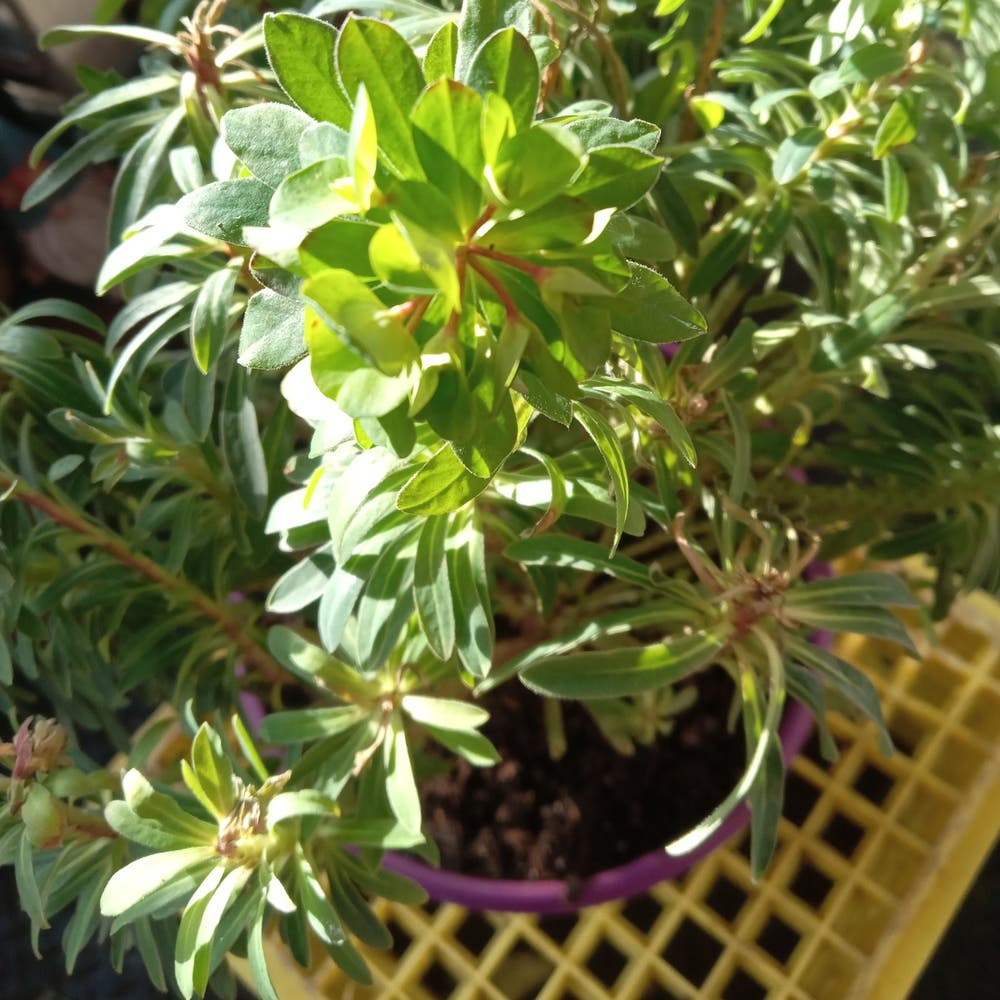
Why Are There Black Spots on My Albanian Spurge Leaves?
Euphorbia characias
By the Greg Editorial Team
Jun 18, 2024•3 min read
This article was created with the help of AI so we can cover more plants for you. May contain errors. See one? Report it here.
Eradicate mysterious black spots on your Albanian Spurge with proven care tips 🍃💡!
- Fungi and bacteria: Main villains behind black spots on plants.
- Immediate action: Prune affected leaves, adjust care to prevent spread.
- Prevention is key: Proper watering, airflow, and cleanliness shield plants.
Spotting the Culprits: Identifying Black Spot Causes
🍄 Fungal Foes
Fungi are the plant world's party crashers, notorious for leaving black spots as their calling card. Circular or irregular black lesions, sometimes with a powdery surface, scream fungal infection. If you see red or yellow halos, that's the plant's distress signal, marking the zone of infection.
🦠 Bacterial Baddies
Bacterial spots can be even sneakier. Look for greasy spots with dark margins or concentric rings. These aren't just cosmetic flaws; they're evidence of a bacterial bash happening at your plant's expense. Remember, a cozy, moist environment is a bacteria's paradise.
🌡️ Environmental Stress Signals
Don't ignore the silent screams for help. Environmental stress can also manifest as black spots. Too much sun or extreme temperatures can send your plant into distress, and black spots are its SOS. Keep an eye out for dime-sized, circular brown lesions with yellow halos – your plant's version of a bullseye.

Plant Care 101
Choosing the Right Plants for Your Space
Watering Tips for Healthy Plants
Soil and Fertilizer Basics
Dealing with Common Pests and Diseases
Pruning and Trimming Techniques
Propagation Methods for New Plants
Creating a Plant Care Schedule

Long-Term Healing: Treatment Strategies
🍄 Going Fungicidal
When black spots persist, it's time to bring out the fungicides. Timing is critical; apply during the cooler parts of the day to maximize effectiveness. Always spot-test a small area first to prevent any adverse reactions. Remember, overusing a single fungicide can lead to resistant strains of fungi. Rotate products to keep the fungi on their toes—think of it as a strategic game of chess with your plant's health at stake.
🦠 Bactericidal Backup
If bacteria are your culprits, reach for bactericides. Copper compounds are often recommended, but they're not a universal fix. Just like antibiotics, use them judiciously to prevent the rise of resistant bacterial strains. It's a delicate balance—too little, and the bacteria thrive; too much, and you risk harming your plant or the environment. Always follow the label for the correct dosage and application method.

Fortifying Your Plant: Prevention Tactics
💪 Cultural Strongholds
Routine is king when it comes to plant health. Establish a watering schedule that aligns with your Albanian Spurge's needs, taking into account seasonal changes in humidity and temperature. Pruning isn't just a cosmetic chore; it's a strategic defense, removing potentially infected parts to prevent disease spread. Use sterilized tools to avoid introducing new problems.
Cleanliness can't be overstated. Keep the area free of fallen leaves and debris, which can harbor pests and diseases. Inspect your plant regularly, like it's under surveillance, to catch any issues before they escalate.
🛡️ Environmental Shielding
Airflow and light are your plant's best allies. Position your Albanian Spurge where it gets the right amount of sun, avoiding the harsh afternoon rays that can stress the plant and invite pathogens. Ensure good air circulation to discourage fungal growth—fungi are no fans of a breeze.
Humidity control is crucial. Too much moisture invites fungal parties, and nobody wants that. Adjust your indoor environment or consider a dehumidifier if you're in a particularly damp area. Remember, the goal is to create a fortress-like setting where black spots dare not tread.
⚠️ Safety First
This content is for general information and may contain errors, omissions, or outdated details. It is not medical, veterinary advice, or an endorsement of therapeutic claims.
Always consult a qualified healthcare professional before using any plant as food, medicine, or supplement.
Never eat any plant (or feed one to pets) without confirming its identity with at least two trusted sources.
If you suspect poisoning, call Poison Control (800) 222-1222, the Pet Poison Helpline (800) 213-6680, or your local emergency service immediately.
Spotted an error? Please report it here.