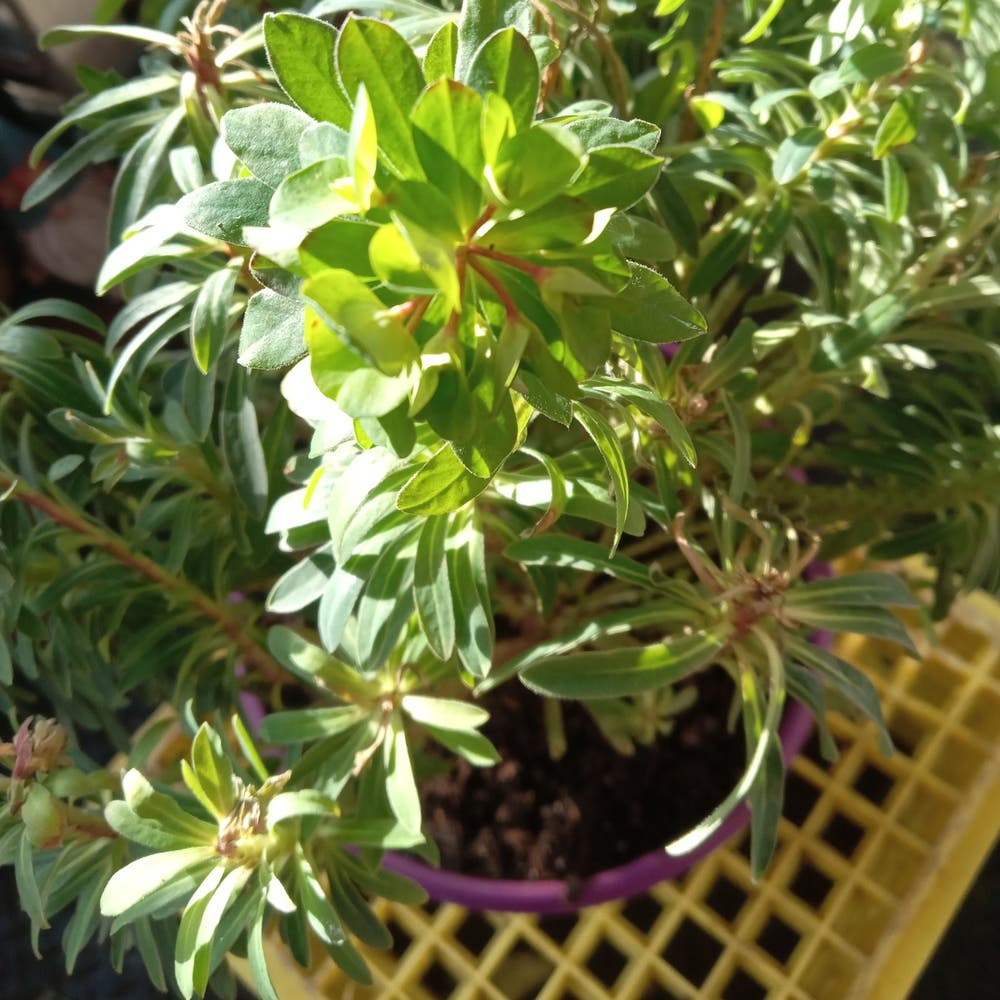
Best Temperature Conditions for Spurge ☀️
Euphorbia characias
By the Greg Editorial Team
Jan 07, 2025•5 min read
This article was created with the help of AI so we can cover more plants for you. May contain errors. See one? Report it here.
Unlock vibrant spurge growth 🌱 by mastering temperature control for thriving plants in any season!
- 🌡️ Ideal spurge temperatures range from 65°F to 80°F for optimal growth.
- ❄️ Minimum 50°F is crucial for active spurge growth; avoid cold stress.
- ☀️ High heat causes wilting and pest susceptibility; provide shade in summer.
Temperature Requirements
Ideal Temperature Range 🌡️
The optimal temperature for spurge plants lies between 65°F to 80°F (18°C to 27°C). While specific species may have slight variations, most thrive within this comfortable range.
Consistent temperatures are crucial for healthy growth. Fluctuations can stress the plant, leading to various health issues.
Temperature Thresholds for Growth and Dormancy 🥶
For active growth, spurge requires a minimum temperature of 50°F (10°C). When temperatures drop below this threshold, many species enter a state of dormancy.
Prolonged exposure to temperatures outside these limits can severely impact plant health. It’s essential to monitor conditions to ensure your spurge remains vibrant and active.
Effects of Temperature Extremes on Health 🔥
High temperatures can lead to stunted growth and wilting. Additionally, plants become more susceptible to pests and diseases when stressed by heat.
Conversely, low temperatures can cause leaf drop and wilting. Sensitive varieties may even suffer frost damage, which can be detrimental to their overall health.
Understanding these temperature requirements is vital for nurturing robust spurge plants. Next, we’ll explore how temperature stress manifests in these resilient species.
Temperature Stress
🌡️ Signs of Heat Stress
Heat stress can be a real challenge for spurge plants. Look for leaf curling and browning at the edges, which are clear indicators that your plant is struggling.
Wilting can also occur, even if you’re watering adequately. This is a sign that the plant is unable to take up water effectively due to high temperatures.
❄️ Signs of Cold Stress
Cold stress presents its own set of symptoms. Yellowing leaves and leaf drop are common signs that your spurge is feeling the chill.
Additionally, soft, mushy stems may indicate frost damage. If you notice stunted growth or complete dormancy, your plant may be suffering from prolonged exposure to cold temperatures.
⚠️ Common Causes of Temperature Stress
Temperature stress often arises from sudden fluctuations. Rapid changes can shock your spurge, leading to various health issues.
Inadequate acclimatization is another culprit. If you fail to gradually introduce your plants to outdoor conditions, they may struggle to adapt.
Lastly, consider the location of your plants. Planting in areas with extreme temperature exposure can exacerbate stress, making it crucial to choose the right spot for your spurge.
Understanding these signs and causes of temperature stress is essential for maintaining healthy spurge plants. Next, let’s explore how seasonal temperature considerations can further impact their growth.
Seasonal Temperature Considerations
❄️ Winter Temperature Care
During winter, it's crucial to maintain a temperature range of 50°F to 60°F (10°C to 15°C) for your spurge. This helps ensure they remain healthy and vibrant.
To protect your plants, consider using frost cloths or moving pots indoors during particularly cold snaps. Regularly monitor for signs of cold stress, such as yellowing leaves or wilting, to catch any issues early.
☀️ Summer Temperature Care
In the summer, aim for a temperature range of 70°F to 90°F (21°C to 32°C) to keep your spurge thriving. Providing shade during extreme heat is essential to prevent overheating.
Additionally, adopt effective watering practices to mitigate heat stress. Deep watering encourages robust root growth, helping your plants withstand the summer heat.
Geographic Considerations
🌍 Native Habitats and Temperature Profiles
Spurge species typically thrive in arid and semi-arid regions, where they have adapted to survive extreme temperature variations. These environments often feature high daytime temperatures paired with cooler nights, allowing spurge to conserve moisture and manage heat effectively.
These adaptations are crucial for their survival. For instance, many spurge varieties have developed thick, waxy leaves that minimize water loss, enabling them to endure prolonged dry spells.
🌡️ Growing in Different Climates
When growing spurge in cooler climates, it's essential to select cold-tolerant varieties. These species can withstand lower temperatures and are better suited for regions with harsh winters.
In contrast, if you're in a hotter climate, ensuring adequate water and shade is vital. Providing these conditions helps prevent heat stress and promotes healthy growth, allowing your spurge to flourish even in the warmest months.
By understanding these geographic considerations, you can create the ideal environment for your spurge, no matter where you live. This knowledge sets the foundation for successful cultivation and vibrant plant health.
Temperature Management Techniques
Indoor Temperature Regulation 🌡️
Maintaining the right temperature indoors is crucial for your spurge's health. Using grow lights can help achieve optimal temperatures, especially in low-light conditions.
Position your plants near windows that receive indirect sunlight to prevent overheating. Regularly monitoring indoor temperatures with thermometers ensures your spurge stays in its ideal range.
Outdoor Temperature Management ☀️
Choosing the right planting location is essential to protect your spurge from extreme temperatures. Look for spots that offer some natural shade during the hottest parts of the day.
During peak summer heat, using shade cloths can help shield your plants from scorching rays. In winter, implementing windbreaks can protect them from cold winds, reducing the risk of temperature stress.
Use of Mulch to Stabilize Soil Temperature 🌱
Organic mulch serves as an excellent insulator against temperature fluctuations. It helps maintain consistent soil temperatures, which is vital for healthy root development.
Recommended types of mulch include bark, straw, or wood chips. When applying, aim for a layer thickness of about 2 to 4 inches, covering the area around your plants to maximize effectiveness.
By implementing these temperature management techniques, you can create a nurturing environment for your spurge, ensuring they thrive throughout the seasons. Next, we'll explore seasonal temperature considerations to further enhance your plant care strategy.
⚠️ Safety First
This content is for general information and may contain errors, omissions, or outdated details. It is not medical, veterinary advice, or an endorsement of therapeutic claims.
Always consult a qualified healthcare professional before using any plant as food, medicine, or supplement.
Never eat any plant (or feed one to pets) without confirming its identity with at least two trusted sources.
If you suspect poisoning, call Poison Control (800) 222-1222, the Pet Poison Helpline (800) 213-6680, or your local emergency service immediately.
Spotted an error? Please report it here.
Keep your spurge thriving 🌱 by using Greg's tailored temperature alerts and care tips to create the ideal environment for your plants!