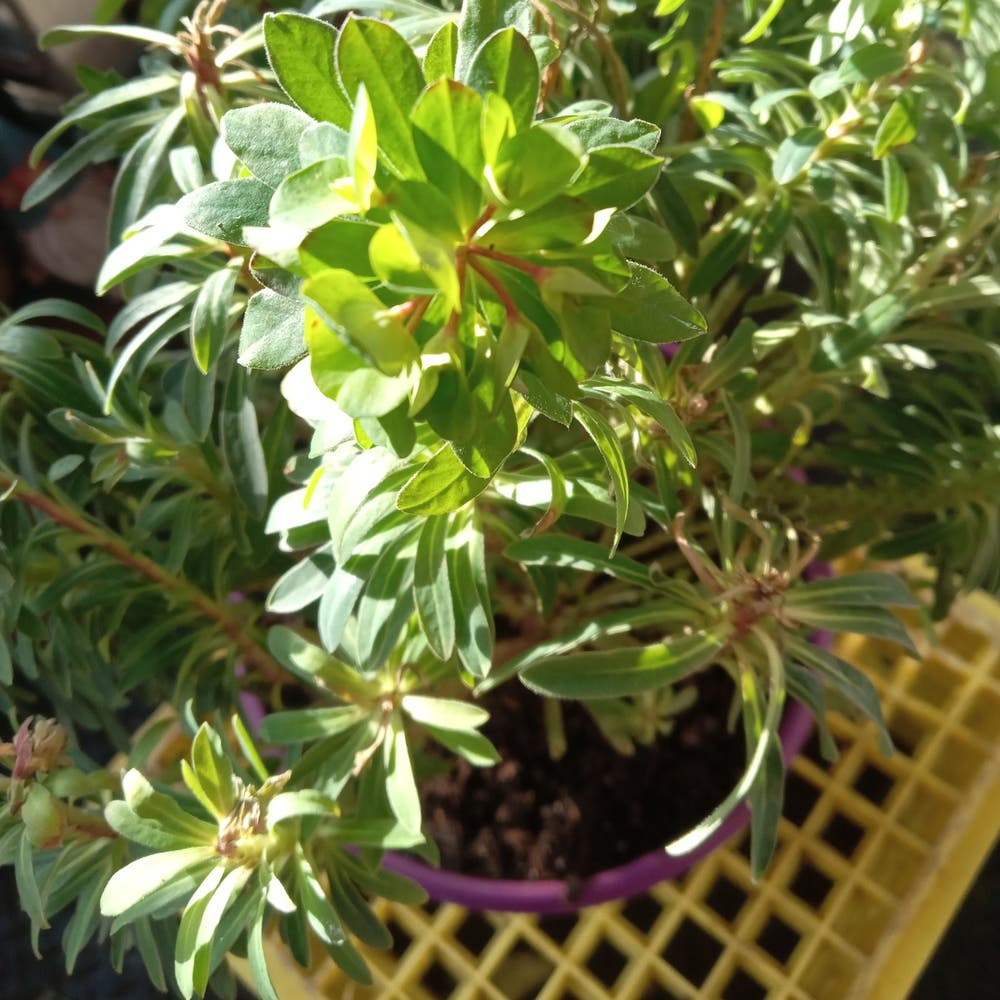
📏 Expected Size of Your Albanian Spurge
Euphorbia characias
By the Greg Editorial Team
Sep 30, 2024•5 min read
This article was created with the help of AI so we can cover more plants for you. May contain errors. See one? Report it here.
Transform your garden with thriving Albanian Spurge 🌱 by mastering its growth secrets and pruning techniques!
- 🌱 Albanian Spurge grows 1-3 feet tall and spreads 2-3 feet wide.
- ☀️ Optimal growth requires full sun, well-drained soil, and consistent moisture.
- ✂️ Prune in early spring to manage size and promote bushier growth.
Mature Height and Spread
Typical Dimensions 🌱
The Albanian Spurge typically reaches a mature height of 1 to 3 feet. Its spread usually spans between 2 to 3 feet, making it a versatile choice for various garden settings.
Factors Influencing Height and Spread 🌍
Several factors can influence the height and spread of your Albanian Spurge. Environmental conditions, such as soil quality, light exposure, and water availability, play a crucial role in its growth.
Younger plants often show smaller dimensions compared to their mature counterparts. As the plant ages and conditions improve, you can expect a noticeable increase in size.
Understanding these dynamics can help you create the ideal environment for your Albanian Spurge, ensuring it thrives and reaches its full potential.
With this foundational knowledge, let's explore how growth rates and time to maturity further shape your gardening experience.
Growth Rate and Time to Maturity
Growth Rate 🌱
The Albanian Spurge exhibits a moderate growth rate. Under optimal conditions, you can expect it to flourish more quickly, especially during the spring and summer months.
Time to Maturity ⏳
Typically, this plant takes about 2 to 3 years to reach its full size. However, various factors like soil quality, light exposure, and water availability can either speed up or slow down this process.
Key Influencers on Growth 🌍
- Soil Quality: Fertile, well-drained soil promotes robust growth.
- Light Exposure: Full sun is ideal; too much shade can hinder development.
- Water Availability: Consistent moisture is crucial for healthy growth.
Understanding these elements can help you create the perfect environment for your Albanian Spurge. By optimizing these conditions, you can enjoy a thriving plant in your garden sooner than you might think.
As we explore the next section, we'll dive into how different environmental factors can lead to size variability in your plants.
Size Variability Based on Conditions
🌍 Environmental Factors
The size of your Albanian Spurge can vary significantly based on environmental conditions. Soil quality plays a crucial role; well-drained, fertile soils encourage larger growth, while poor soil can stunt development.
Light exposure is another key factor. Full sun promotes optimal growth, whereas plants in partial shade may not reach their full potential.
Water availability also impacts size. Consistent moisture supports healthy growth, while drought conditions can limit the plant's overall size.
🔍 Observations of Size Variability
You might notice striking differences in plant size depending on their environment. For instance, Albanian Spurge in rich, well-drained soils can reach heights of up to 3 feet. In contrast, plants struggling in poor soils may only grow to about 1 foot.
Understanding these factors can help you create the ideal conditions for your Albanian Spurge, ensuring it thrives and reaches its full potential. With the right care, you can enjoy a vibrant and healthy plant that enhances your garden's beauty.
As we explore further, let's dive into the fascinating world of dwarf and giant varieties of Albanian Spurge.
Dwarf and Giant Varieties
Dwarf Varieties 🌱
Dwarf varieties of Albanian spurge typically reach a height of around 1 foot. These compact plants are perfect for smaller gardens or container planting, allowing you to enjoy their unique beauty without overwhelming your space.
Giant Varieties 🌳
On the other hand, giant varieties can exceed 3 feet in height under optimal conditions. They serve as stunning focal points in larger landscapes, adding drama and presence to your garden design.
Choosing the Right Variety 🤔
When selecting between dwarf and giant varieties, consider your garden's size and design goals. Dwarf varieties fit snugly into tight spaces, while giants can create impressive visual statements.
Practical Applications 🛠️
Dwarf varieties are excellent for borders or as ground cover, while giant varieties can be used to anchor garden beds or create eye-catching displays. Each type offers unique benefits, making them versatile choices for any gardener.
Conclusion 🎉
Understanding the differences between dwarf and giant varieties helps you make informed decisions for your garden. Whether you opt for the petite charm of dwarfs or the bold stature of giants, both can enhance your outdoor space beautifully.
Next, let’s explore effective pruning techniques to maintain the size and health of your Albanian spurge.
Pruning Techniques for Size Control
🌱 Importance of Pruning
Pruning is essential for managing the size of your Albanian spurge. It encourages bushier growth and helps remove any dead or damaged foliage, keeping your plant healthy and vibrant.
✂️ Pruning Methods
1. Timing
The best time to prune is early spring, just before new growth begins. This timing ensures your plant can recover quickly and thrive.
2. Techniques
- Pinching Back: This method involves removing the tips of stems, which encourages branching and a fuller appearance.
- Thinning: By removing older stems, you promote new growth and improve air circulation within the plant.
3. Frequency
Aim to prune annually or as needed to maintain your desired size. Regular pruning helps keep your Albanian spurge looking its best.
👍 Difficulty Level of Pruning
Pruning is an easy task that most gardeners can handle. With minimal tools and experience, you can effectively manage your plant's size and health.
By incorporating these pruning techniques, you can ensure your Albanian spurge remains a stunning addition to your garden. Next, let’s explore the size variability based on different environmental conditions.
⚠️ Safety First
This content is for general information and may contain errors, omissions, or outdated details. It is not medical, veterinary advice, or an endorsement of therapeutic claims.
Always consult a qualified healthcare professional before using any plant as food, medicine, or supplement.
Never eat any plant (or feed one to pets) without confirming its identity with at least two trusted sources.
If you suspect poisoning, call Poison Control (800) 222-1222, the Pet Poison Helpline (800) 213-6680, or your local emergency service immediately.
Spotted an error? Please report it here.
Unlock your Albanian Spurge's full potential 🌿 with Greg's tailored care tips, ensuring it thrives in the perfect conditions for stunning growth in your garden!