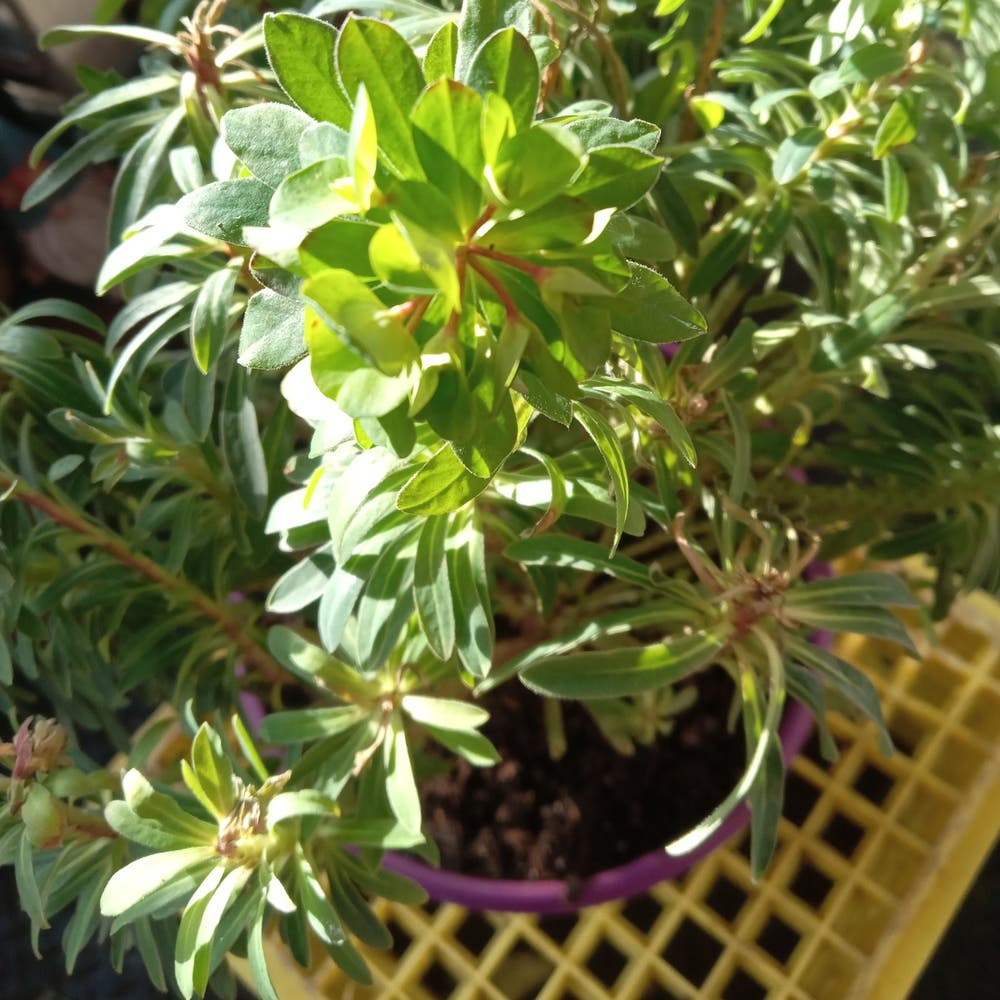
How Do I Cure Albanian Spurge Root Rot?
Euphorbia characias
By the Greg Editorial Team
Jun 18, 2024•3 min read
This article was created with the help of AI so we can cover more plants for you. May contain errors. See one? Report it here.
Rescue your wilting Albanian Spurge 🌿 from root rot's clutches with these life-saving plant care tips!
- 🍂 Yellow leaves and wilting signal root rot in Albanian Spurge.
- 🚿 Overwatering and poor drainage are root rot culprits; adjust care.
- ✂️ Remove mushy roots, repot, and follow proper post-op for recovery.
Spotting the Red Flags: Symptoms of Root Rot in Albanian Spurge
🚩 Visual Distress Signals
Yellow leaves on your Albanian Spurge aren't trying out for autumn's fashion show; they're screaming for help. Discoloration is the plant's distress flare, hinting at a root system in jeopardy.
Wilting is the plant equivalent of a white flag. If your Spurge looks more deflated than a day-old party balloon, it's time to investigate for root rot.
👃 Sniffing Out Trouble
Trust your nose—if the soil around your Albanian Spurge smells like it's plotting a fungal uprising, root rot is likely the culprit. A foul odor is the underground's distress signal, a clear SOS that your plant is in dire straits.

The Root of the Problem: Causes of Root Rot in Albanian Spurge
💧 Water Woes
Overwatering is the equivalent of a plant's midnight snack gone wrong—too much of a good thing is a real problem. Albanian Spurge roots need to breathe, and when they're drowning in excess water, they start to decay. It's a classic case of less is more.
Poor drainage is the sidekick to this soggy crime. It's like a bad plumbing job in your favorite watering hole—no one wants to wade through a flooded bathroom, and your plant's roots don't want to sit in a puddle either.
👾 Unseen Enemies
Fungal pathogens are the ninjas of the plant world, lurking unseen until they strike. Fungi such as Phytophthora and Armillaria love wet conditions as much as ducks do. But unlike our feathered friends, these fungi spell disaster for your Albanian Spurge, turning robust roots into mush.
These microscopic marauders can travel from plant to plant with ease, so if one plant gets it, it's like a cold going around an office—soon everyone's got the sniffles, or in this case, the root rot.

First Aid for Roots: Treating Root Rot Step by Step
🏥 Surgical Precision
Remove the plant gently from its pot, and let's get down to business. Wash off the soil from the roots to expose the damage. Snip off any mushy, discolored roots with sterilized scissors—no mercy for the rotten.
🚑 Post-op Care
Now, let's not drown our sorrows—or our plants. Adjust your watering habits to when the topsoil feels dry. Repot your Albanian Spurge in fresh, well-draining soil and a pot with proper drainage holes. This is root rehab, and we're playing for keeps.

Building Strong Defenses: Preventing Future Root Rot
💧 Watering Wisdom
Watering is less about sticking to a schedule and more about understanding your plant's needs. If the soil's top inch is damp, don't water—simple. During the winter, plants are basically hibernating, so ease up on the hydration. It's a delicate balance; too much love can drown your Albanian Spurge.
🌱 The Right Home for Your Roots
Choosing the right soil is like picking a breathable workout shirt—it should wick away excess moisture. A mix of peat, perlite, and vermiculite is your go-to. As for pots, think of them as shoes for your plant's feet. They need to fit well and have drainage holes to prevent soggy roots. Remember, a pot without holes is a swamp waiting to happen.
⚠️ Safety First
This content is for general information and may contain errors, omissions, or outdated details. It is not medical, veterinary advice, or an endorsement of therapeutic claims.
Always consult a qualified healthcare professional before using any plant as food, medicine, or supplement.
Never eat any plant (or feed one to pets) without confirming its identity with at least two trusted sources.
If you suspect poisoning, call Poison Control (800) 222-1222, the Pet Poison Helpline (800) 213-6680, or your local emergency service immediately.
Spotted an error? Please report it here.
Prevent root rot 🌱 in your Albanian Spurge by letting Greg tailor your watering schedule for healthier, happier plants.