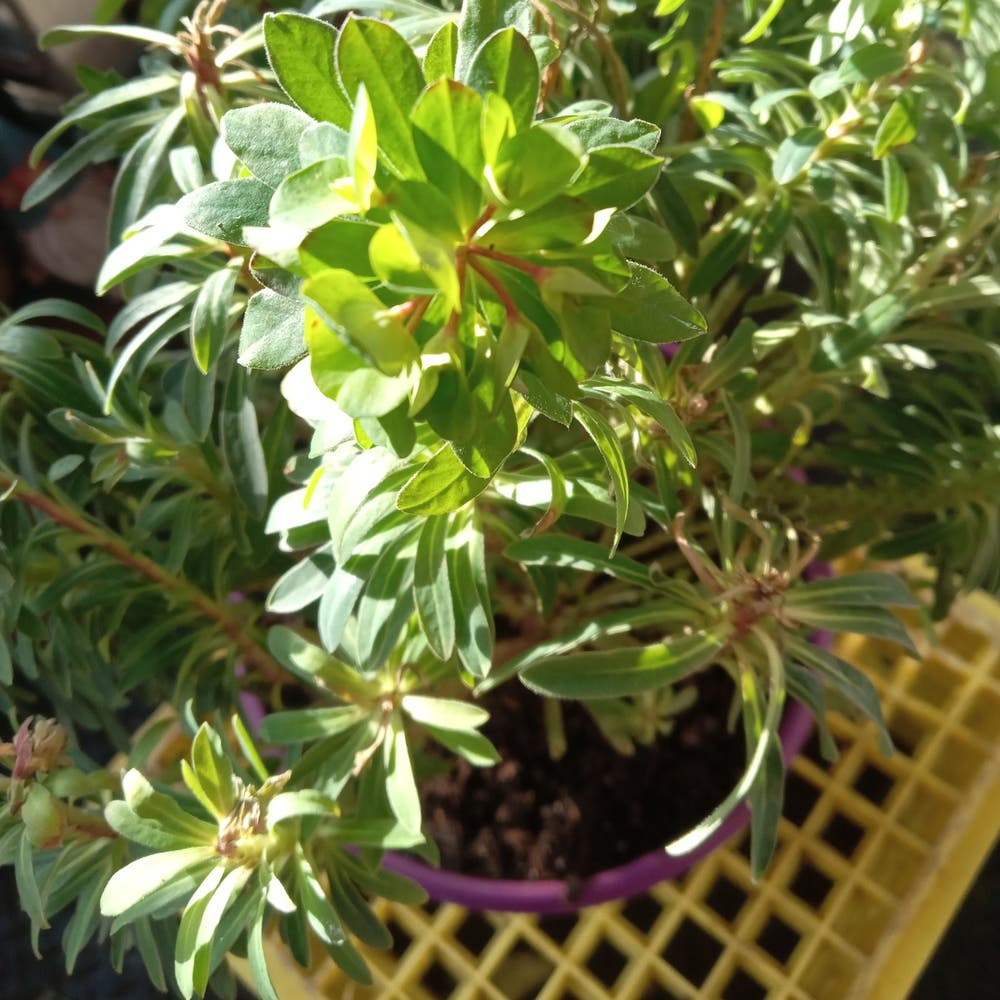
Why Are My Albanian Spurge Leaves Mushy?
Euphorbia characias
By the Greg Editorial Team
Jan 18, 2024•6 min read
This article was created with the help of AI so we can cover more plants for you. May contain errors. See one? Report it here.
Prevent your Albanian Spurge from turning into a mushy mess 🍂 with these essential care tips.
- Overwatering and poor drainage lead to mushy, discolored leaves.
- Fungal infections worsen mushiness; ensure air circulation and clean tools.
- Monitor soil moisture and use well-draining soil to prevent issues.
Spotting the Trouble: Signs of Mushy Leaves
🚨 Visual Cues: Recognizing the Symptoms
Discoloration is a telltale sign. Leaves may turn from a healthy green to a dismal yellow or brown. If they resemble overcooked spinach, you've got a visual red flag.
🖐️ Touch and Tell: The Texture of Trouble
Get hands-on. If the leaves of your Albanian Spurge squish like a ripe tomato under gentle pressure, they're too soft. A healthy leaf should be resilient, not surrender to a light squeeze.
⚠️ When to Worry: Severity of Mushiness
The level of mushiness can range from a slight limpness to full-on plant meltdown. If the leaves are just a bit tender, you might be in the clear with some quick adjustments. But if they're collapsing on contact, it's time to sound the alarms.
Rooting Out the Causes
💦 Too Much Love: The Perils of Overwatering
Overwatering is the helicopter parent of plant care—hovering too close and doing more harm than good. Your Albanian Spurge's leaves turning into a mushy mess is a classic sign you've crossed the line from nurturing to drowning. If the soil feels perpetually wet, like a marshland, you're in over your head.
How to Tell If You're Overdoing It
Check the soil before you water—stick a finger in; if the top inch isn't dry, put the watering can down. A heavy pot is another red flag, indicating that the soil is holding more water than a camel on a good day.
The Soggy Consequences for Your Spurge
Roots need oxygen to thrive, but overwatering suffocates them, leading to root rot. This is the plant equivalent of sending out an SOS. If the roots are as brown and mushy as an old banana, it's time for an intervention.
🚰 Blocked Exits: When Poor Drainage Takes a Toll
Poor drainage is like a clogged drain in your sink—it's only a matter of time before things back up and get messy. Your Spurge's roots are gasping for air, and the leaves are the first to show signs of distress.
Spotting the Signs of Stagnant Water
If water sits on the surface of the soil like a lazy sunbather, you've got a drainage issue. Leaves may start to droop, looking more pitiful than a rain-soaked parade.
The Root of the Problem: Compacted Soil and Its Effects
Compacted soil is like a tight pair of jeans—restrictive and suffocating. It prevents water from draining properly, which means your Spurge's roots are basically trying to breathe underwater.
🍄 Unwanted Guests: Fungal Foes
Fungi are the uninvited party crashers that thrive in moist conditions. They turn your Spurge's roots into a soft, decaying buffet, and the leaves are the unfortunate collateral damage.
Identifying Common Culprits
Look for discoloration or a musty smell—these are the calling cards of fungal infections. It's like finding mold on bread; once it's there, it's a downhill battle.
The Link Between Fungi and Mushiness
Fungi and mushiness go hand in hand like peanut butter and jelly—except this is one sandwich you don't want to make. The excess moisture from overwatering creates a fungal playground, and your Spurge is the unwilling host.
Turning Over a New Leaf: Fixing the Mush
💧 Watering Wisdom: Finding the Balance
Overwatering is like giving your plants a bath with their socks on – uncomfortable and unnecessary. To avoid this, water your Albanian Spurge only when the top inch of soil is dry. Use a soil moisture meter or the trusty finger test to gauge the need for hydration. Remember, it's a drink they need, not a swim.
🛠 Tools and Tricks for Moisture Monitoring
Invest in a soil moisture meter for a no-guess game in watering. Or, if you're feeling old school, stick your finger into the soil. If it's dry up to your first knuckle, it's time to water. Keep your watering can at bay until then; your Spurge isn't throwing a pool party.
🌱 Soil Solutions: Creating the Perfect Bed
Your plant's roots need to breathe, and for that, they need the right soil mix. Combine one part peat with one part perlite for a mix that's as airy as a politician's promises. This ensures good drainage and prevents your Spurge from sitting in moisture like a forgotten gym towel.
🌬 Amending for Aeration and Drainage
If your soil is denser than a fruitcake, it's time to lighten it up. Mix in perlite or coarse sand to give your plant's roots room to spread out and prevent water from getting too clingy. Think of it as relationship advice for your plant's roots and water.
🌱 The Best Soil Mixtures for Your Spurge
A mix of peat, pine bark, and perlite is like a tailored suit for your Spurge – it fits just right. This combo promotes drainage and aeration, preventing the dreaded mush. Don't let your plant's roots suffocate in a tight, wet embrace.
🍄 Fungus Fight: Keeping Diseases at Bay
Fungi are the uninvited guests that never know when to leave. Ensure good air circulation around your plants and avoid wetting the leaves during watering. It's like keeping your plant's personal space clear – no room for gatecrashers.
🌿 Cultural Practices for Disease Prevention
Keep your gardening tools as clean as your kitchen utensils. After all, you wouldn't chop vegetables with a dirty knife. Similarly, don't let your plants get cut by dirty tools. Cleanliness is your first defense against fungal party crashers.
🌾 When to Consider Fungicides
When the fungi have overstayed their welcome, and cultural practices aren't enough, it's time for fungicides. But don't go on a spraying spree. Use them as directed, and only when necessary, like a bouncer selectively turning away troublemakers at the door.
Keeping It Firm: Long-Term Prevention
💧 The Golden Rules of Watering
Consistency is your plant's best friend. Water only when the top inch of soil feels like yesterday's news—dry and slightly crumbly. Forget about watering on a schedule; your plant doesn't wear a watch. Use a moisture meter if you're the type who loves a good gadget, or stick to the tried-and-true finger test.
🌱 Proper Pot Selection and Soil Type
Choosing the right pot and soil for your Albanian Spurge is like picking a tailored suit—it needs to fit just right. Ensure your pot has drainage holes to avoid soggy disasters. As for the soil, think well-draining and breathable. A mix of peat, perlite, and sand usually does the trick, keeping your Spurge's feet dry and comfy.
👩⚕️ Regular Health Checks: The Plant's Physical
Like a yearly doctor's visit, regular check-ups for your plant can catch problems before they become serious. Look for subtle changes in leaf color or a slowdown in growth. These could be your plant's way of whispering, "Hey, I'm not feeling too hot." Catching these signs early means you can adjust care before mushiness takes hold.
⚠️ Safety First
This content is for general information and may contain errors, omissions, or outdated details. It is not medical, veterinary advice, or an endorsement of therapeutic claims.
Always consult a qualified healthcare professional before using any plant as food, medicine, or supplement.
Never eat any plant (or feed one to pets) without confirming its identity with at least two trusted sources.
If you suspect poisoning, call Poison Control (800) 222-1222, the Pet Poison Helpline (800) 213-6680, or your local emergency service immediately.
Spotted an error? Please report it here.
Ensure your Albanian Spurge stays lush and healthy 🌿 by using Greg's personalized reminders to water only when the soil is perfectly dry.