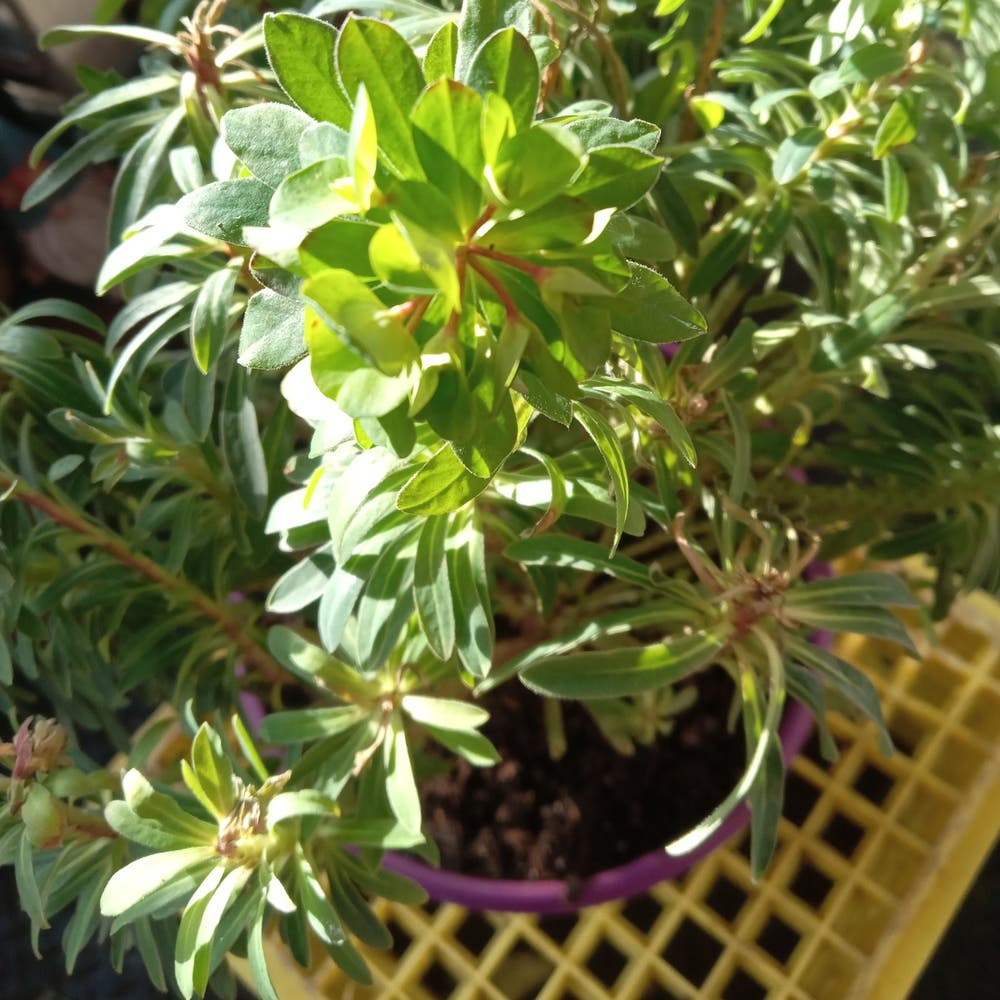
Best Soil for Your Spurge 🥄
Euphorbia characias
By the Greg Editorial Team
Jan 07, 2025•5 min read
This article was created with the help of AI so we can cover more plants for you. May contain errors. See one? Report it here.
Unlock your spurge's full potential 🌱 with the perfect soil mix and essential care tips for thriving plants!
- 🌱 Ideal spurge soil mix: 50% sand, 30% potting soil, 20% compost for thriving plants.
- 💧 Proper drainage is essential; avoid water pooling to prevent root rot.
- 🔍 Signs of unhealthy soil include yellowing leaves and foul odors—act quickly!
Ideal Soil Composition
Ingredients for an Ideal Soil Mix 🌱
Creating the perfect soil mix for your spurge is essential for its health and growth. A well-balanced blend includes:
- 50% coarse sand or perlite: This ensures excellent drainage, preventing water from pooling around the roots.
- 30% potting soil or peat moss: This component provides structure, helping to retain moisture without becoming waterlogged.
- 20% compost or well-rotted manure: This adds essential nutrients, promoting robust growth and vibrant foliage.
Step-by-Step Guide to Mixing Soil 🛠️
Mixing your own soil is straightforward and rewarding. Follow these easy steps:
- Gather materials: You’ll need sand, potting soil, compost, and perlite.
- Combine ingredients: In a large container, mix the components in the specified ratios.
- Mix thoroughly: Ensure a uniform consistency for optimal results.
- Test drainage: Add water to the mixture and observe how well it absorbs. This step is crucial to ensure your spurge thrives.
With this custom soil mix, your spurge will have the ideal environment to flourish. Next, let’s explore how to identify and resolve unhealthy soil conditions to keep your plants thriving.
Identifying and Resolving Unhealthy Soil
Signs of Unhealthy Soil 🌱
Recognizing unhealthy soil is crucial for the well-being of your spurge. Common indicators include stunted growth and yellowing leaves, which signal that your plant isn't thriving.
Another telltale sign is a foul odor emanating from the soil. This unpleasant smell often indicates poor drainage or decay, both of which can harm your plant.
How to Identify Moldy Soil 🦠
Moldy soil presents distinct characteristics that are easy to spot. Look for visible mold growth on the surface, which can appear as fuzzy patches.
Additionally, signs of excessive moisture retention can indicate mold issues. If the soil feels overly wet and doesn't dry out, it's time to take action.
Prevention Strategies for Moldy Soil
To prevent mold from taking hold, proper watering techniques are essential. Avoid overwatering and ensure that your spurge has adequate drainage.
Ensuring good air circulation around the plant is also vital. This can be achieved by spacing plants appropriately and using pots with drainage holes.
Effects of Compacted Soil 🚧
Compacted soil can severely hinder your spurge's growth. The consequences include reduced root growth and nutrient uptake, making it difficult for your plant to thrive.
Moreover, compacted soil increases the risk of root rot due to poor drainage. Roots need space to breathe and absorb water effectively.
How to Identify Compacted Soil
Identifying compacted soil is straightforward. If you struggle to insert a finger or tool into the soil, it’s likely compacted.
A hard, crusty surface that doesn't crumble easily is another sign. This indicates that the soil structure is compromised, making it less hospitable for your spurge.
By recognizing these signs and taking action, you can ensure your spurge has the healthy soil it needs to flourish. Next, let’s explore the recommended soil pH levels for optimal growth.
Recommended Soil pH Levels
Ideal pH Range 🌱
For optimal growth, Spurge plants thrive in soil with a pH level between 6.0 and 7.0. Some varieties, like Euphorbia tirucalli, prefer slightly alkaline conditions, so it's essential to know the specific needs of your plant.
How to Test and Adjust Soil pH 🔬
Testing your soil's pH is straightforward. You can use pH testing kits or meters, which provide quick and accurate readings.
To adjust pH levels, consider these methods:
- Raise pH: Add lime to increase alkalinity.
- Lower pH: Incorporate sulfur to create more acidic conditions.
Make sure to adjust gradually and retest the soil to avoid drastic changes. This approach ensures your Spurge receives the best possible environment for growth.
Understanding and managing soil pH is crucial for healthy plants. With the right pH, your Spurge will flourish, leading to vibrant growth and resilience.
Next, let's explore soil amendments and enhancements that can further improve your Spurge's growing conditions.
Soil Amendments and Enhancements
Recommended Amendments 🌱
To create the best environment for your spurge, consider using specific soil amendments.
- Perlite and Sand: These materials enhance drainage, preventing water from pooling around the roots.
- Organic Matter: Incorporating organic matter helps retain nutrients without holding excessive moisture, which is crucial for healthy growth.
How to Use Amendments 🛠️
Using amendments effectively can significantly improve your soil's performance.
Mixing Ratios for Optimal Drainage ⚖️
For different spurge varieties, the right mixing ratios are essential. A general guideline is to mix:
- 30% Perlite or Sand: This ensures excellent drainage.
- 70% Potting Soil or Compost: Provides structure and nutrients.
Application Techniques for Existing Soil 🌍
You can enhance your existing soil through various application techniques.
- Top-Dressing: Sprinkle a layer of perlite or sand on the soil surface to improve drainage without disturbing the roots.
- Incorporating Amendments: Mix amendments directly into the soil to create a more uniform blend. This is especially effective when preparing new planting areas.
By understanding and applying these amendments, you can create a thriving environment for your spurge.
Next, let's explore the ideal soil pH levels to further optimize your plant's health.
⚠️ Safety First
This content is for general information and may contain errors, omissions, or outdated details. It is not medical, veterinary advice, or an endorsement of therapeutic claims.
Always consult a qualified healthcare professional before using any plant as food, medicine, or supplement.
Never eat any plant (or feed one to pets) without confirming its identity with at least two trusted sources.
If you suspect poisoning, call Poison Control (800) 222-1222, the Pet Poison Helpline (800) 213-6680, or your local emergency service immediately.
Spotted an error? Please report it here.
Mix your own perfect soil blend 🌱 for spurge success with Greg's tailored tips and reminders to keep your plants thriving in their ideal environment!