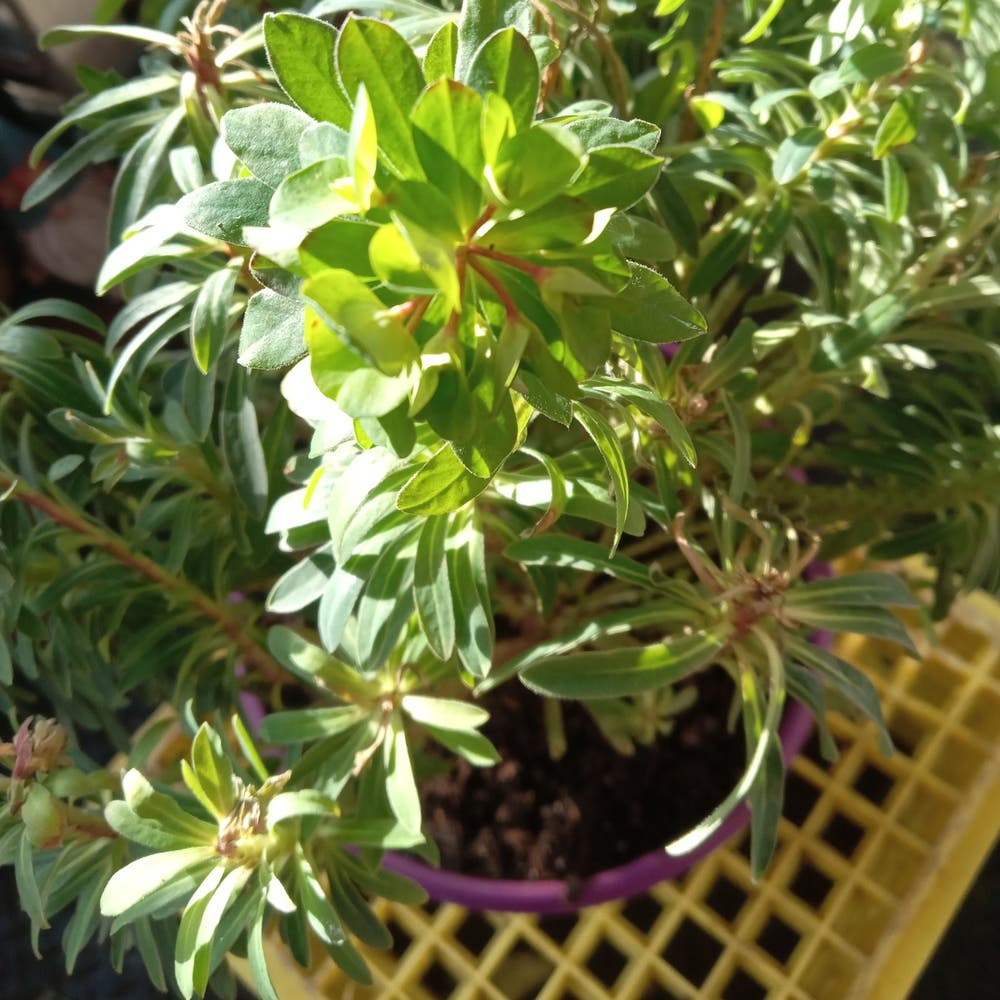
💧 Ultimate Guide to Humidity for Spurge
Euphorbia characias
By the Greg Editorial Team
Jan 07, 2025•7 min read
This article was created with the help of AI so we can cover more plants for you. May contain errors. See one? Report it here.
Keep your Spurge thriving 🌱 by mastering humidity control for vibrant, healthy growth all year round!
- 🌬️ Ideal humidity for Spurge is 30%-50% for optimal growth and health.
- 🌱 Low humidity causes leaf curling and stunted growth; monitor regularly!
- 💧 Excess humidity risks root rot; ensure proper drainage and air circulation.
Ideal Humidity Levels for Spurge
Maintaining the right humidity levels is crucial for the health of your Spurge plants. The recommended relative humidity range for optimal growth is between 30% and 50%.
🌱 Humidity Needs by Species
Different Spurge species have varying humidity preferences.
- Euphorbia tirucalli thrives in lower humidity, ideally around 30%.
- Other varieties may flourish better in slightly higher humidity, up to 50%.
Understanding these specific needs helps you create the perfect environment for your plants.
📏 Monitoring Humidity Levels
Regularly monitoring humidity levels is essential for Spurge care. Using a hygrometer can help you keep track of the moisture in the air, ensuring your plants remain healthy and vibrant.
By staying aware of humidity fluctuations, you can make timely adjustments to your care routine. This proactive approach will help prevent stress and promote robust growth in your Spurge plants.
As we move forward, let’s explore the effects of low and high humidity on Spurge.
Effects of Low and High Humidity on Spurge
🌬️ Symptoms of Low Humidity Stress
Low humidity can be a real challenge for Spurge plants. You might notice leaf curling and browning at the tips, which are clear signs that your plant is stressed.
Stunted growth and reduced vigor often accompany these symptoms, indicating that the plant is struggling to thrive in dry conditions.
⏳ Long-Term Effects of Low Humidity
Over time, low humidity can lead to increased susceptibility to pests and diseases. This stress can even cause sap leakage, further compromising the health of your Spurge.
💧 Symptoms of Excessive Humidity
On the flip side, too much humidity can create its own set of problems. Root rot and fungal infections thrive in damp conditions, leading to yellowing leaves and wilting, even if you're watering adequately.
⚠️ Specific Risks for Sensitive Species
Certain species, like Euphorbia tirucalli, are particularly sensitive to high humidity. They may experience severe health issues, making it crucial to monitor their environment closely.
🌱 Importance of Drainage and Air Circulation
To mitigate the risks associated with both low and high humidity, proper drainage and air circulation are essential. Ensuring your Spurge has good airflow can help maintain a balanced humidity level, promoting overall plant health.
By understanding these effects, you can take proactive steps to keep your Spurge thriving, regardless of the humidity challenges you face. Next, let’s explore local humidity considerations and how they impact your Spurge care.
Local Humidity Considerations
📏 Measuring Local Humidity
Understanding local humidity is crucial for the health of your Spurge. You can measure humidity using hygrometers or weather apps, which provide real-time data.
Additionally, observing local climate patterns and seasonal changes can give you insights into how humidity fluctuates throughout the year.
🌧️ Implications of Local Humidity on Spurge Care
Local humidity levels directly impact your Spurge's care routine. If the humidity is too low, your plants may suffer, while excessive humidity can lead to other issues.
🌸 Seasonal Changes in Humidity Levels
Humidity levels can vary significantly with the seasons.
Winter
During winter, indoor humidity often drops due to heating systems. This can stress your Spurge, so monitoring and adjusting care is essential.
Summer
In summer, humidity levels typically rise, which may require you to adapt your Spurge care. Increased moisture can lead to problems like root rot if not managed properly.
🔄 Adapting Care Based on Seasonal Changes
To keep your Spurge thriving, adjust your care routine according to seasonal humidity changes.
- In winter, consider using a humidifier or placing humidity trays near your plants to maintain moisture levels.
- In summer, ensure proper air circulation and avoid overwatering to prevent fungal issues.
By being proactive and responsive to local humidity, you can create an optimal environment for your Spurge to flourish.
Strategies for Boosting Humidity
🌧️ Creating Humidity Trays
One effective way to boost humidity for your Spurge is by creating humidity trays. Simply fill a shallow tray with pebbles and water, then place your Spurge pot on top, ensuring it doesn’t sit directly in the water.
🌬️ Benefits of Humidity Trays
Humidity trays help maintain consistent moisture levels around your plants. This method is particularly useful in dry environments, as it creates a localized humid microclimate.
💦 Guidelines for Effective Misting
Misting can also enhance humidity, but it’s essential to do it correctly. Aim to mist your Spurge 1-2 times a week, taking care to avoid excess moisture on the leaves.
⏰ Best Time for Misting
The best time to mist is early morning. This timing allows for evaporation throughout the day, preventing any potential issues with mold or mildew.
🌱 Considerations for Different Spurge Species
Different Spurge species may have varying responses to misting. Always consider the specific needs of your plant to avoid overdoing it.
🌿 Benefits of Grouping Spurge with Other Plants
Grouping your Spurge with other plants can create a beneficial microclimate. This arrangement not only raises humidity levels but also promotes overall plant health through shared moisture.
🤖 Types of Humidifiers Suitable for Indoor Use
If you prefer a more automated approach, consider using a humidifier. Both cool mist and warm mist options are available, each with its own benefits.
📍 Placement of Humidifiers
To maximize humidity around your Spurge, strategically place your humidifier nearby. This ensures that the moisture reaches your plants effectively, promoting their growth and vitality.
By implementing these strategies, you can create an ideal humidity environment for your Spurge, enhancing their health and resilience. Next, let’s explore how to reduce humidity when it becomes excessive.
Strategies for Reducing Humidity
🌬️ Importance of Air Circulation
In high humidity environments, air circulation is crucial for the health of your Spurge. Using fans can significantly promote airflow, helping to reduce moisture buildup around the plants.
Opening windows or doors when possible also allows fresh air to circulate, further aiding in humidity control. This simple action can make a big difference in maintaining a balanced environment for your Spurge.
🌱 Recommended Potting Mixes
Choosing the right potting mix is essential for managing humidity levels. Opt for a well-draining soil that includes perlite or sand, as these materials enhance drainage and prevent water retention.
This type of mix helps keep the roots dry, reducing the risk of root rot and other humidity-related issues.
🚿 Signs of Overwatering
It's important to be vigilant about the signs of overwatering, which can be exacerbated by high humidity. Look out for yellowing leaves and mushy stems, as these are clear indicators that your Spurge is struggling.
If you notice these symptoms, it may be time to reassess your watering habits and humidity levels.
💧 Best Practices for Watering
To keep your Spurge thriving, follow best practices for watering. Allow the top inch of soil to dry out before rewatering, ensuring that the plant doesn’t sit in excess moisture.
Additionally, using pots with drainage holes is essential to prevent water accumulation. This simple step can save your plants from the detrimental effects of high humidity.
By implementing these strategies, you can effectively reduce humidity levels around your Spurge, promoting a healthier growing environment. Next, let’s explore common humidity-related problems and how to address them.
Common Humidity-Related Problems
Humidity can significantly impact the health of your Spurge plants. Recognizing the visual indicators of humidity-related stress is crucial for timely intervention.
Signs of Humidity Stress 🌧️
Look out for leaf drop, discoloration, and wilting. These symptoms often signal that your Spurge is struggling with its environment.
Immediate Actions to Take ⚡️
When you notice these signs, adjust the humidity levels promptly. Additionally, inspect your plants for pests or diseases that may develop due to stress.
Preventing Mold Growth 🦠
To prevent mold, ensure proper air circulation and drainage around your Spurge. Regularly inspecting your plants for early signs of mold can help you catch issues before they escalate.
Conclusion 📝
By staying vigilant and responsive to your Spurge's needs, you can maintain a healthy environment for your plants. This proactive approach will set the stage for thriving Spurge, ready to transition into the next topic on strategies for reducing humidity.
⚠️ Safety First
This content is for general information and may contain errors, omissions, or outdated details. It is not medical, veterinary advice, or an endorsement of therapeutic claims.
Always consult a qualified healthcare professional before using any plant as food, medicine, or supplement.
Never eat any plant (or feed one to pets) without confirming its identity with at least two trusted sources.
If you suspect poisoning, call Poison Control (800) 222-1222, the Pet Poison Helpline (800) 213-6680, or your local emergency service immediately.
Spotted an error? Please report it here.
Keep your Spurge thriving 🌿 by using Greg's tailored humidity tips and reminders to create the perfect environment for your plants!