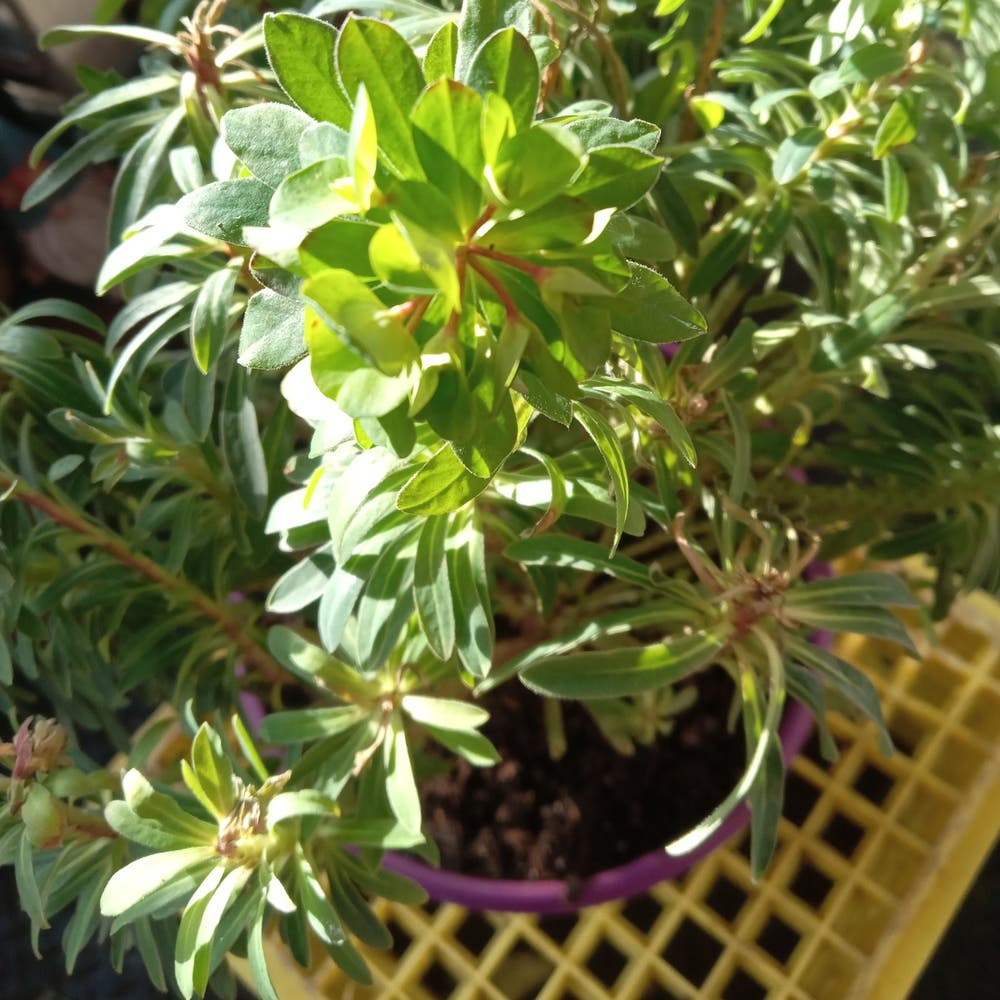
☀️ Direct Sunlight and Your Spurge
Euphorbia characias
By the Greg Editorial Team
Jan 07, 2025•4 min read
This article was created with the help of AI so we can cover more plants for you. May contain errors. See one? Report it here.
Unlock the secret to thriving Spurge plants 🌱 by mastering their sunlight needs for vibrant growth! ☀️
- ☀️ Direct sunlight vs. indirect sunlight: Know the difference for optimal Spurge growth.
- 🌱 Spurge varieties vary in sunlight needs; some thrive in full sun, others prefer shade.
- 🌞 Monitor for sunburn: Excessive sunlight can scorch leaves and stunt Spurge growth.
Definition of Direct Sunlight
🌞 Explanation Suitable for Children
Direct sunlight is the bright light that comes straight from the sun without anything blocking it. Imagine standing outside on a sunny day; that warm glow on your skin is direct sunlight!
🌤️ Contrast with Indirect Sunlight
Indirect sunlight is different; it’s light that has been softened or filtered. For example, when you sit in the shade of a tree or near a window with curtains, you’re experiencing indirect sunlight, which is gentler and less intense.
Spurge's Sunlight Needs
🌞 Does Spurge Need Direct Sunlight?
Spurge plants come in various types, with some thriving in bright, direct sunlight. Varieties like the Euphorbia tirucalli, commonly known as the pencil cactus, love basking in the sun, while others, such as the Euphorbia milii, prefer a bit of shade.
Conversely, certain Spurge species are more adaptable and can flourish in lower light conditions. This flexibility makes them suitable for a range of indoor environments.
☀️ Can Spurge Tolerate Direct Sunlight?
Different Spurge species exhibit varying levels of tolerance to direct sunlight. While some can handle full sun exposure, others may struggle if placed in overly bright conditions.
Many Spurge plants possess succulent-like features that enable them to store water efficiently. This adaptation helps them endure bright light, making them resilient and low-maintenance.
🔥 Effects of Too Much Direct Sunlight on Spurge
Excessive direct sunlight can lead to sunburn in Spurge plants, manifesting as leaf scorch and browning edges. If left unchecked, these symptoms can escalate to wilting and overall decline.
Long-term exposure to harsh sunlight can stunt growth and, in severe cases, even threaten the plant's survival. Monitoring your Spurge's environment is crucial to ensure it thrives without suffering from too much sun.
Understanding these sunlight needs will help you provide the best care for your Spurge, ensuring it remains healthy and vibrant. Next, let’s explore how window direction can impact your plant's sunlight exposure.
Role of Window Direction
🌞 How Different Window Orientations Affect Sunlight Exposure
Understanding how window orientation impacts sunlight is crucial for your Spurge's health.
- South-facing windows: These windows bask in the most direct sunlight all day, making them ideal for Spurge varieties that thrive in bright light.
- East-facing windows: They catch the gentle morning sun, which is less intense but still beneficial for your plants.
- West-facing windows: Expect intense afternoon sunlight here, which can lead to overheating if your Spurge isn't prepared for it.
- North-facing windows: These typically provide only indirect light, which may not meet the needs of all Spurge species.
🪴 Best Window Directions for Spurge
Choosing the right window for your Spurge can make a world of difference.
- For Spurge varieties that love the sun, place them near south-facing windows to soak up all that glorious light.
- If you have a Spurge that prefers a bit of shade, east-facing windows can offer a nice balance of light without overwhelming them.
- For those in need of extra care, consider using sheer curtains in west-facing windows to diffuse the harsh afternoon rays.
- Lastly, if your Spurge is more tolerant of lower light, a north-facing window might work, but keep an eye on their growth.
By strategically placing your Spurge based on these window orientations, you can create an environment that promotes healthy growth and vibrant foliage.
Hemisphere Considerations
🌞 How Sunlight Intensity Varies by Hemisphere
The angle of the sun changes with the seasons, affecting how much sunlight your Spurge receives. In the Northern Hemisphere, the sun is higher in the sky during summer, providing intense light, while in winter, the angle lowers, resulting in less direct sunlight.
Conversely, the Southern Hemisphere experiences similar seasonal shifts but with opposite timing. This means that Spurge plants in these regions may need different care strategies based on the sun's intensity and duration throughout the year.
🌍 Recommendations for Spurge Care in Different Hemispheres
To keep your Spurge thriving, adjust its care according to your local climate. In areas with intense sunlight, consider providing some shade during peak hours to prevent leaf scorch.
For regions with less sunlight, you might need to position your Spurge closer to a window or use grow lights to ensure it gets enough brightness. Always monitor your plants for signs of stress and adjust their environment accordingly to keep them healthy and vibrant.
⚠️ Safety First
This content is for general information and may contain errors, omissions, or outdated details. It is not medical, veterinary advice, or an endorsement of therapeutic claims.
Always consult a qualified healthcare professional before using any plant as food, medicine, or supplement.
Never eat any plant (or feed one to pets) without confirming its identity with at least two trusted sources.
If you suspect poisoning, call Poison Control (800) 222-1222, the Pet Poison Helpline (800) 213-6680, or your local emergency service immediately.
Spotted an error? Please report it here.
Ensure your Spurge plants get the perfect sunlight 🌞 with Greg's tailored care tips that help you avoid sunburn and promote vibrant growth!