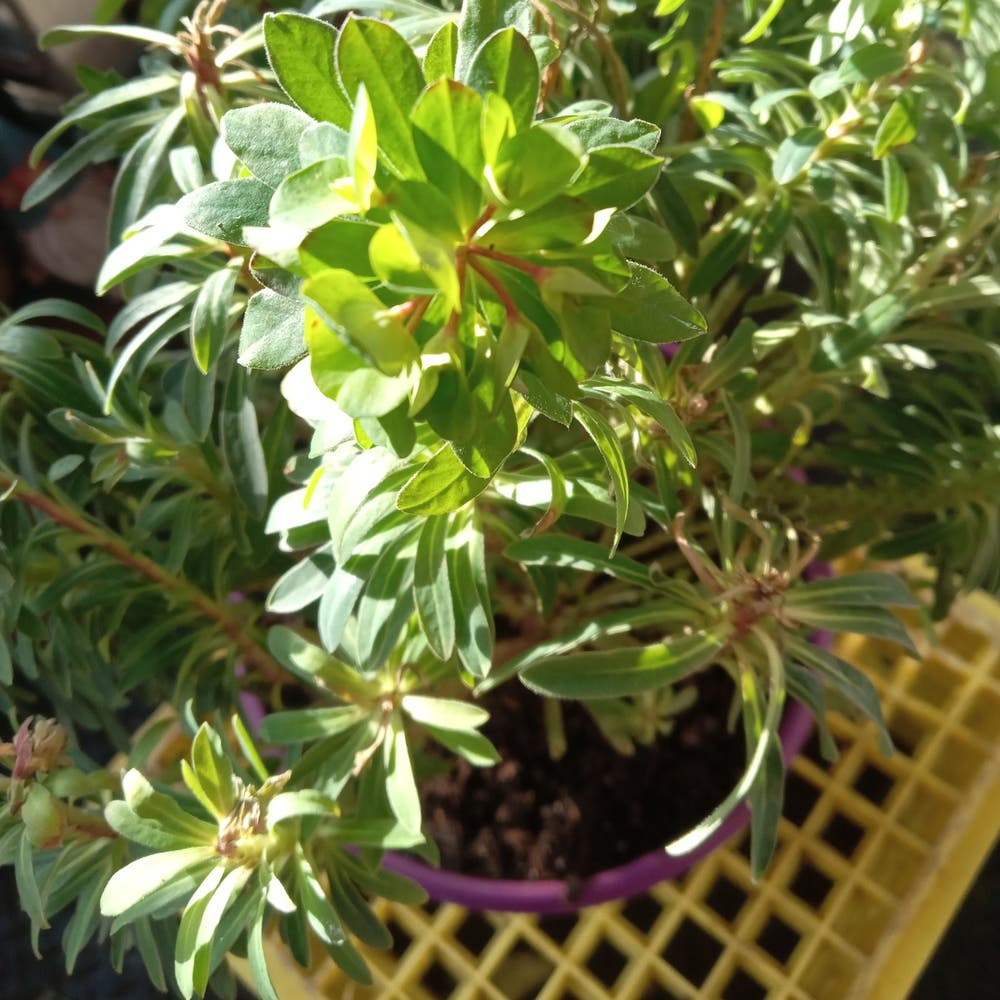
🌞 Is Direct Sunlight Good for My Albanian Spurge?
Euphorbia characias
By the Greg Editorial Team
Jun 18, 2024•4 min read
This article was created with the help of AI so we can cover more plants for you. May contain errors. See one? Report it here.
Learn how to shield your Albanian Spurge from harsh sun 🌞 while basking it in the perfect light for lush growth. 🌿
- 🌞 Direct sunlight harms, but indirect sunlight benefits Albanian Spurge.
- East-facing windows are best for gentle light; south-facing for abundant light.
- Adjust care seasonally: Use shades in summer, move closer to light in winter.
Sunlight and the Spurge: A Love-Hate Relationship?
🌞 Defining Direct Sunlight for the Spurge
Direct sunlight is no lounge chair for your Albanian Spurge; it's more like a hot seat. This plant doesn't appreciate the full force of the sun's rays beating down on it. Direct sunlight means the sun's beams are unfiltered, hitting the leaves full throttle. In contrast, indirect sunlight is the sun's gentler cousin, providing brightness without the burn.
🌞 Albanian Spurge's Sunlight Preferences
The Albanian Spurge has a complex relationship with the sun. It doesn't exactly throw a beach party in full sunlight, but it doesn't hide in the cave of shade either. Bright, indirect light is the sweet spot, where this plant can photosynthesize happily without the risk of turning its leaves into crispy critters. If your Spurge starts looking more fried than a beachgoer without sunscreen, it's time to dial back on the direct rays.

Positioning Your Plant: A Window of Opportunity
🌞 The Direction Dilemma: Where to Place Your Spurge
North, south, east, or west: these aren't just directions on a compass; they're the potential homes for your Albanian Spurge. East-facing windows dish out a morning special of gentle rays, perfect for a Spurge's subtle wake-up call. West-facing ones? They're the afternoon drama queens, blasting intense light that might just be too much for your leafy pal. North-facing windows are the cool kids, offering a consistent, but modest light buffet. And if you're in the Northern Hemisphere, a south-facing window is the VIP section, showering your Spurge with all the sunlight it can handle. Flip that if you're chilling in the Southern Hemisphere—north-facing is where the party's at.
🌍 Hemisphere Highlights: Sunlight from Different Angles
Your global address isn't just for postcards; it's a key player in your Spurge's suntanning routine. If you're up north of the equator, a south-facing window is your Spurge's best friend, offering a generous dose of Vitamin D. Down south? It's all about the north-facing windows. But don't get too comfy—seasons change, and so does the sun's mood. Keep an eye on your Spurge as the sun's angle shifts with the seasons, and be ready to shuffle your plant around for that perfect light exposure. It's like a game of musical chairs, except the prize is a happy, healthy Spurge.

Seasonal Sun Strategies for Spurge Success
🌞 Summer Sun vs. Winter Woes
Adjusting care with the changing angle of the sun is crucial for your Albanian Spurge. In summer, the sun's intensity can be overwhelming, so it's wise to offer some shade during peak hours. Conversely, winter's weak sunbeams necessitate a closer proximity to windows to soak up every possible ray.
🌅 Light-Adjusting Tips for Year-Round Radiance
Curtains and shades are your allies in the quest for the perfect light. Sheer curtains can diffuse harsh summer sunlight, while retracting them in winter compensates for the lower light levels. Remember, your Spurge's well-being hinges on your vigilance and willingness to make seasonal adjustments.

When the Sun is Too Much: Protecting Your Spurge
⛱️ Recognizing Signs of Sun Stress
Sunburnt leaves on your Albanian Spurge are like red flags at a lifeguard station—time to take action. Look for faded, crispy edges or full-on crispy leaves. These symptoms scream "too much sun!" and demand immediate attention.
🌴 Quick Fixes for Sun-Struck Spurges
When your Spurge gets too toasty, it's time for some shade therapy. Move it away from the sun's harsh spotlight to a cooler, dimmer location. Think of it as putting your plant in the VIP lounge away from the paparazzi flashes. If you're caught in a bind, rig up a temporary sunscreen with a sheer curtain or a DIY shade cloth. It's like giving your plant a pair of stylish sunglasses. Keep an eye on the watering too; sun-stressed plants might need a drink to recover from their day in the desert sun.
⚠️ Safety First
This content is for general information and may contain errors, omissions, or outdated details. It is not medical, veterinary advice, or an endorsement of therapeutic claims.
Always consult a qualified healthcare professional before using any plant as food, medicine, or supplement.
Never eat any plant (or feed one to pets) without confirming its identity with at least two trusted sources.
If you suspect poisoning, call Poison Control (800) 222-1222, the Pet Poison Helpline (800) 213-6680, or your local emergency service immediately.
Spotted an error? Please report it here.
Ensure your Albanian Spurge thrives in the ideal light 🌿 by letting Greg guide you to the best spot and seasonal care adjustments!