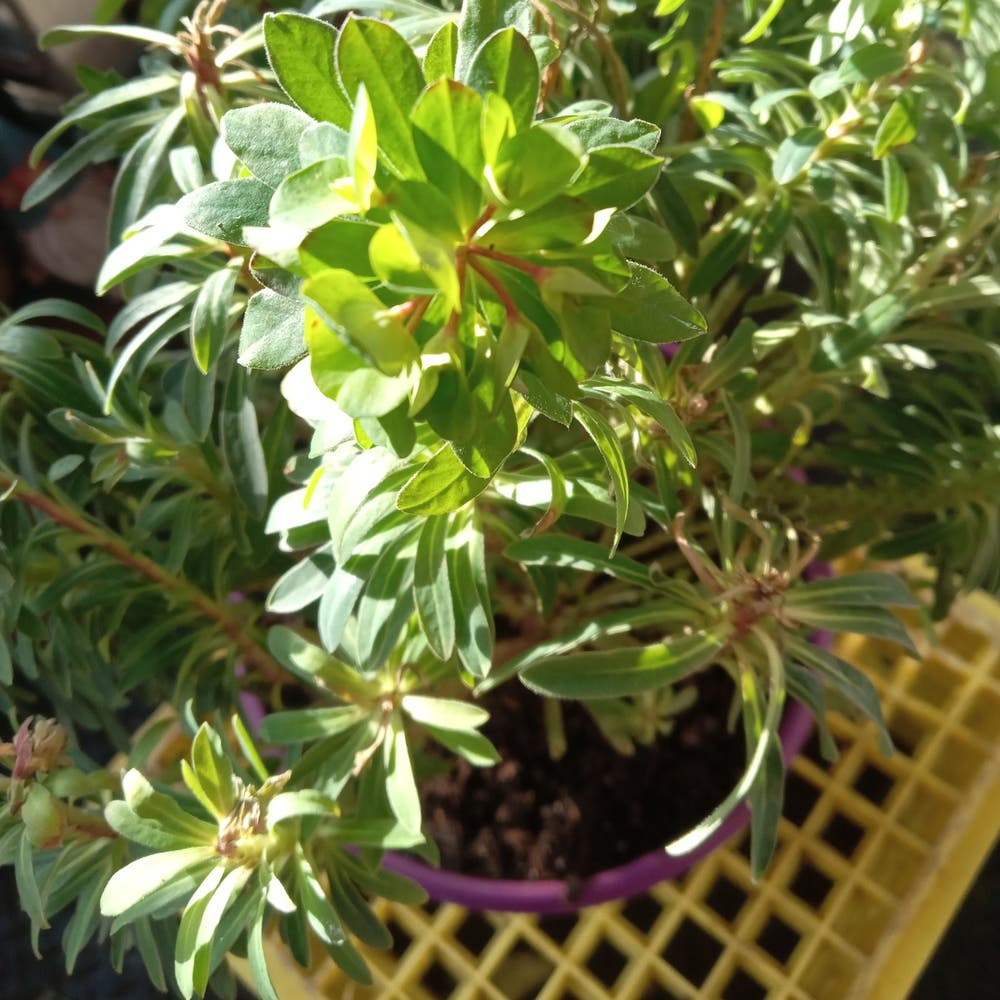
Best Soil for Albanian Spurge
Euphorbia characias
By the Greg Editorial Team
Jun 18, 2024•3 min read
This article was created with the help of AI so we can cover more plants for you. May contain errors. See one? Report it here.
Discover the secret to a flourishing Albanian Spurge 🌿 with this definitive soil mix guide!
- Mold and waterlogging? Adjust water, airflow, and light.
- Perfect soil mix: Potting soil, perlite, coarse sand, peat moss.
- Store-bought tip: Look for drainage, moisture retention, and organic options.
Spotting and Fixing Soil No-Nos
🕵️♂️ Catching the Culprits: Signs of Unhealthy Soil
Moldy mayhem: Spot it as a fuzzy or slimy gatecrasher. It's not just an eyesore; it's a nutrient bandit. Cut back on water and let the light in to combat this unwelcome guest. If it's stubborn, repot with fresh, sterile soil and keep it on the dry side.
Waterlogged woes: Droopy, yellow leaves are your plant's distress signal. Overly wet soil is like a wet blanket at a party—no fun for roots. Check your watering habits and ensure your pot's drainage is up to snuff. If roots are damaged, it's time for some delicate surgery—snip the soggy bits.
💊 Soil CPR: Reviving Unhealthy Soil
Mold mitigation maneuvers: If mold's taken hold, reduce watering, increase airflow, and introduce some sunshine. Persistent mold calls for a repotting intervention with a drier, sterile mix.
Aeration tactics: Compacted soil is a no-go. It's like expecting your plant to breathe in a closet. Loosen up the soil with a fork or add perlite to get the air flowing. Remember, roots need their space too.

Crafting the Perfect Soil Mix from Scratch
🌱 The Building Blocks of Blissful Soil
Creating the ideal soil mix for your Albanian Spurge means understanding its unique needs. Start with a base of potting soil; this is where your plant will get most of its nutrients. Perlite is the next addition, ensuring the mix remains light and airy. Coarse sand or grit is crucial for that extra drainage, preventing any water-logged disasters. Lastly, peat moss steps in as the moisture maestro, keeping the soil damp but not drenched.
🌧 Balancing act: Moisture retention vs. drainage
It's a delicate dance between holding moisture and avoiding a soggy mess. The right mix allows roots to hydrate without drowning. Aim for a blend that feels moist to the touch but crumbles away easily—no clumps allowed.
🌿 Mixing It Up: Your DIY Guide
- Measure out 3 parts potting soil to establish a nutrient-rich foundation.
- Add 1 part perlite for breathability; think of it as the mix's lungs.
- Incorporate 1 part coarse sand to keep things flowing smoothly.
- Mix in 1 part peat moss to retain just enough moisture.
- Combine everything thoroughly—no shortcuts here, it's like crafting a fine cocktail.
- Test the consistency; it should feel like a firm handshake, not a squishy hug.
Remember, the goal is to create a home for your Albanian Spurge that mimics its natural environment while catering to its comfort.

The Scoop on Store-Bought Mixes
🌱 Selecting the Right Pre-Made Mix
When it's time to choose a commercial soil mix for your Albanian Spurge, the label is your treasure map. Look for a mix that boasts good drainage and moisture retention, akin to the homemade blend of perlite, peat moss, and coarse sand.
Avoid mixes that are too dense or heavy; your Spurge's roots crave a light and airy environment. Organic options are the acoustic versions of soil mixes—often purer and better for your plant's growth.
🌵 Top Picks for Albanian Spurge-Ready Mixes
Not all store-bought mixes are created equal. Some are like one-hit wonders, while others are timeless classics. For a no-fuss option, consider mixes that are specifically formulated for succulents or cacti, as they tend to have the right balance of ingredients.
If you're in a pinch, a well-reviewed all-purpose indoor plant mix can be a good starting point. Just ensure it doesn't retain too much water, as this could lead to root rot.
Remember, the right soil mix is crucial for the health and happiness of your Albanian Spurge. Don't skimp on quality—your green friend is counting on you.

⚠️ Safety First
This content is for general information and may contain errors, omissions, or outdated details. It is not medical, veterinary advice, or an endorsement of therapeutic claims.
Always consult a qualified healthcare professional before using any plant as food, medicine, or supplement.
Never eat any plant (or feed one to pets) without confirming its identity with at least two trusted sources.
If you suspect poisoning, call Poison Control (800) 222-1222, the Pet Poison Helpline (800) 213-6680, or your local emergency service immediately.
Spotted an error? Please report it here.
Craft the perfect soil for your Albanian Spurge and grow 🌱 confidently with Greg's personalized care plans, ensuring your green friend always has what it needs.