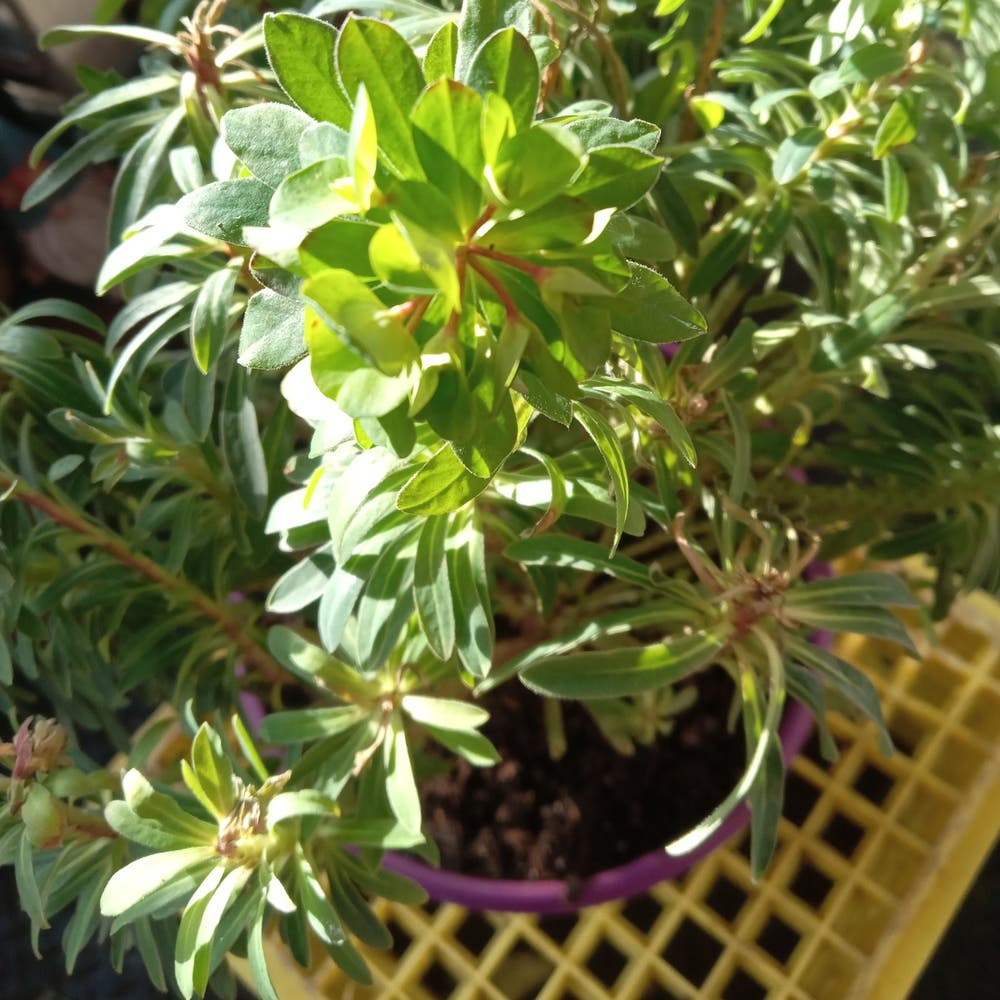
What Are The Bugs on My Albanian Spurge?
Euphorbia characias
By the Greg Editorial Team
Jun 18, 2024•5 min read
This article was created with the help of AI so we can cover more plants for you. May contain errors. See one? Report it here.
Banish bugs 🐛 from your Albanian Spurge and safeguard its lush beauty with these proven tips! 🌿
- Spider mites and scale leave distinct signs like webbing and sticky residue.
- Combat pests with neem oil, alcohol, or increase humidity and cleanliness.
- Prevent infestations by inspecting new plants and maintaining a healthy environment.
Meet the Unwanted Guests: Common Pests on Albanian Spurge
🕷️ Spider Mites: The Sneaky Sap-Suckers
Tiny, but troublesome, spider mites can turn your Albanian Spurge into their personal juice bar. Webbing and speckled leaves are their calling cards.
🛡️ Fight Back
Combat these pests with a neem oil spray or by cranking up the humidity. They despise moisture as much as cats despise water.
🚪 Keep Them Away
Prevention is simple: inspect regularly and keep your plant clean. A dust-free Spurge is a spider mite-free Spurge.
⚖️ Scale: The Sticky Freeloaders
Scale insects are masters of disguise, masquerading as harmless bumps on your plant's skin. Sticky honeydew is a telltale sign of their sap-sucking spree.
🛠 Show Them the Door
Manual removal with a soft brush or a cotton swab dipped in rubbing alcohol can send them packing. For the stubborn ones, insecticidal soap is your ally.
🚫 Don't Let Them Settle
Prevent their return by applying neem oil or insecticidal soap routinely. Vigilance is your best defense.
🦟 Fungus Gnats and Fruit Flies: The Soil Lurkers
These tiny fliers are more annoying than a buzzing mosquito at bedtime. Clouds of them take flight when you disturb the soil.
✂️ Nip it in the Bud
Soil drenches can drown their dreams, and sticky traps turn their flight into a one-way trip. Brutal, but effective.
💧 Dry Them Out
Overwatering is an open invitation. Keep the soil on the drier side to avoid throwing a fungus gnat house party.
🐛 Mealybugs: The Fluffy White Menace
Mealybugs leave a cottony residue on your plant like dandruff on a black shirt. They're not just unsightly; they're sap-sucking parasites.
🚫 Eradicate the Infestation
Alcohol wipes can clean up their act, while oil sprays ensure they don't make a comeback. Persistence is key.
🛑 Quarantine and Inspect
New plants should be kept away from your collection until you're sure they're bug-free. Regular inspections save you from future headaches.

When Prevention Fails: Effective Remedies
🛡️ The Arsenal Against Pests
When your Albanian Spurge becomes a bug banquet, don't panic. Start with the gentle stuff – neem oil and insecticidal soap are your go-to bouncers, tough on pests but kind to your plant. For a more hands-on approach, rubbing alcohol can be a mealybug nightmare. Just dab it on with a cotton swab.
🚀 Going Nuclear: Chemical Warfare
If you're losing the battle, it might be time to bring out the big guns. Systemic insecticides are the plant world's equivalent of a tactical strike. Use them sparingly and with precision, following the label like it's a treasure map to a pest-free Xanadu.
🏡 The DIY Route
For those who prefer a less invasive approach, homemade remedies can be surprisingly effective. A concoction of water and dish soap can work wonders against a range of invaders. Just remember, consistency is key with these gentler methods.
💡 Knowledge is Power
Still scratching your head? Tap into local Cooperative Extension Services or plant forums. These folks are like the Sherlock Holmes of horticulture, ready to help you identify the culprits and plot your counterattack.
🛡️ Integrated Pest Management (IPM)
Think of IPM as your strategic war room. It's not just about reacting; it's about creating a multi-layered defense strategy. Combine cultural practices, biological controls, and chemical interventions for a robust offense.
🌍 Real Talk: No Magic Bullet
Let's be real: pests can be stubborn, and there's no one-size-fits-all solution. Rotate your methods to prevent resistance, and keep a log to track what's working. And remember, the best offense is a good defense – so start with prevention and only escalate when necessary.
🌱 Environmental Impact: Think Global, Act Local
Every drop of pesticide has a ripple effect. To avoid turning your garden into a toxic wasteland, always read labels and follow instructions. Think of it as doing your bit for the planet while saving your plants.

Creating a Fortress: Preventative Measures
🛡️ Building a Bug-Resistant Environment
Sunlight and airflow are your plant's best friends, acting as natural deterrents to pests. Position your Albanian Spurge to maximize these elements, ensuring it's not just surviving, but thriving in a well-ventilated space with plenty of light. Proper drainage is non-negotiable; soggy soil is an open invitation to unwanted guests.
🕵️ Regular Checks and Balances
Incorporate regular inspections into your routine. Think of it as a health check-up for your plant; catching problems early can save you a lot of trouble down the line. When watering, rotate your plant to promote even growth and inspect from all angles—pests love to hide where you least expect them.
👩🌾 Cultural Control Methods
Use waterproof saucers to manage moisture levels effectively. If you're using fungicides or neem oil, apply them strategically; it's about defense, not overkill. Introduce new plants to your collection cautiously, ensuring they're healthy and pest-free before they mingle with your existing greenery.
🚧 Quarantine New Additions
When new plants enter your space, quarantine them. It's like a bouncer checking IDs at the door—no uninvited pests allowed. This step is crucial in maintaining the health of your entire plant collection.
💪 Proactive Pest Prevention Strategies
Remember, the best offense is a good defense. Adjust your care routines with the seasons, and be extra vigilant when changes occur. Keeping your Albanian Spurge in peak condition is the key to keeping pests at bay.

⚠️ Safety First
This content is for general information and may contain errors, omissions, or outdated details. It is not medical, veterinary advice, or an endorsement of therapeutic claims.
Always consult a qualified healthcare professional before using any plant as food, medicine, or supplement.
Never eat any plant (or feed one to pets) without confirming its identity with at least two trusted sources.
If you suspect poisoning, call Poison Control (800) 222-1222, the Pet Poison Helpline (800) 213-6680, or your local emergency service immediately.
Spotted an error? Please report it here.