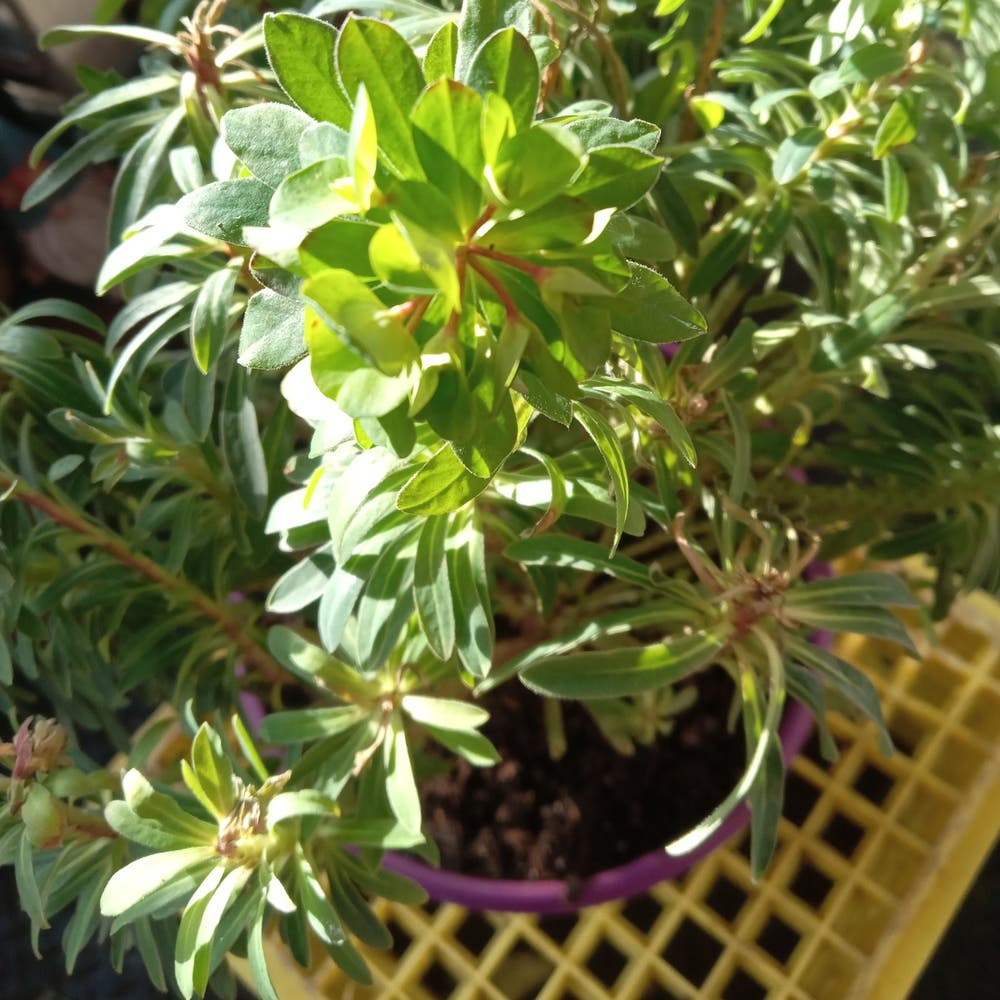
Step-by-Step Guide to Treating Root Rot in Spurge 💧
Euphorbia characias
By the Greg Editorial Team
Jan 07, 2025•4 min read
This article was created with the help of AI so we can cover more plants for you. May contain errors. See one? Report it here.
Rescue your spurge from root rot 🌱 and ensure its vibrant health with these essential treatment and prevention tips!
- 🌱 Remove the plant carefully to treat root rot without causing further damage.
- ✂️ Trim black, mushy roots and rinse healthy ones to promote recovery.
- 🌿 Use well-draining soil and pots to prevent future root rot issues.
Treating Root Rot
Step-by-step treatment process 🌱
Treating root rot in your spurge begins with removing the plant from its pot. Gently loosen the soil around the roots to avoid causing further damage.
Next, inspect the roots carefully. Identify any black, mushy roots and cut them away using clean pruning shears. This step is crucial for the plant's recovery.
Once you've trimmed the affected roots, clean the remaining healthy roots. Rinse them with water to remove any lingering soil and pathogens that could hinder recovery.
Now, prepare a new potting mix. Opt for well-draining soil that is suitable for succulents, as this will help prevent future issues.
Finally, repot the plant in a new pot with fresh soil. Ensure that the plant is placed at the proper depth to promote healthy growth.
Tools and materials needed for treatment 🛠️
To effectively treat root rot, gather the following tools and materials:
- Clean pruning shears: Essential for cutting away affected roots.
- New potting soil: Choose a well-draining mix designed for succulents or cacti.
- Pot with drainage holes: This is crucial for preventing future root rot.
- Watering can: Use it for controlled watering after repotting.
How to repot with root rot 🌿
When repotting a plant affected by root rot, start by choosing the right pot size. Aim for a pot that is 1-2 inches larger than the previous one to allow for growth.
Ensure proper drainage by adding gravel or perlite to the bottom of the pot. This will enhance aeration and prevent water accumulation.
After repotting, lightly water the plant to settle the soil. Be cautious not to overwater, as this can lead to further complications.
With these steps, you can effectively treat root rot and give your spurge a chance to thrive again. Next, let’s explore how to prevent root rot from occurring in the first place.
Preventing Root Rot
🌊 Best watering practices
To keep your spurge healthy, it's crucial to master your watering routine. Allow the soil to dry out completely between waterings to prevent excess moisture that can lead to root rot.
Check the soil moisture levels regularly. You can do this by sticking your fingers into the soil or using a moisture meter to gauge when it's time to water again.
🧱 Importance of soil drainage
Choosing the right soil mix is essential for preventing root rot. Opt for a blend designed specifically for succulents, as it provides the drainage your plant needs.
Consider adding drainage materials like perlite or sand to enhance aeration. This will help keep the roots dry and healthy, reducing the risk of rot.
🪴 Choosing the right pot
When selecting a pot, size matters. Choose one that allows for growth but isn't excessively large, as too much soil can retain moisture.
Material also plays a role in root health. Terracotta or ceramic pots are excellent choices because they allow for breathability, helping to prevent water accumulation.
Lastly, ensure your pot has adequate drainage holes. This simple feature is vital for allowing excess water to escape, keeping your spurge thriving.
By following these preventive measures, you can significantly reduce the risk of root rot and enjoy a healthy, vibrant spurge. Next, let’s explore how to monitor your plant's recovery after treatment.
Post-Treatment Care
Monitoring Plant Recovery 🌱
After treating root rot, it's crucial to keep a close eye on your plant's recovery. Regular checks will help you observe new growth and assess overall health.
Adjust your care routine as needed. Modifying watering and light conditions can significantly impact your plant's recovery process.
Signs of Improvement 🌿
Look for new leaf growth as a positive indicator of recovery from root rot. This fresh growth signals that your plant is bouncing back.
You should also notice improved color. A return to vibrant green from yellowing leaves is a great sign of health.
Finally, inspect the roots. Healthy, firm roots indicate that your plant is on the mend and thriving.
Long-Term Care Tips to Prevent Recurrence 🛡️
Establish a consistent watering schedule tailored to seasonal needs. This routine helps maintain optimal moisture levels in the soil.
Don't forget about soil health. Refreshing the soil every couple of years can prevent issues like root rot from returning.
Regular inspections are key. Check for signs of stress or disease to catch any problems early and keep your plant thriving.
By following these steps, you can ensure your spurge remains healthy and vibrant for years to come.
⚠️ Safety First
This content is for general information and may contain errors, omissions, or outdated details. It is not medical, veterinary advice, or an endorsement of therapeutic claims.
Always consult a qualified healthcare professional before using any plant as food, medicine, or supplement.
Never eat any plant (or feed one to pets) without confirming its identity with at least two trusted sources.
If you suspect poisoning, call Poison Control (800) 222-1222, the Pet Poison Helpline (800) 213-6680, or your local emergency service immediately.
Spotted an error? Please report it here.
Revive your spurge and keep it thriving 🌿 with Greg's tailored watering alerts and moisture tracking, ensuring it stays healthy and root-rot-free!