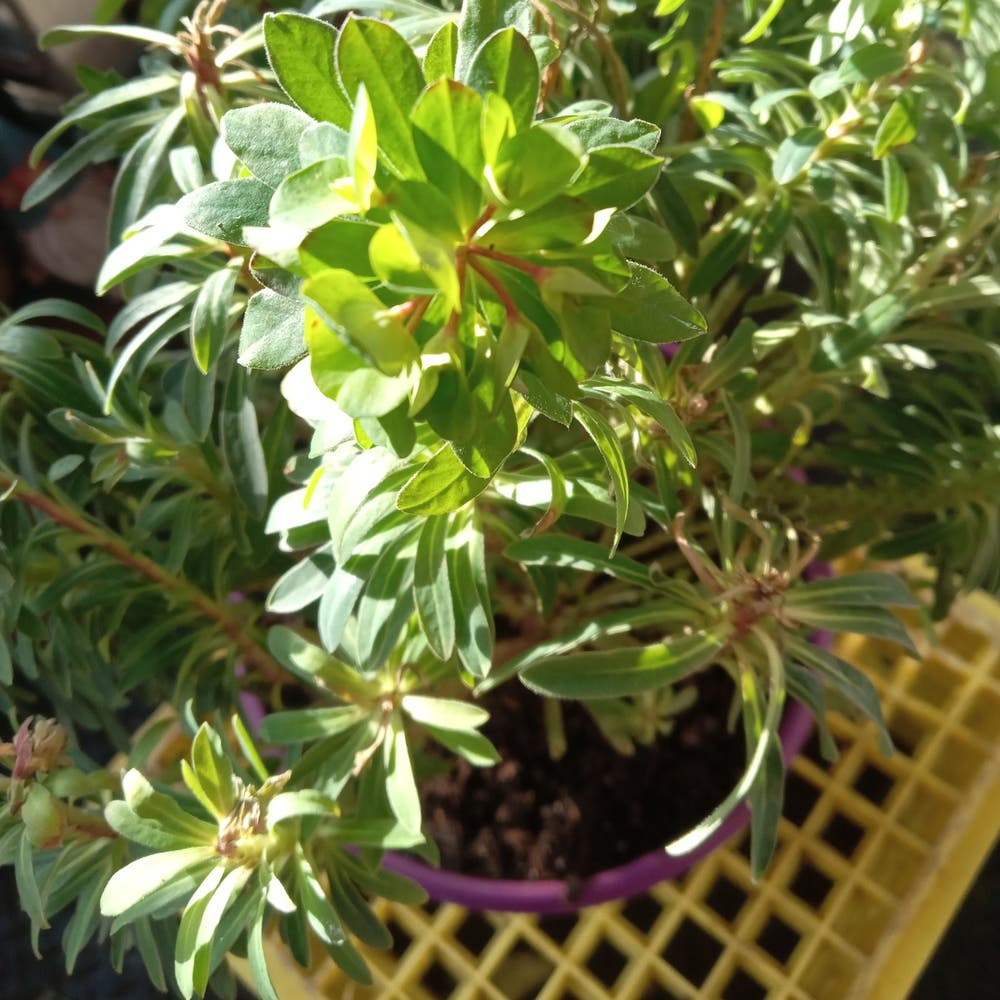
How Much Humidity Does My Albanian Spurge Need?
Euphorbia characias
By the Greg Editorial Team
Jun 18, 2024•3 min read
This article was created with the help of AI so we can cover more plants for you. May contain errors. See one? Report it here.
Ensure your Albanian Spurge flourishes 🌿 by mastering its ideal humidity needs with our guide.
- Humidity is key for Albanian Spurge's health and growth.
- Use hygrometers to measure and group plants to raise humidity.
- Monitor and adjust humidity with seasons and plant cues.
Hitting the Sweet Spot: Ideal Humidity for Albanian Spurge
💦 Why Humidity Matters to Your Spurge
Humidity is the invisible lifeline for the Albanian Spurge, dictating its health and growth. It's not just about quenching thirst; it's about providing a moisture-rich breath of air. Temperature swings? They're the puppeteers of humidity, pulling strings to make the air hold more or less moisture.
🌡️ Figuring Out Your Home's Humidity
Hygrometers are your new best friends, silently sitting by your Spurge, giving you the lowdown on the air's moisture content. Compare these numbers to the Albanian Spurge's native climes, and you've got a roadmap to humidity bliss.

When the Air's Too Dry: Boosting Humidity for Your Spurge
🌴 Creating a Tropical Haven
In the quest for humidity, think of your Albanian Spurge as a social butterfly. Grouping plants together isn't just for aesthetics; it's a strategic move. Each plant exhales moisture, creating a communal sauna effect. It's a win-win: your Spurge gets its humidity fix, and you get a lush indoor garden.
Humidifiers and pebble trays are the one-two punch in your arsenal against dry air. A humidifier can be a game-changer, especially during those parched winter months. Meanwhile, a pebble tray is the low-tech hero. Just water, pebbles, and a dish – simplicity that works.
🌫️ The Mist-ery of Misting
Misting your Albanian Spurge might seem like a quick fix, but it's more of a temporary relief. Sure, a spritz here and there can perk up the leaves, but it's not a humidity panacea. Over-misting is like throwing a drink in someone's face – shocking and unwelcome. Use misting as a supplement, not a solution.

When It's a Rainforest in Your Living Room: Reducing Humidity
💨 Clear the Air
Ventilation is your first line of defense against excessive humidity. Cracking a window or running an exhaust fan, especially in steam-prone areas like kitchens and bathrooms, can work wonders. It's the old-school approach, but don't knock it—it's effective.
💧 Watering Wisdom
Overwatering is the silent over-humidifier. Your Albanian Spurge doesn't need to swim; it just needs a drink. Let the soil dry out a bit between waterings. It's a balancing act—too much water and you're on a slippery slope to Root Rot Ravine.

Keeping Tabs on Your Spurge's Humidity Happiness
🌡️ Regular Check-ins
Monitoring humidity should be as routine as checking your social media feed. For the Albanian Spurge, it's crucial to check humidity levels at least once a week, or more frequently during seasonal transitions.
Hygrometers aren't just fancy gadgets; they're your plant's best friend. Keep one handy to ensure you're not flying blind when it comes to your Spurge's comfort.
🌬️ Adjusting Your Strategies with the Seasons
Seasonal shifts are like uninvited guests at your Spurge's dinner party—they can really throw things off balance. When summer's heat cranks up the evaporation rate, your plant might need a humidity boost.
Come winter, your cozy indoor heating could turn your home into a desert. This is when you might need to introduce a humidifier or group your plants to create a mini oasis.
Remember, your Spurge won't send you a text when it's unhappy. Keep an eye out for leaf changes—they're the best indicators that it's time to tweak the humidity.
⚠️ Safety First
This content is for general information and may contain errors, omissions, or outdated details. It is not medical, veterinary advice, or an endorsement of therapeutic claims.
Always consult a qualified healthcare professional before using any plant as food, medicine, or supplement.
Never eat any plant (or feed one to pets) without confirming its identity with at least two trusted sources.
If you suspect poisoning, call Poison Control (800) 222-1222, the Pet Poison Helpline (800) 213-6680, or your local emergency service immediately.
Spotted an error? Please report it here.
Ensure your Albanian Spurge thrives with optimal humidity 🌬️ by leveraging Greg's tailored environment tracking and care advice.