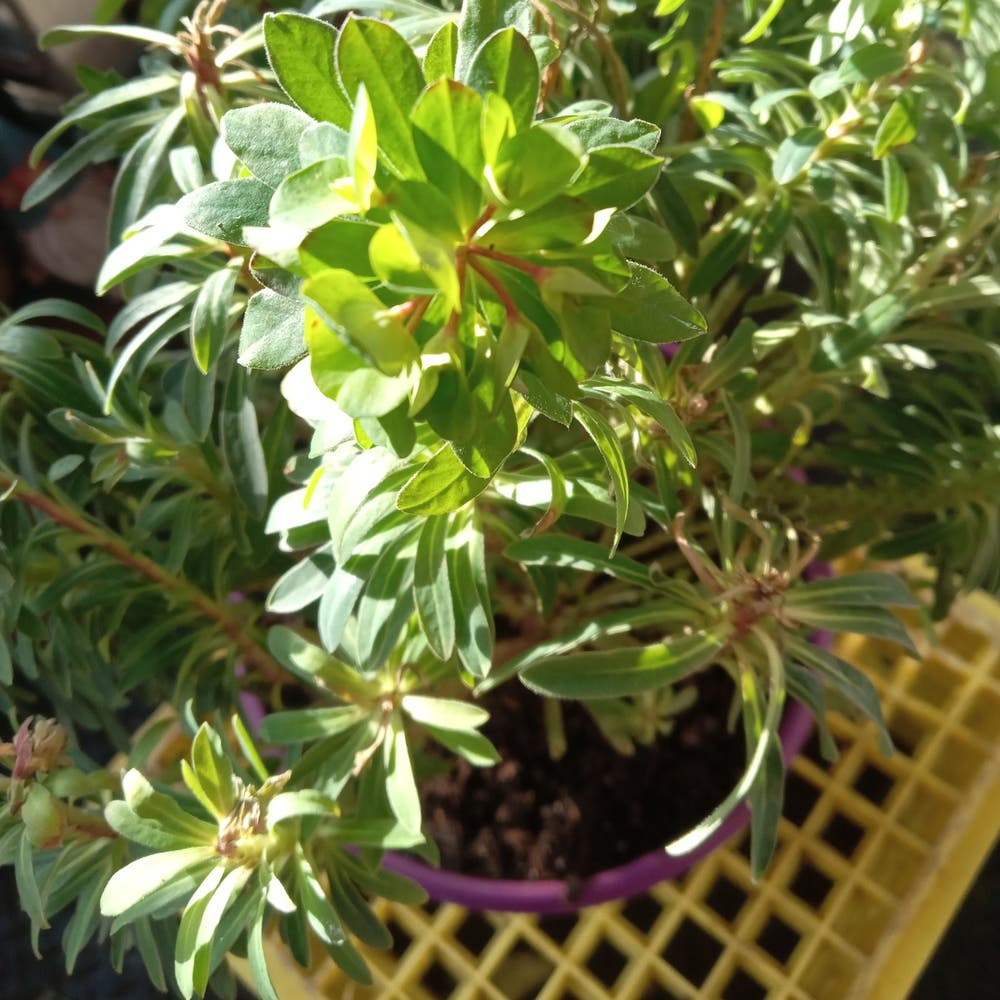
☀️ 8 Tips for Light Requirements for Your Spurge
Euphorbia characias
By the Greg Editorial Team
Jan 07, 2025•4 min read
This article was created with the help of AI so we can cover more plants for you. May contain errors. See one? Report it here.
Master your spurge's light needs 🌞 for vibrant growth and stunning blooms all year round! 🌱
- 🌞 Spurge thrives in bright indirect light for 6-8 hours daily; adjust for seasons.
- 🪴 Ideal placement is near south or west-facing windows to avoid leaf scorch.
- 💡 Grow lights can supplement natural light, ensuring optimal growth and flowering.
Indoor Light Requirements
Optimal Conditions 🌞
For your spurge to thrive, it needs bright indirect light for about 6-8 hours daily. During peak growth seasons, aim for 12-14 hours of light to keep your plant healthy and vibrant.
Placement Tips 🪴
The best spots for your spurge are near south or west-facing windows. Just be cautious—direct sunlight can scorch those delicate leaves, so find a balance.
Adjusting for Seasonal Changes ❄️
As winter approaches, you may need to modify your plant's light exposure. Consider using sheer curtains to diffuse harsh sunlight and protect your spurge from the intense rays that can sneak through.
By keeping these light requirements in mind, you'll set your spurge up for success, ensuring it remains healthy and flourishing throughout the year. Next, let’s explore the outdoor light conditions that can also benefit your spurge.
Outdoor Light Conditions
Ideal Sunlight Exposure 🌞
For your Spurge to thrive outdoors, it’s crucial to understand its light preferences. Most species enjoy full sun to partial shade, so you’ll need to assess your garden's conditions.
Aim for 6-8 hours of direct sunlight daily. This duration is key to promoting healthy growth and vibrant foliage.
Soil and Environmental Considerations 🌱
The right soil is just as important as sunlight. Ensure you have well-draining soil to prevent root rot and other moisture-related issues.
Additionally, keep an eye on temperature and humidity levels. These factors can significantly impact your Spurge's overall health and growth rate.
By monitoring these environmental conditions, you can create an optimal setting for your plants to flourish.
With the right light and soil, your Spurge will be well on its way to thriving outdoors. Next, let’s explore how light affects flowering in these fascinating plants.
Effects of Light on Flowering
Light Conditions and Flower Production 🌼
Light intensity plays a crucial role in how your spurge flowers. Adequate light not only boosts the quantity of blooms but also enhances their quality, making them more vibrant and healthy.
Different species within the Euphorbia genus have specific light requirements. Understanding these needs can help you create the perfect environment for your flowering spurge.
Timing and Duration for Flowering ⏰
During the flowering season, your spurge thrives on 12-14 hours of light each day. This duration is essential for maximizing flower production and ensuring your plants reach their full potential.
As seasons change, adjusting light exposure can further enhance flowering. Be mindful of how natural light shifts throughout the year to keep your spurge blooming beautifully.
Using Grow Lights
🌟 Benefits of Grow Lights
Grow lights are a game-changer when natural light falls short. If your Spurge isn't getting enough sunlight, it's time to consider these artificial options.
LED and fluorescent grow lights are the most suitable choices for Spurge. LEDs are energy-efficient and long-lasting, while fluorescent lights are budget-friendly and effective for smaller setups.
⚙️ Setup and Usage Tips
To maximize the benefits of grow lights, proper setup is crucial.
- Positioning grow lights: Place them 12-24 inches above your plant to ensure optimal light distribution.
- Recommended light duration: Aim for 12-14 hours of light daily to mimic natural conditions.
- Monitoring plant response: Keep an eye on your Spurge's growth and adjust the light as needed.
Using grow lights can significantly enhance your plant's health and vitality. With the right setup, your Spurge will thrive, even in low-light conditions.
Transitioning to the next topic, understanding common light-related issues can help you maintain your plant's health and prevent potential setbacks.
Common Light-Related Issues
Signs of Insufficient Light 🌑
When your spurge isn't getting enough light, it will show clear signs. Look out for leggy growth, pale leaves, and reduced flowering.
To remedy this, adjust the light exposure by moving your plant closer to a light source or changing its placement. Ensuring it receives bright indirect light for 6-8 hours daily can make a significant difference.
Signs of Excessive Light ☀️
On the flip side, too much light can be just as harmful. Symptoms of excessive light include leaf scorch, browning edges, and wilting.
If you notice these signs, consider relocating your plant to a shadier spot or using sheer curtains to diffuse the harsh sunlight. This will help protect your spurge from damage while still allowing it to thrive.
Troubleshooting Light Problems 🔍
Regular assessment of light conditions is crucial for maintaining plant health. Keep an eye on how your spurge responds to its environment.
Adjust your care practices based on seasonal changes and growth patterns. This proactive approach will help you keep your spurge healthy and vibrant throughout the year.
With the right light conditions, your spurge will flourish, leading us to explore how light influences flowering in the next section.
⚠️ Safety First
This content is for general information and may contain errors, omissions, or outdated details. It is not medical, veterinary advice, or an endorsement of therapeutic claims.
Always consult a qualified healthcare professional before using any plant as food, medicine, or supplement.
Never eat any plant (or feed one to pets) without confirming its identity with at least two trusted sources.
If you suspect poisoning, call Poison Control (800) 222-1222, the Pet Poison Helpline (800) 213-6680, or your local emergency service immediately.
Spotted an error? Please report it here.
Keep your spurge thriving and blooming 🌼 by using Greg's tailored light assessments and reminders to ensure it gets the perfect amount of sunlight!