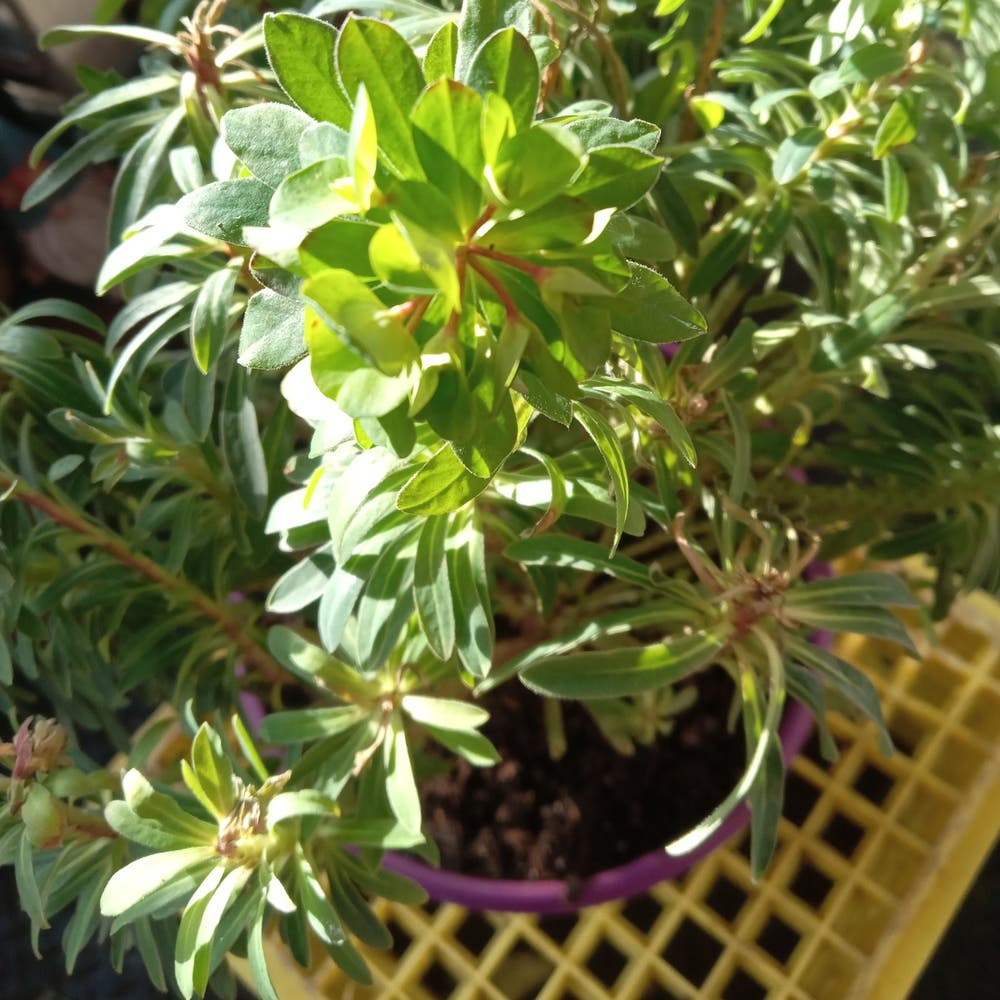
How to Fix Brown Spots on Your Spurge 🩹
Euphorbia characias
By the Greg Editorial Team
Jan 07, 2025•5 min read
This article was created with the help of AI so we can cover more plants for you. May contain errors. See one? Report it here.
Transform your spurge's brown spots into vibrant growth 🌱 with essential diagnosis and treatment tips for thriving plants!
- 🌱 Brown spots on spurge arise from pests, diseases, or environmental stress.
- 💧 Adjust watering and improve soil drainage to prevent brown spots effectively.
- 🔍 Regular monitoring and early detection are crucial for maintaining spurge health.
Diagnosing the Problem
🌍 Environmental Factors Leading to Brown Spots
Brown spots on your spurge can often be traced back to environmental factors.
Soil Conditions
Poor drainage or compacted soil can severely affect root health. If your spurge is sitting in waterlogged soil, it may struggle to absorb nutrients, leading to unsightly brown spots.
Temperature Extremes
High heat or frost damage can also cause stress. Spurge is sensitive to temperature fluctuations, and extreme conditions can lead to leaf discoloration.
Humidity Levels
Low humidity is another culprit, causing leaves to desiccate. If your indoor environment is too dry, your spurge may show signs of stress through browning leaves.
🐛 Pests That Cause Brown Spots
Pests can wreak havoc on your spurge, leading to those dreaded brown spots.
Aphids
These tiny insects leave behind a sticky residue and can cause leaves to curl. If you notice these signs, it's time to take action.
Spider Mites
Look for fine webbing and stippled leaf surfaces. These pests thrive in dry conditions and can quickly damage your plant.
Mealybugs
Identifiable by their cotton-like masses on stems and leaf joints, mealybugs can be particularly troublesome. They suck sap from the plant, leading to further stress and browning.
🦠 Diseases Associated with Brown Spots
Sometimes, brown spots are a sign of disease rather than environmental stress or pests.
Fungal Infections
Fungal issues like powdery mildew and leaf spot diseases can cause significant damage. These infections often thrive in humid conditions, so keep an eye on your spurge.
Bacterial Infections
Symptoms of wilting and brown lesions indicate bacterial infections. These can spread quickly, so early detection is crucial.
Viral Infections
Viral infections can lead to distorted growth and color changes. If your spurge is showing unusual patterns, it may be time to investigate further.
Understanding these factors is essential for diagnosing the problem effectively. By identifying the root cause, you can take the necessary steps to restore your spurge to its vibrant self. Next, let’s explore treatment options to tackle these issues head-on.
Treatment Options
Step-by-step guide to treating brown spots 🌱
Treating brown spots on your spurge requires a systematic approach. Start by assessing your watering habits; adjust the frequency based on the moisture level of the soil.
Next, improve drainage. If your soil is compacted or retains too much water, consider repotting your spurge in well-draining soil to enhance root health.
After that, remove affected leaves. Pruning these leaves helps prevent the spread of any potential disease.
Finally, apply appropriate treatments. Use fungicides for fungal issues or insecticides for pest infestations as needed to restore your plant's health.
Recommended products for treating brown spots 🛒
When it comes to products, choosing the right ones can make all the difference. For fungal diseases, look for effective fungicides like Fungicide A or Fungicide B.
For pest control, consider insecticides such as Insecticide X or Insecticide Y. These products are known for their efficacy against common pests that affect spurge.
Additionally, don't overlook soil amendments. Using balanced fertilizers can help address any nutrient deficiencies that may contribute to the brown spots.
By following these steps and utilizing the right products, you can effectively treat brown spots and promote healthier growth in your spurge. Next, let’s explore how to prevent future issues to keep your plant thriving.
Preventing Future Issues
🌱 Best Practices for Spurge Care to Prevent Brown Spots
Keeping your Spurge healthy is key to preventing those pesky brown spots. Regular monitoring is essential; check your plants weekly for any signs of stress or pests.
💧 Watering Techniques
Proper watering techniques can make a world of difference. Water deeply but infrequently to encourage strong root growth and prevent over-saturation.
🌿 Fertilization Schedule
A balanced fertilization schedule is also crucial. During the growing season, use a balanced fertilizer to ensure your Spurge gets the nutrients it needs to thrive.
By implementing these best practices, you can keep your Spurge vibrant and healthy, minimizing the risk of brown spots. Next, let’s explore some common misconceptions about these discolorations.
Common Misconceptions
Myths about brown spots on Spurge 🌱
Myth: All brown spots indicate disease.
Many plant owners panic at the sight of brown spots, assuming the worst. However, these discolorations can often stem from environmental stress or improper watering rather than a disease.
Myth: Spurge does not need much care.
It's easy to think that Spurge is a low-maintenance plant. In reality, regular monitoring and care are crucial for keeping your Spurge healthy and vibrant.
Understanding these misconceptions can empower you to take better care of your plants. By recognizing the signs of stress and addressing them promptly, you can maintain the health of your Spurge and prevent further issues.
Next, let’s explore when it’s time to seek professional help for your Spurge.
When to Seek Professional Help
🚩 Signs that indicate a serious problem
If you notice rapid leaf drop, it’s time to take action. This can signal severe stress or an underlying disease affecting your spurge.
Another red flag is extensive discoloration. If the browning spreads beyond just a few leaves, it may indicate a more serious issue that needs addressing.
Lastly, keep an eye out for persistent pest issues. If you’re dealing with repeated infestations despite treatment efforts, it’s a clear sign that professional help may be necessary.
Recognizing these signs early can save your spurge and help maintain its health. Don’t hesitate to consult a gardening expert if you encounter these problems.
⚠️ Safety First
This content is for general information and may contain errors, omissions, or outdated details. It is not medical, veterinary advice, or an endorsement of therapeutic claims.
Always consult a qualified healthcare professional before using any plant as food, medicine, or supplement.
Never eat any plant (or feed one to pets) without confirming its identity with at least two trusted sources.
If you suspect poisoning, call Poison Control (800) 222-1222, the Pet Poison Helpline (800) 213-6680, or your local emergency service immediately.
Spotted an error? Please report it here.
Revive your spurge from brown spots and keep it thriving 🌱 with Greg's tailored care reminders and pest alerts that ensure your plant stays healthy and vibrant!