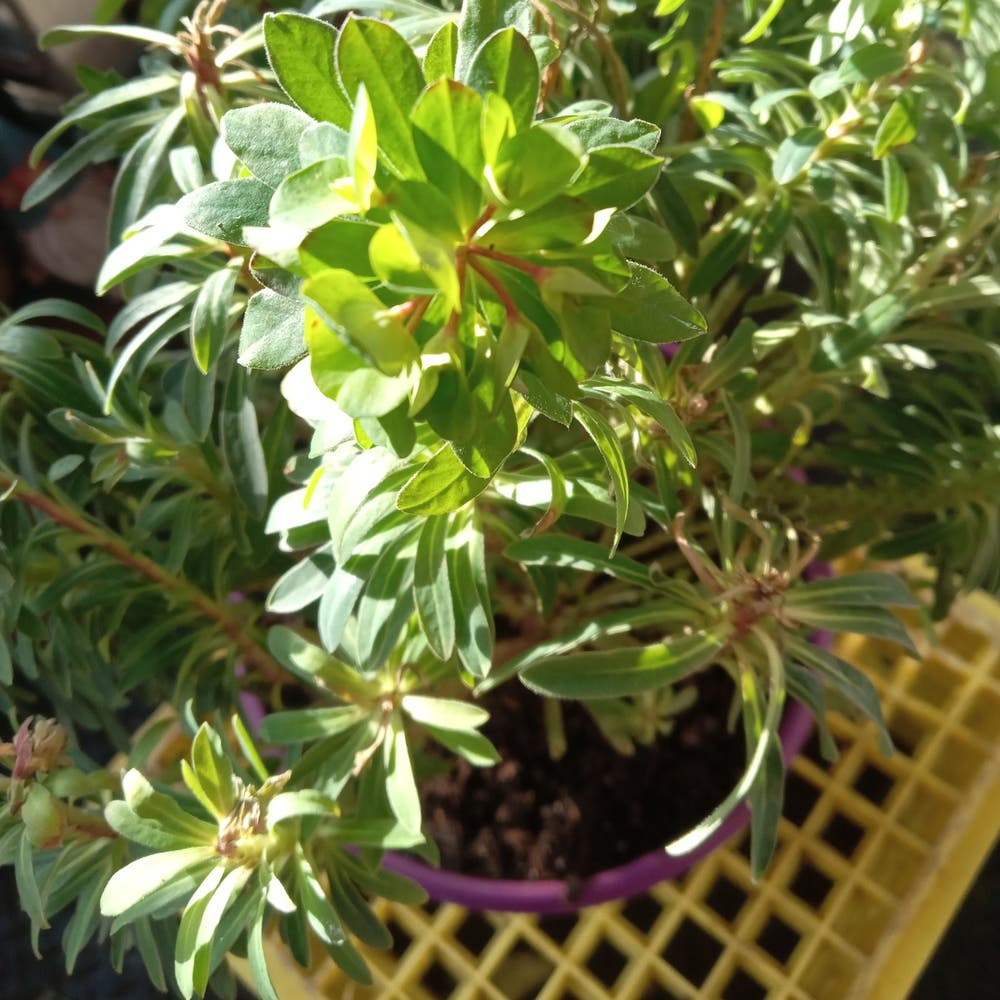
9 Tips for Pruning Spurge ✂️
Euphorbia characias
By the Greg Editorial Team
Jan 07, 2025•5 min read
This article was created with the help of AI so we can cover more plants for you. May contain errors. See one? Report it here.
Transform your spurge 🌱 into a thriving garden centerpiece with expert pruning tips for every season!
- 🌱 Prune spurge in spring for rejuvenation and healthy growth.
- 🍂 Fall pruning prepares spurge for dormancy and minimizes winter damage.
- 🔍 Signs of needed pruning include leggy growth, overcrowding, and pest issues.
When to Prune Spurge
Best Seasons for Pruning Spurge 🌱
Spring is the prime time for pruning spurge. This season is perfect for rejuvenation and shaping, allowing the plant to bounce back with vigor.
Fall pruning is equally important. It prepares spurge for dormancy and helps reduce potential winter damage, ensuring a healthier plant come spring.
Signs That Spurge Needs Pruning ✂️
Look for indicators of overgrowth, such as a leggy appearance or crowded growth. These signs suggest that your spurge is ready for a trim.
Additionally, keep an eye out for signs of disease. Discoloration, wilting, or pest infestations can signal that your plant needs immediate attention.
Timing Considerations Based on Specific Spurge Varieties ⏰
Different spurge species have unique pruning needs. For instance, Euphorbia milii benefits from early spring pruning to promote healthy growth.
Also, consider local climate conditions when planning your pruning schedule. Adjusting your timing based on weather patterns can significantly impact your spurge's health and appearance.
With these guidelines, you can ensure your spurge thrives throughout the seasons. Next, let’s explore how to effectively prune spurge for optimal results.
How to Prune Spurge
Step-by-Step Guide to Pruning Spurge 🌱
Pruning spurge is essential for maintaining its health and appearance. Start by assessing the plant to identify areas that need attention.
Next, focus on the right branches to prune. Look for dead, diseased, or leggy growth that detracts from the plant's vitality.
Techniques for Cutting ✂️
When it comes to cutting, the ansoilmatters. Make your cuts at a 45-degree angle to promote optimal healiavoid overwatering the depth of your cuts as well. Avoid cutting into healthy wood to ensure the plant continues to tspurge
Tips for Maintaining Shape and Size During Prudisease
Maintaining the shape of your spurge is crucial. Thinning out crowded areas will allow for better air circulation and light penetration.
Regular trimming is key to preventing overgrowth. This practice helps keep your spurge looking neat and manageable.
Importance of Symmetry in Pruning ⚖️
Don't underestimate the power of symmetry. Pruning with an eye for balance enhances the aesthetic appeal of your spurge, making it a standout in your growth.
By following these steps and tips, you can ensure your spurge remspurgeealthy and visually appealing. Next, let’s explore the art of deadheading spurge to encourage new growth.
Common Problems and Solutions
Identifying Common Issues That May Require Pruning 🌱
Pests can wreak havoc on your spurge plants. Aphids and mealybugs are commonWeatherts that sap the plant's vitality, leading to stunted growth and a weakened structure.
Diseases like root rot and powdery mildew also podiseaseificant threats. Watch for signs such as yellowing leaves or a white, powderTemperaturen the foliage, which indicate that your spurge needs immediate attention.
Solutions for Problems That Arise Post-Pruning 🛠️
After pruning, your spurge may experience stress. To help it recover, ensure proper watering and care, allowing the plant to bounce back stronger.
Regular inspections are crucial for monitoringremoving any deades. diseased branchesye on your plants can help you catch any issues early, preventing further damage.
Preventative Measures to Avoid Future Issues 🚫
Maintaining soil quality is essential for healthy spurge. Use well-draining soil and avoid overwatering to keep your plants thriving.
Timely pruning is anospurgeey strategy. By regularly trimming your spurge, you can prevent overgrowth and reduce the risk of disease, ensuring your plants remain vibrant and healthy.
With these insights, you can tackle common problems effectively, keeping your spurge in top shape. Next, let’s explore how seasonal changes can influence your pruning decisions.
Seasonal Considerations for Pruning
🌱 How Seasonal Changes Affect Pruning Decisions
Understanding how seasonal changes impact your spurge is crucial for effective pruning. Adjust your techniques based on the growth patterns observed throughout the year.
During the growing season, spurge tends to flourish, making it an ideal time for shaping and rejuvenation. Conversely, recognizing dormancy periods allows you to avoid unnecessary stress on the plant, ensuring it remains healthy and vibrant.
☔️ Adjusting Pruning Techniques Based on Weather Conditions
Weather conditions play a significant role in how you approach pruning. For instance, pruning during wet seasons can lead to increased risk of disease, while dry conditions may necessitate more careful watering post-pruning.
Temperature also affects pruning effectiveness. Warmer days can encourage faster healing, while colder temperatures may slow down recovery, so timing your pruning accordingly is essential.
🌼 Preparing Spurge for Seasonal Growth Cycles Through Pruning
Preparing your spurge for the upcoming spring growth cycle is vital. Focus on removing any dead or diseased branches in late winter to promote new growth.
Fall pruning is equally important as it helps your spurge prepare for winter. This practice not only reduces the risk of winter damage but also sets the stage for a vigorous spring revival.
By considering these seasonal factors, you can ensure your spurge thrives throughout the year. Now, let’s delve into the specifics of how to prune spurge effectively.
⚠️ Safety First
This content is for general information and may contain errors, omissions, or outdated details. It is not medical, veterinary advice, or an endorsement of therapeutic claims.
Always consult a qualified healthcare professional before using any plant as food, medicine, or supplement.
Never eat any plant (or feed one to pets) without confirming its identity with at least two trusted sources.
If you suspect poisoning, call Poison Control (800) 222-1222, the Pet Poison Helpline (800) 213-6680, or your local emergency service immediately.
Spotted an error? Please report it here.
Transform your spurge into a vibrant masterpiece 🌱 by using Greg's tailored pruning reminders and care tips to keep your plants healthy and thriving all year round!