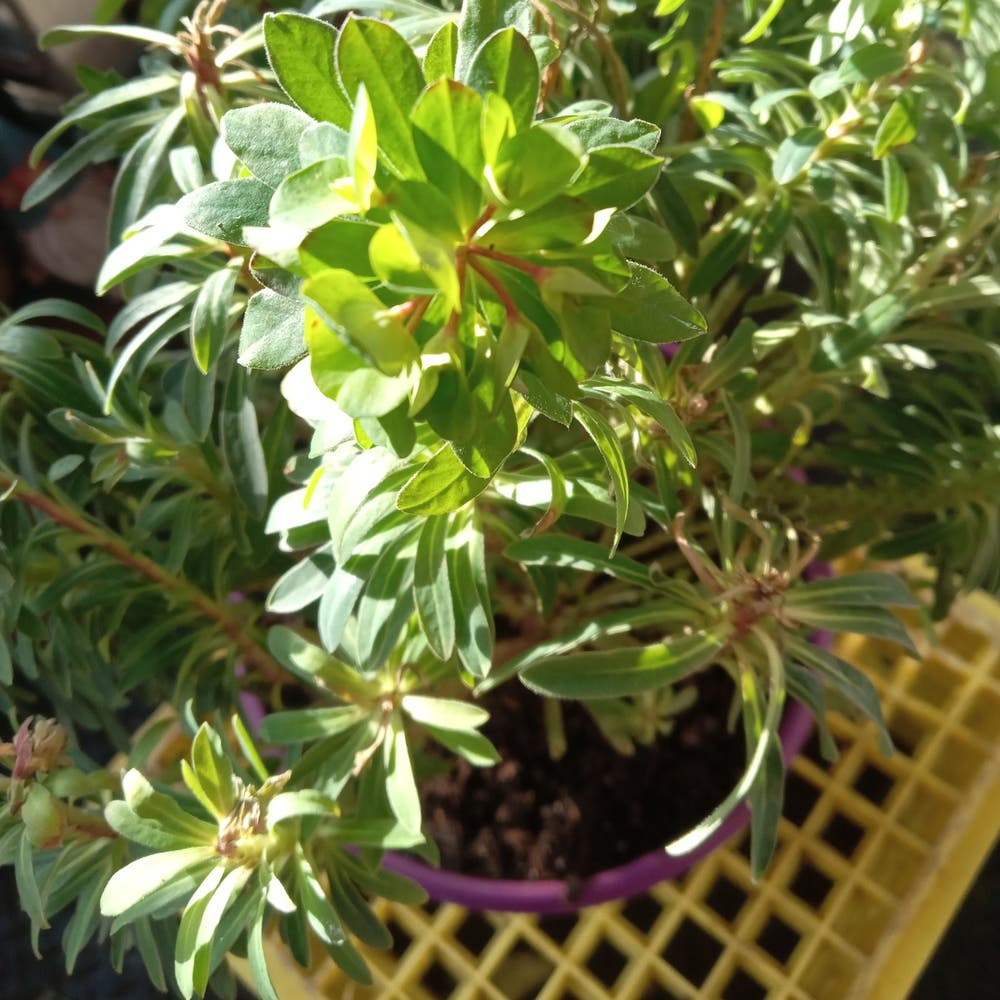
Should I Repot My Albanian Spurge And If So, How?
Euphorbia characias
By the Greg Editorial Team
Jun 18, 2024•3 min read
This article was created with the help of AI so we can cover more plants for you. May contain errors. See one? Report it here.
Boost your Spurge's vigor 🌿—discover the pivotal signs and steps for timely repotting!
- Roots circling or poking out? Time to repot your Albanian Spurge.
- 🌱 Repot in spring to match the plant's growth cycle.
- Choose terracotta or ceramic for better drainage and growth.
Spot the Signs: Is It Time to Repot?
🐍 Root Tango in a Tiny Dance Floor
Roots circling the pot like a constrictor snake or poking through drainage holes scream for more space. It's the plant equivalent of a packed elevator—uncomfortable and unsustainable.
🐌 Sluggish Growth: More Than Just a Lazy Plant
When your Albanian Spurge's growth slows to a snail's pace, it's not just being lazy. It's likely cramped, signaling a need for a roomier home to stretch its roots.
🚰 Water Woes: When Drainage Spells Trouble
If watering your plant feels like pouring liquid down a drain, and the soil dries out faster than your phone on a video call, it's not quirky—it's a red flag. Poor drainage can lead to a swampy situation, and nobody wants a root rot soundtrack.

Choosing the Right Season for the Big Move
🌱 Spring Forward: The Best Time to Repot
Spring is the prime time for repotting your Albanian Spurge. This season aligns with the plant's natural growth spurt, making it the ideal time to give your green friend a fresh start. The mild temperatures and increasing daylight encourage recovery and growth, reducing the stress on the plant.
Plant Cycles and Your Calendar
To ensure your Albanian Spurge thrives, sync your repotting with its growth cycle. Typically, this means late winter to early spring, just as the plant shakes off dormancy and gears up for action. It's like catching the first wave; your plant is ready to ride the growth tide with vigor. Avoid the extremes of summer and winter, where heat stress or cold dormancy can hinder the transition.

The Repotting Rodeo: A Step-by-Step Guide
🌱 Prepping the New Home
Selecting the right soil is crucial; it's like choosing a mattress for your spine. For your Albanian Spurge, a well-draining mix is the ticket to root health. Grab a new pot—one size up from the old one—and ensure it has a drainage hole to avoid soggy disasters. Line the bottom with a coffee filter to prevent soil jailbreaks.
🌿 The Gentle Uproot
Time to liberate your plant. Don’t yank—that’s a no-go. Tilt the pot, talk sweetly, and encourage the plant out. If it’s stubborn, a chopstick can be your peace ambassador to the roots. Be gentle; you’re a plant whisperer, not a root wrestler.
🌷 Settling In: Planting in the New Pot
Now, place your plant in the center of its new abode, ensuring it's not too deep or shallow—like Goldilocks, you want it just right. Backfill with soil, tamping down lightly to remove air pockets. Water thoroughly to help it settle in, but don’t drown it. Hold off on the fertilizer; let the plant acclimate to its new digs first.

Picking the Perfect Pot
🌱 Material Matters: Drainage and Durability
Terracotta pots are the MVPs for your Albanian Spurge, thanks to their porous nature that prevents waterlogging. They're like a breathable fabric for roots, offering a balance between retaining moisture and drying out. Ceramic pots are also a good call, especially with unglazed interiors for better moisture moderation. Plastic pots, while lightweight and forgiving, can be a slippery slope towards root rot if overwatered.
📏 Size It Up: Finding the Right Fit
When it comes to size, think snug but not straitjacket. A pot that's 1-2 inches wider than the previous one is your bullseye. Oversized pots can lead to soggy soil conditions that your plant's roots won't thank you for. It's a dance between giving them room to grow and not drowning them in too much space.
⚠️ Safety First
This content is for general information and may contain errors, omissions, or outdated details. It is not medical, veterinary advice, or an endorsement of therapeutic claims.
Always consult a qualified healthcare professional before using any plant as food, medicine, or supplement.
Never eat any plant (or feed one to pets) without confirming its identity with at least two trusted sources.
If you suspect poisoning, call Poison Control (800) 222-1222, the Pet Poison Helpline (800) 213-6680, or your local emergency service immediately.
Spotted an error? Please report it here.
Repot your Albanian Spurge like a pro 🌿 with Greg's timely seasonal reminders and bespoke soil mix advice for a flourishing plant.