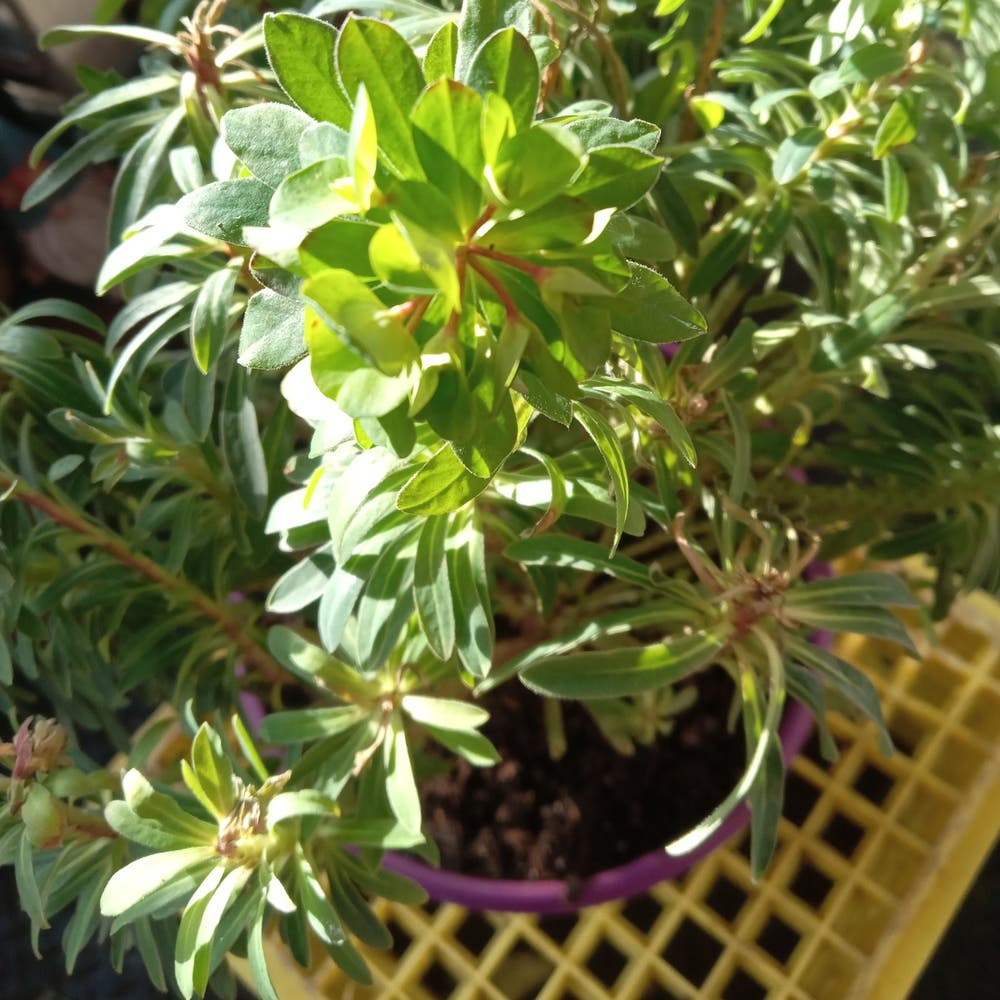
Symbolism and Benefits of the Albanian Spurge
Euphorbia characias
By the Greg Editorial Team
Jun 18, 2024•3 min read
This article was created with the help of AI so we can cover more plants for you. May contain errors. See one? Report it here.
Unveil the Spurge's 🌿 secrets: a symbol of Albanian resilience and a wellspring of healing and beauty.
- Culturally revered, the Spurge symbolizes Albanian folklore, spirituality, and resilience.
- Medicinal and ornamental, it's used in remedies and celebrated for its beauty.
- Economic and ecological pillar, supporting local economies and biodiversity.
Unearthing the Cultural Roots
🌿 The Plant in Albanian Folklore
In the rich tapestry of Albanian folklore, the Spurge is far from a mere background character. Its presence weaves through tales that have been passed down through generations, often symbolizing cleansing and renewal due to its purgative properties. This is no garden-variety storytelling; the Spurge stands as a botanical protagonist in the cultural narrative.
🙏 Spiritual and Religious Ties
Sacred significance clings to the Spurge like dew on its leaves at dawn. In spiritual and religious contexts, it's not just a plant but a vessel for deeper meanings. It's been used in rituals, its sap believed to ward off evil spirits, and its resilience admired as a mirror of the human spirit. The Spurge isn't just growing in the soil—it's rooted in the soul of Albanian heritage.

A Tapestry of Benefits and Symbolism
💊 Medicinal Marvels and Healing Symbolism
The Albanian Spurge is not just a plant; it's a repository of health-giving secrets. Historically, its use in folk remedies has been widespread, offering a natural solution for skin irritations and minor wounds. The plant's sap, while toxic if mishandled, was once a traditional purgative. In Albanian culture, the Spurge's healing properties extend beyond the physical, symbolizing restoration and protection.
🌼 Beauty and Ornamentation
With its striking clusters of chartreuse blooms, the Spurge is a visual treat. Its aesthetic charm is undeniable, and in Albanian tradition, beauty is more than skin deep. Ornamental symbolism is woven into the fabric of society, with the Spurge representing a blend of natural allure and cultural identity.
💪 Resilience and Environmental Adaptability
The Spurge's hardy nature allows it to thrive in challenging environments, mirroring the resilience of the Albanian people. This plant has become a cultural emblem of endurance, its ability to adapt and flourish against the odds an inspiration in local folklore.
🌍 Biodiversity and Ecological Contributions
As a sanctuary for wildlife, the Spurge plays a crucial ecological role. It symbolizes the interconnectedness of nature in Albanian lore, reminding us of the intricate web of life that sustains biodiversity and ecological balance.
💰 Economic and Agricultural Significance
More than just a plant, the Spurge is a pillar in local economies, contributing to agriculture and commerce. It stands as a symbol of sustenance and prosperity, its roots deeply entangled with the notion of growth and abundance in Albanian culture.

Preserving Heritage and Fostering Identity
🌿 The Spurge as a Cultural Beacon: Celebrating Albanian Identity
The Albanian Spurge stands as a testament to the nation's rich heritage. Far from being just a plant, it's a vibrant thread in the fabric of Albanian culture, embodying the spirit and resilience of its people. In ceremonies and daily life, the Spurge is a silent witness to the passage of time, from ancient rituals to contemporary celebrations.
🎉 Rituals, Traditions, and the Living Legacy of the Spurge
In the heart of Albania, the Spurge isn't merely observed; it's an active participant in life's dance. Festivals and home remedies are imbued with its presence, marking it as a cornerstone of community and tradition. It's not just about the plant itself, but how it's woven into the collective memory and identity, nurturing a sense of belonging with every generation that passes.

⚠️ Safety First
This content is for general information and may contain errors, omissions, or outdated details. It is not medical, veterinary advice, or an endorsement of therapeutic claims.
Always consult a qualified healthcare professional before using any plant as food, medicine, or supplement.
Never eat any plant (or feed one to pets) without confirming its identity with at least two trusted sources.
If you suspect poisoning, call Poison Control (800) 222-1222, the Pet Poison Helpline (800) 213-6680, or your local emergency service immediately.
Spotted an error? Please report it here.
Cultivate the Spurge's symbolic resilience 🌿 in your garden with Greg's custom care plans, ensuring it thrives as a testament to your own cultural appreciation.